The Best Time of Day for Ice Fishing, Species by Species
Low-light windows matter most for walleye and crappie, while perch, bluegill and pike are daytime fish. Here is how to plan your hours on the ice.
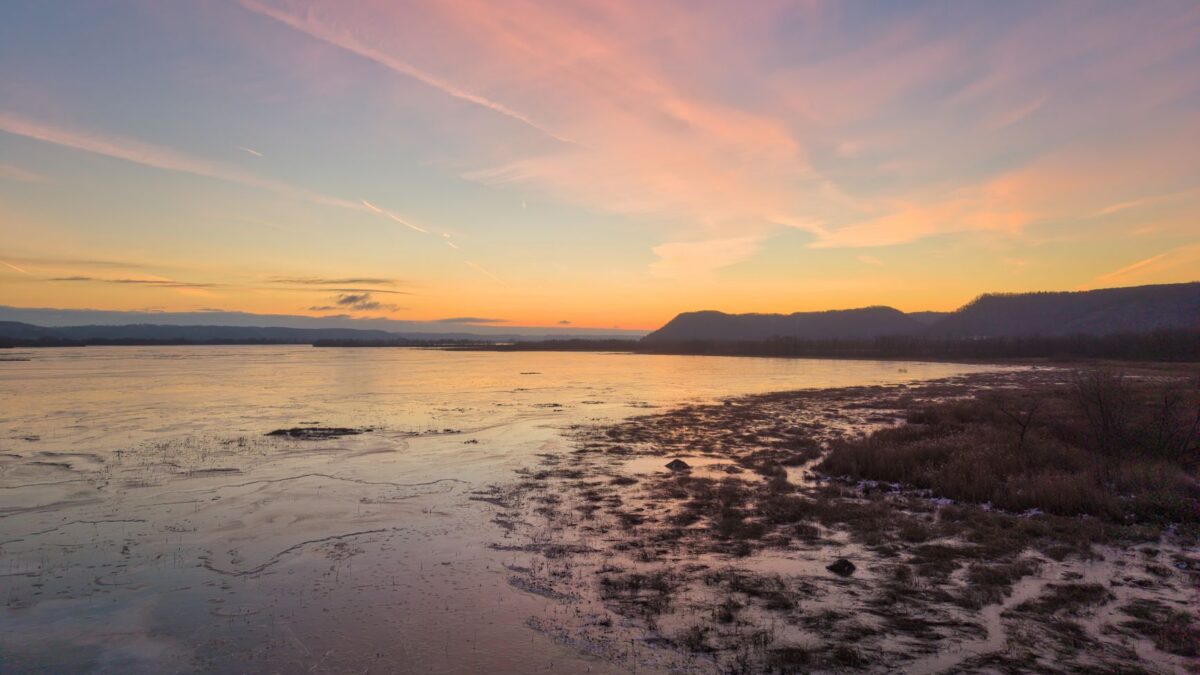
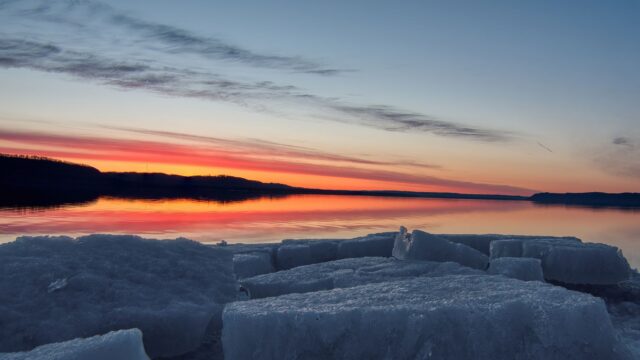
There is no single best time to ice fish; it depends on the species. Walleye and crappie usually bite best in low light, roughly the hour or two around sunrise and especially around sunset and into dark. Yellow perch, bluegill and northern pike are mostly daytime feeders, so mid-morning through mid-afternoon is often fine for them. Season matters too: first ice and late ice tend to be more active than the middle of winter.
Best times by species
These are general patterns, not rules. Lake clarity, depth, snow cover and fishing pressure all shift them.
| Species | Usually best | Why |
|---|---|---|
| Walleye | Dawn, and especially dusk into the first hours of dark | Eyes adapted to low light give them an edge over baitfish |
| Crappie | Late afternoon, dusk and after dark | Schools often rise and feed on plankton and small baitfish as light fades |
| Yellow perch | Morning through afternoon | Sight feeders that tend to go quiet at dark |
| Bluegill and sunfish | Mid-morning to mid-afternoon | Daylight feeders; bites often pick up as light increases |
| Northern pike | Daylight hours, often mid-morning to afternoon | Sight-hunting predators that rely on light |
Why low light matters for walleye and crappie
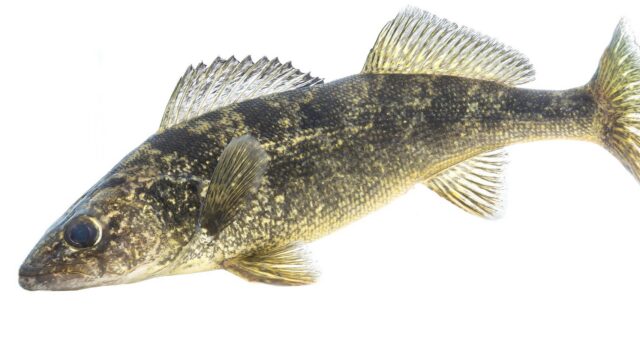
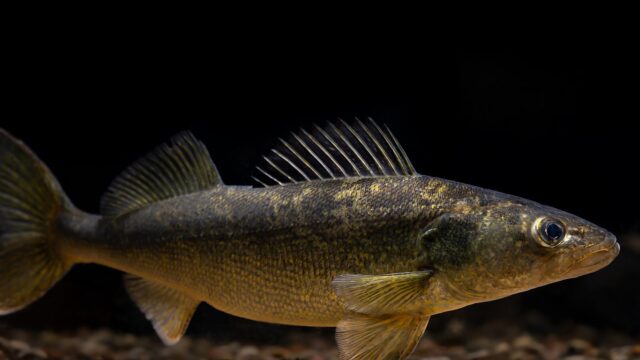
Walleye have a reflective layer in their eyes (the source of their glassy look) that helps them see in dim conditions. When light fades, they can see prey that cannot see them as well, so they often move up onto shallower structure to feed around dusk. That’s why many anglers spend the day on panfish and then switch to walleye for the evening window. The details are in our guide to ice fishing for walleye.
Crappie behave a little differently. They often suspend over deeper water during the day and rise in the water column as evening comes on. A flasher helps you follow them up. See ice fishing for crappie for how to stay on a moving school.
Daytime species: perch, bluegill and pike
Perch and bluegill are some of the most reliable daytime fish under the ice. Perch roam soft-bottom flats in schools; bluegill hang around weed edges. Both bite through the middle of the day, which makes them good targets for families and new anglers. Our perch and bluegill guide covers where and how.
Pike are also daytime hunters. Many anglers set tip-ups in the morning near weed edges and watch flags through the day, then pull them before dark.
How light under the ice changes the bite
The amount of light reaching the water changes a lot through winter:
- Clear ice with no snow lets in a lot of light. Low-light species may bite best only at dawn and dusk, and fish can be spooky in shallow water.
- Snow-covered ice blocks much of the light, so the water below stays dimmer all day. Walleye and crappie may feed for longer periods, and daytime bites in deeper water can improve.
- Cloudy, overcast days often stretch the low-light window as well.
Weather stability matters too. Stable weather tends to produce more consistent bites, while the day after a strong cold front often brings tougher fishing, especially in shallow water.
First ice, midwinter and late ice
The time of season can matter as much as the time of day.
- First ice: Fish are often still near the same weed edges and shallow structure they used in late fall, and they can be active. It is also when ice is least predictable, so check thickness constantly.
- Midwinter: Often slower. Fish may move deeper or roam more, and in some shallow, weedy lakes oxygen can drop in late winter. Short low-light windows become more important.
- Late ice: As days lengthen and melt water flows in, fish often become more active again and move shallower. Ice also weakens quickly, gets honeycombed, and shorelines can open up, so be very cautious.
Whatever the season, follow the Minnesota DNR’s minimum of 4 inches of new, clear ice for walking and remember that ice is never 100% safe. Our ice thickness guide explains how to check it.
Fishing the evening window safely
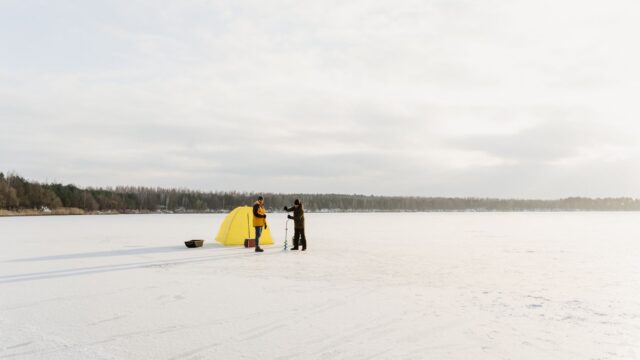
The best walleye and crappie bites often happen as it gets dark, which raises safety issues:
- Set up before the window starts, while you can still see the ice and any cracks or pressure ridges.
- Mark your route and holes with GPS or a phone app so you can find your way back.
- Carry a headlamp plus a spare light, and keep ice picks and a phone on your body.
- Walk back along the same route you came out on. The Minnesota DNR advises against traveling on the ice at night, especially in snow or fog.
Check regulations as well. Seasons, limits and night-fishing rules vary by state and sometimes by lake, and some states close walleye or pike seasons on certain waters before the ice goes out. Check your state wildlife agency’s current rules.
Bottom line
Plan your day around the species: fish perch, bluegill and pike in daylight, then switch to walleye or crappie for the hour or two around sunset and into dark. Expect longer feeding windows under snow cover and on cloudy days, more action at first and late ice, and make every evening trip a safe one.
FAQ
Is morning or evening better for ice fishing?
For walleye and crappie, evening is often the stronger window, with dawn a close second. For perch and bluegill, mid-morning through the afternoon is usually more productive.
Can you catch fish through the ice at night?
Yes, especially crappie and walleye, where night fishing is legal. Set up in daylight, mark your route, carry lights and ice picks, and follow your state’s rules.
Does snow on the ice affect fishing?
Snow cuts down the light reaching the water. That can lengthen feeding windows for low-light species like walleye and crappie, though it can also slow weed growth and oxygen production over a long winter.
When is the best time of the ice season to fish?
First ice and late ice are often the most active periods, with midwinter slower. Both are also when ice is least predictable, so check thickness carefully.