Green Bay Smallmouth of 9 Pounds, 11 Ounces Breaks 76-Year-Old Record
A Wisconsin angler's 9-pound, 11-ounce Green Bay smallmouth broke a state record set in 1950. Here is the lure, the rig and how the DNR confirmed it.
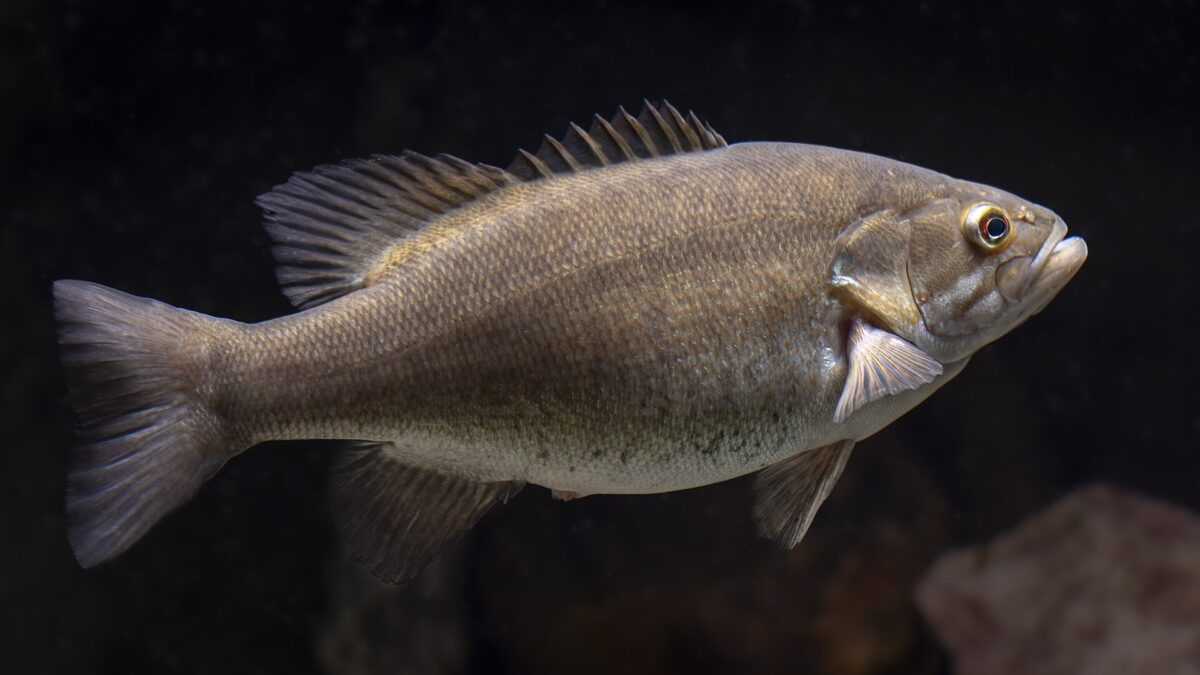
Wisconsin has a new state record smallmouth bass. Austin Schiefer of Menasha caught the fish on Oct. 30 on a reef in Green Bay, the large Wisconsin arm of Lake Michigan, and it weighed 9 pounds, 11 ounces on certified grocery-store scales. The catch beat a record that had stood for 76 years, and Schiefer told Outdoor Life that the state Department of Natural Resources (DNR) has officially recognized it.
How the record bass was caught
Schiefer and his fishing partner, Ted Johnson, launched around 7:30 a.m. and fished a reef in 18 feet of water about two miles from shore. They had caught good smallmouths there before. Both used forward-facing sonar, a live sonar that shows fish in front of the boat in real time, and they were looking for big bass.
Wind in the morning helped the bite. Around midday it went calm, and the bass on the reef turned picky. Johnson kept catching fish on a different soft plastic and told Schiefer to try it with lighter tackle.
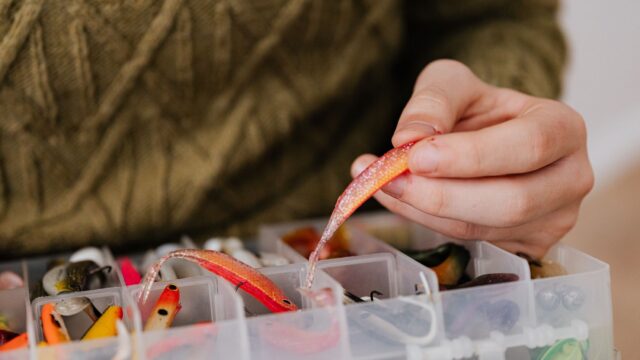
Schiefer switched to a 5-inch Deps Sakamata Shad soft jerkbait in a color called “champagne-pepper,” rigged on a 3/32nd-ounce jighead. He threw it on the lightest 7-foot spinning rod he owns, with 8-pound braided line and a 10-pound fluorocarbon leader. He made long casts and let the lure swing back toward the boat as it sank. Fish on the sonar screen had been rising to look at his baits and turning away at the last second until he made that change.
At about 2 p.m. a fish hit as the lure sank. It pulled deep and rolled for a couple of minutes without jumping, so Schiefer first thought he had a freshwater drum. When it came up to about 10 feet in the clear water, he saw a huge smallmouth. Johnson netted it. The hook was bent when Schiefer removed it.
Making the record official
Schiefer had never caught a smallmouth over 7 pounds, so the pair kept the fish in the livewell and tried to reach the DNR. Nobody was available on the Friday afternoon before Halloween. They stopped fishing and weighed the bass on certified scales at a grocery store, where it also measured 23.75 inches.
The DNR requires state biologists to weigh and examine a record fish. Fisheries staff did that the next day. They found the bass was a male, which is unusual because females are usually the bigger fish. Its stomach was also empty, another surprise in autumn, when bass normally feed heavily ahead of winter. In decimal terms the fish weighed 9.70 pounds.
The old record, a 9-pound, 1-ounce smallmouth, was caught in 1950 by Leon Stefonek on Indian Lake in Oneida County.
Why it matters for anglers
A record that survived since 1950 fell to a fish from the Great Lakes, and the details give other anglers a clear picture of what worked on a tough day: light line, a small jighead, a slim soft jerkbait and a slow, sinking retrieve over deep fish spotted on sonar. Schiefer’s account also shows the cost of chasing a record. Wisconsin’s rules on weighing and inspecting a record fish meant it could not go back alive.
Schiefer said that is his only regret. He told Outdoor Life, “I did everything in my power to keep from killing that bass,” and that the outcome has cost him sleep.
What happens next
Schiefer, who works for UPS and makes his own soft plastics under the name Schief’s Custom Baits, plans a skin mount of the fish. He is also thinking about replica mounts, possibly one for the National Freshwater Fishing Hall of Fame museum in Hayward and one for Bass Pro Shops. No decision on the replicas has been announced.
Source: Outdoor Life