How to Fish Docks for Bass: Where They Hold and How to Reach Them
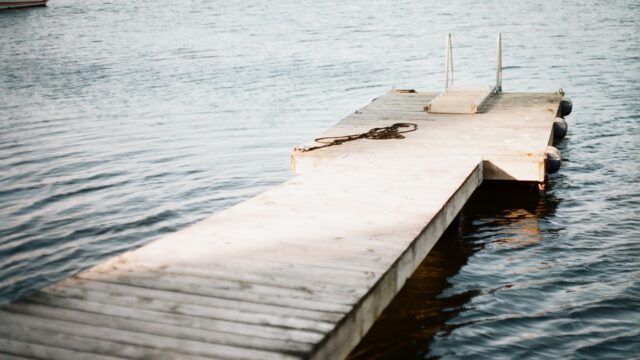
Docks are some of the most dependable bass cover on many lakes. Here is how to pick the right ones, reach the fish underneath and stay on good terms with the owners.
Seasonal patterns and techniques: pre-spawn, spawn and post-spawn, summer heat, fall feeding, night fishing, cold fronts, wind and muddy water.
Docks are some of the most dependable bass cover on many lakes. Here is how to pick the right ones, reach the fish underneath and stay on good terms with the owners.
Winter bass fishing is slow, but it is far from hopeless. Here is where bass spend the cold months in open water and how to tempt them.
Every lake looks like a big, empty sheet of water until you learn to read it. Here is how to use a map and your eyes to narrow it down to the spots that hold bass.
The day after a cold front, with blue skies and a chilly wind, is one of the toughest days in bass fishing. Here is why, and how to adjust.
Spring bass fishing gets easier when you stop watching the calendar and start reading water temperature. Here is where bass go at each stage and what to throw.
Summer bass are predictable once you understand heat, light and oxygen. Here is a simple plan for early morning, midday and evening on hot water.
Early and late are the safe bets, but bass don't read the clock. Here is how the best fishing hours change through the year, and how much the moon really matters.
When summer days turn hot and lakes get crowded, bass often feed after dark. Here is how to fish the night bite effectively, legally and safely.
Water temperature, not the calendar, decides when bass spawn. Here are the typical ranges for each stage, how timing shifts across the country and how to spot beds.
Fall bass fishing can be feast or famine. The key is finding the baitfish, moving fast until you do, and knowing what turnover does to a lake.
We use analytics cookies to see which articles are read. No ads cookies. Privacy policy