First Ice Fishing: When Early Ice Is Safe and How to Fish It Carefully
Learn how thick clear ice needs to be, how to check it as you go, where fish sit at first ice and how to fish early ice with a safety-first routine.
Ice safety, augers, shelters, flashers and tip-ups, plus how and when to catch panfish, walleye, perch and pike through the ice.
Learn how thick clear ice needs to be, how to check it as you go, where fish sit at first ice and how to fish early ice with a safety-first routine.
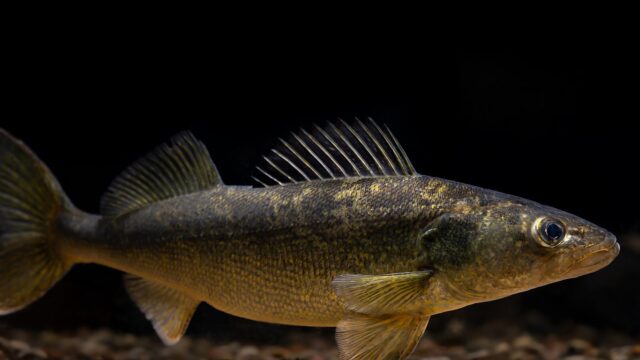
Walleye under the ice follow structure and light. Fish edges and humps at dusk and dawn with a jigging spoon or rattle bait, plus a minnow on a second line.
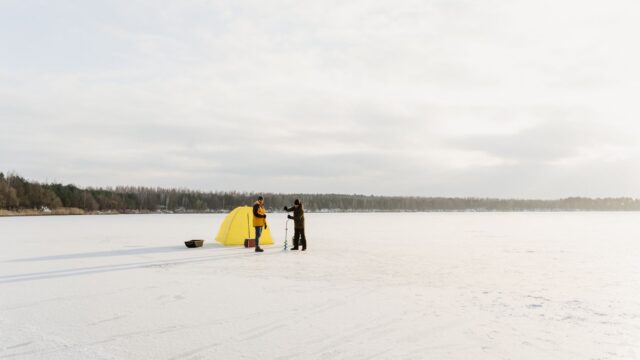
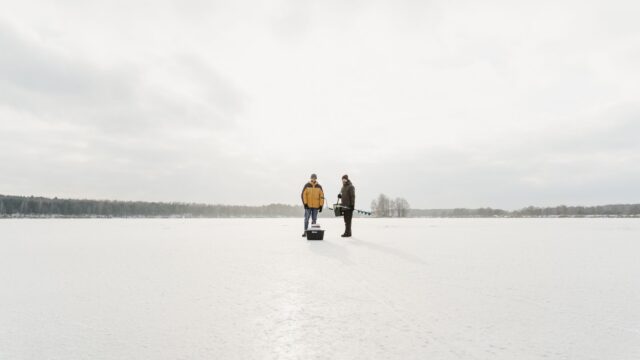
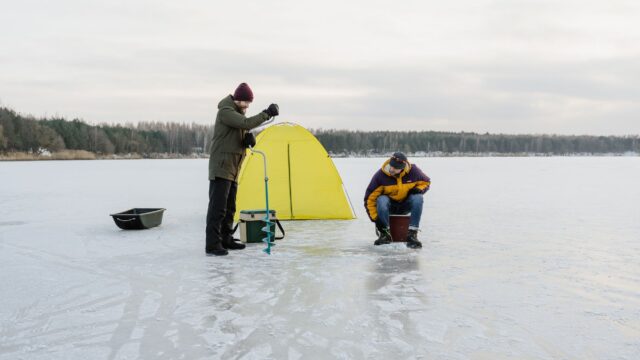
You need less gear than you think: safe ice, a way to make a hole, a short rod, small jigs and the right clothes. Here is how to plan your first day on the ice.
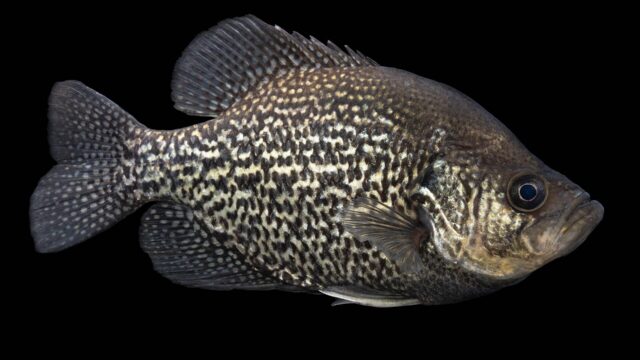
Winter crappie often hover in the middle of the water column over deeper water. Find the school with electronics, fish just above it, and be ready at dusk.
Low-light windows matter most for walleye and crappie, while perch, bluegill and pike are daytime fish. Here is how to plan your hours on the ice.
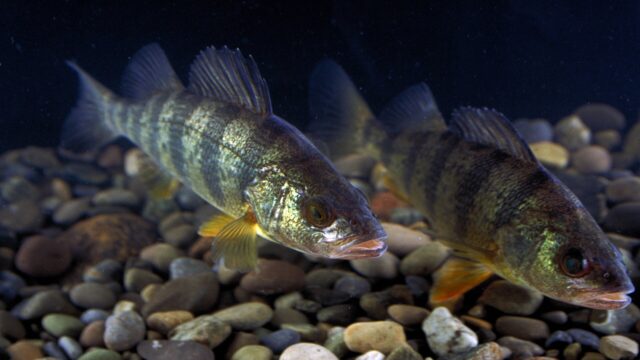
Perch roam soft-bottom flats, bluegill hang in the weeds, and both bite tiny jigs on light line. The trick is finding the school and keeping up with it.
Pack safety gear first, then the tools to make holes and catch fish, then comfort. Here is a checklist you can run through before every trip.
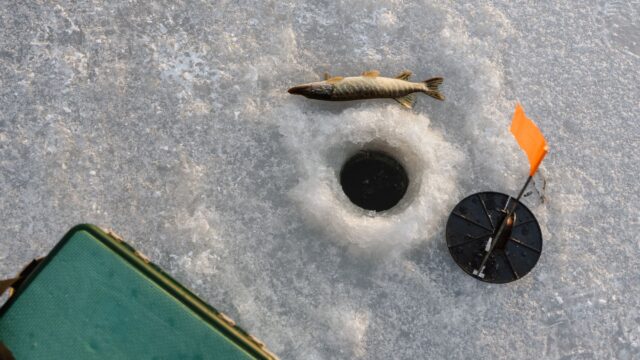
A tip-up holds a live or dead bait at a set depth and raises a flag when a fish takes it. Here is how to rig, place and fish them legally.
Staying warm on the ice is about layers, wind protection and keeping dry. Here is what to wear from head to toe, and the warning signs of frostbite and hypothermia.
A shelter turns a cold, windy day into a comfortable one. Here is how flip-overs and hubs compare, when insulation is worth it, and how to heat one safely.
We use analytics cookies to see which articles are read. No ads cookies. Privacy policy