Where Do Bass Go in Winter? Depth, Structure and Temperature
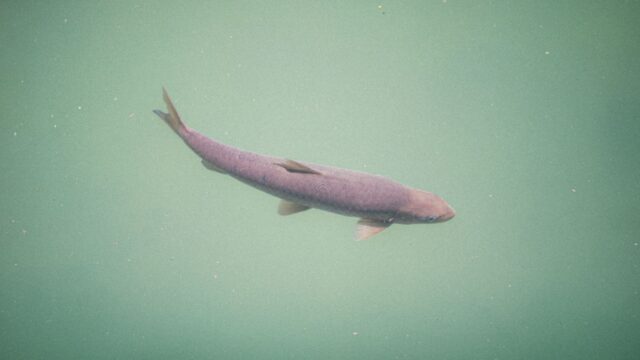
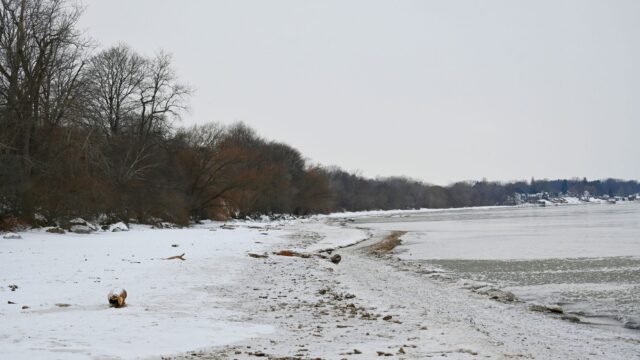
Bass in winter hold near the deepest stable water close to their fall areas. See typical depths and structure in reservoirs, natural lakes and rivers.
Largemouth, smallmouth, spotted and striped bass: where they hold through the year, what they eat and how to catch them from shore, kayak or boat.
Bass in winter hold near the deepest stable water close to their fall areas. See typical depths and structure in reservoirs, natural lakes and rivers.
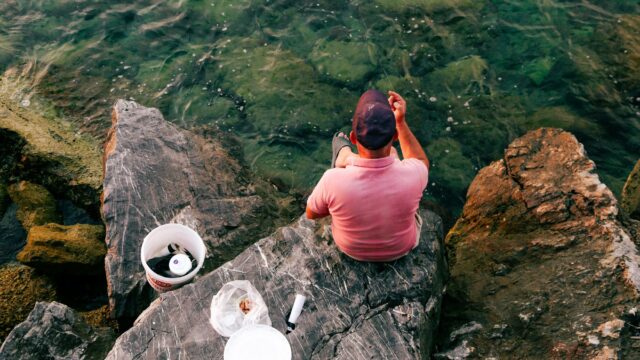
You don't need a boat to catch bass. Find legal access, walk the bank, and fish the cover and drop-offs bass use near shore with a few weedless lures.
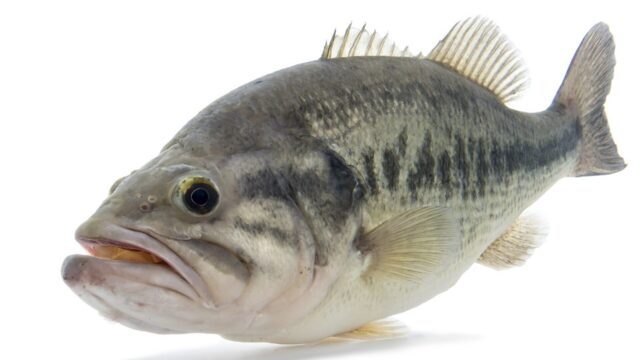
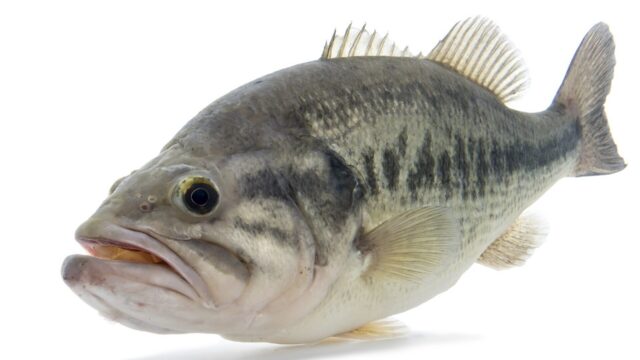
The most popular game fish in the US is easy to recognize once you know the jaw and the stripe. Here's where largemouth live, what they eat and how they move through the year.
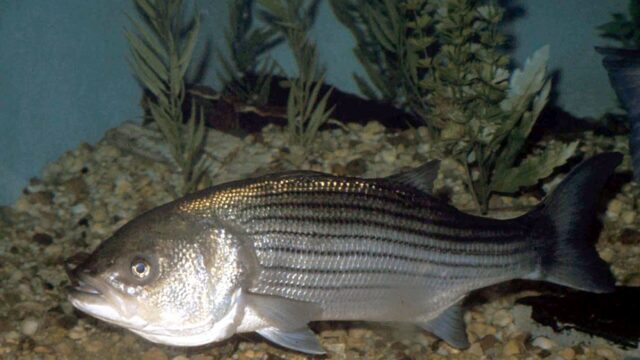
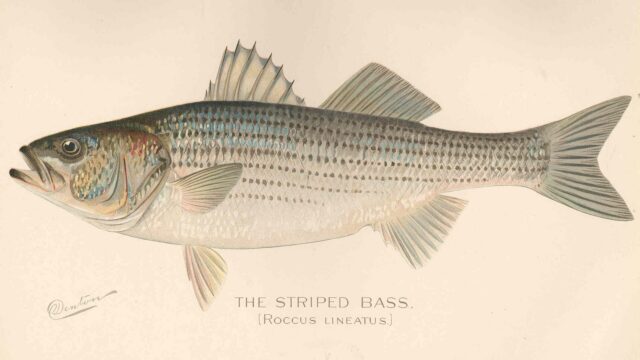
Live bait is the most dependable way to catch stripers in reservoirs and on the coast. Here's how to choose bait, keep it alive, rig it at the right depth and stay legal.
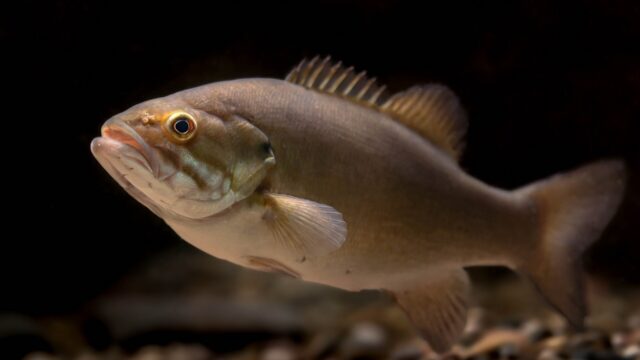
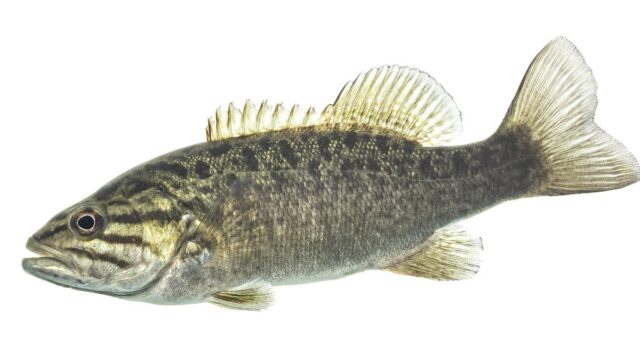
Bronze, barred and built for current, smallmouth live in clearer, cooler and rockier water than largemouth. Here's how to recognize them and where to look each season.
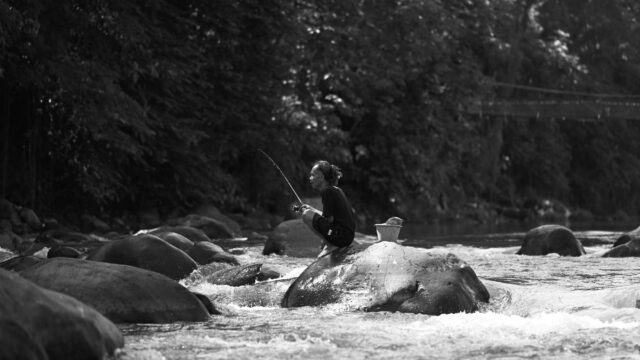
Rivers move bass and their food in predictable ways. Learn to read current breaks and water levels, and you can find fish in any stretch of moving water.
Smallmouth roam more than largemouth and live in clearer water. Fish rock, wind and current with a few finesse baits and a jerkbait, and adjust depth with the season.
Bass eat whatever is abundant and fits in their mouths, and that changes with the seasons. Know the menu in your lake and lure choice gets much easier.
Skip the giant tackle box. One rod, five proven lures and a simple plan for where to cast will catch largemouth in most lakes and ponds.
Stripers run up Atlantic rivers to spawn, roam big Southern and Western reservoirs, and cross with white bass to make hybrids. Here's how each fishery works.
We use analytics cookies to see which articles are read. No ads cookies. Privacy policy