Fly Rod Weight Chart: Which Rod Weight for Trout, Bass, Panfish and Pike
Rod weight is the single most important number on a fly rod. Here's what each weight is for, which length and action to pick, and how to match the line.
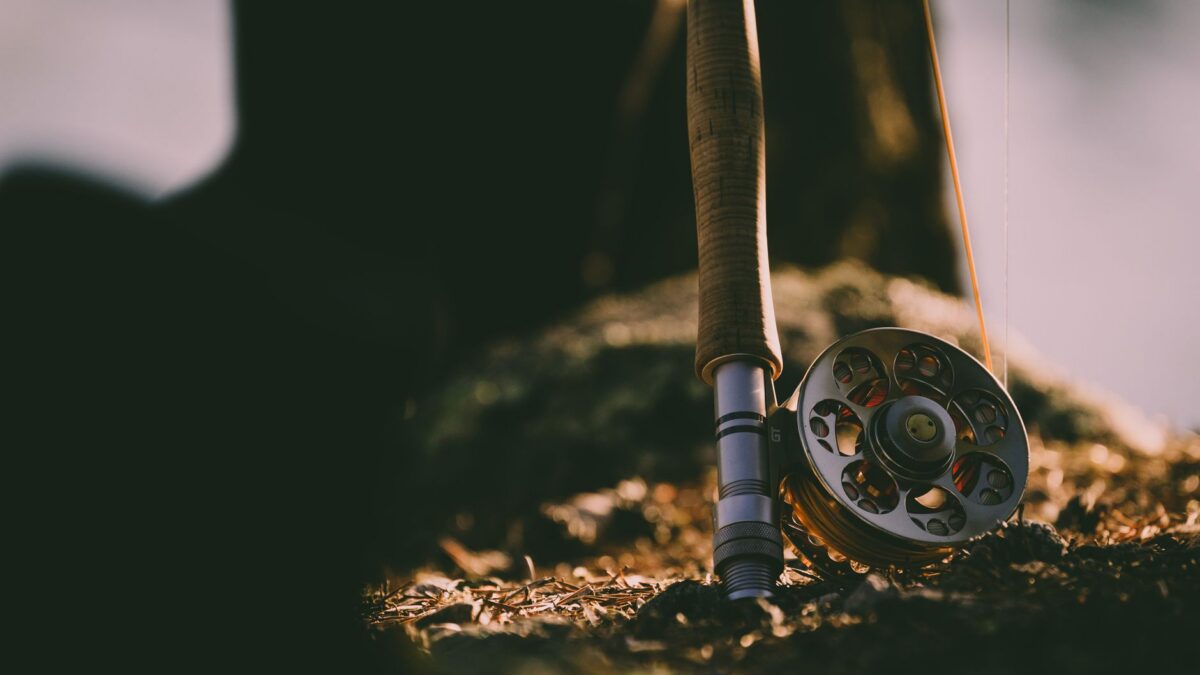
Fly rod “weight” is a number from roughly 1 to 14 that tells you which fly line weight the rod is built to cast. Light rods (1 to 4) suit panfish and small-stream trout, a 5- or 6-weight is the all-around trout rod, 7 to 8 is the usual range for bass and big flies, and 9 to 10 handles pike, stripers and heavy wind. Match the line weight to the rod weight and pick a 9-foot length unless you have a specific reason not to.
What “weight” actually means
The number on a fly rod doesn’t describe how heavy the rod is. It refers to the fly line standard used across the industry: each line weight corresponds to a target weight, in grains, of the first 30 feet of line. A rod labeled 5-weight is designed to bend and recover properly when that much line is in the air.
| Line weight | Standard weight of first 30 ft (grains) |
|---|---|
| 1 | 60 |
| 2 | 80 |
| 3 | 100 |
| 4 | 120 |
| 5 | 140 |
| 6 | 160 |
| 7 | 185 |
| 8 | 210 |
| 9 | 240 |
| 10 | 280 |
| 11 | 330 |
| 12 | 380 |
Each standard allows a small tolerance, and some modern lines are deliberately built heavier than their label to load fast-action rods at short range. Line makers usually list the actual head weight on the box.
Fly rod weight chart by species
The ranges below are typical starting points, not rules. Fly size and wind matter as much as fish size: a big, wind-resistant bass bug needs a heavier rod than the fish alone would suggest.
| Rod weight | Typical fish and situations | Common lengths |
|---|---|---|
| 1 to 3 | Bluegill and other sunfish, small brook trout, tiny creeks, delicate dry flies | 6 to 8 ft |
| 4 | Trout in small and medium streams, panfish, light dry-fly and nymph fishing | 8 to 9 ft |
| 5 | All-around trout rod for streams and lakes; also panfish and small bass | 9 ft |
| 6 | Larger trout, windy lakes, streamers, smallmouth in rivers | 9 ft |
| 7 | Bass with mid-size bugs and streamers, carp, light steelhead | 9 ft |
| 8 | Largemouth with big poppers, steelhead and salmon, light saltwater species | 9 ft |
| 9 to 10 | Pike and musky with large flies, striped bass, bigger salmon, saltwater in wind | 9 ft |
| 11 and up | Large saltwater species such as tarpon | 9 ft |
If you want one rod for trout and panfish, a 5-weight is the classic answer. If bass are your main target, see our guide to fly fishing for bass, where a 7- or 8-weight is the usual pick.
Rod length
Nine feet is the default length for most single-hand rods from 4- to 10-weight, and for good reason: it gives enough reach to lift line off the water and mend, yet stays easy to cast. Change length only for a reason:
- 6 to 8 feet: small, brushy streams where a long rod hits branches and casts are short.
- 9 feet: the all-purpose length for rivers, lakes and boats.
- 10 feet: extra reach for nymphing, mending on big rivers, and lake fishing from a float tube or the bank.
- 10 to 11 feet in light weights (2 to 4): specialized rods for tight-line European-style nymphing.
- Longer two-handed rods: switch and spey rods for big rivers, rated by their own line systems.
Rod action
Action describes where and how much the rod bends during the cast.
| Action | How it bends | Strengths | Trade-offs |
|---|---|---|---|
| Fast | Mostly in the top third | Tight loops, distance, cuts through wind, handles heavy flies | Less forgiving of timing errors; less feel at very short range |
| Medium-fast | Top half | Good balance of distance and touch; easy for beginners | Not specialized for either extreme |
| Medium | Into the middle | Smooth timing, soft presentations, protects light tippet | Slower in wind; less power for long casts |
| Slow | Deep into the butt | Delicate dry-fly work at short range, very forgiving feel | Limited distance and wind performance |
For a first rod, medium-fast is the safest middle ground. It casts well at 20 to 50 feet and doesn’t punish small timing mistakes as much as a very stiff rod.
Matching line, rod and reel
- Read the label. Rods are marked near the handle with length and line weight, for example “9′ 5wt”.
- Buy line of the same weight. A 5-weight rod takes a 5-weight line. Our guide to fly line types explains floating, sinking and taper choices.
- Pick a reel rated for that line. Reels are often rated for a range such as 4 to 6 weight; check that the spool holds your line plus enough backing. See the fly reel guide for drag and arbor options.
- Consider going up half or one size only if you mostly cast short or want the rod to bend more at close range. Many anglers do this on fast rods, but it’s a preference, not a requirement.
Bottom line
Match the rod weight to the size of the fly and the wind first, then the fish. A 9-foot 5-weight covers most trout and panfish, a 7- or 8-weight is the bass rod, and 9- or 10-weights handle pike, stripers and big water. Keep the line weight the same as the rod weight, choose medium-fast action for your first rod, and add specialized lengths later.
FAQ
What is the best all-around fly rod weight?
For freshwater, a 9-foot 5-weight is the most common all-around choice. A 6-weight is a good alternative if you fish windy lakes, bigger rivers or plan to throw small bass bugs too.
What weight fly rod for bass?
Most bass anglers use 7- or 8-weight rods, because bass flies are bulky and air-resistant. A 6-weight works for smallmouth and small poppers on calm days.
Can I use a 6-weight line on a 5-weight rod?
Yes, it will cast, and some anglers prefer it on fast rods for short casts. The rod will bend more and may feel sluggish at long range.
Does a heavier rod mean a bigger fish can be landed?
Partly. Heavier rods have more lifting power, but tippet strength, drag and technique decide most fights. Use the lightest rod that still casts your flies comfortably in the conditions.