House Passes Cormorant Control Bill as BEA Puts Outdoor Economy at $1.3 Trillion
The House passed H.R. 8195 on cormorant management, and new BEA data put outdoor recreation at $1.3 trillion in 2025. Here are the numbers and what is pending.
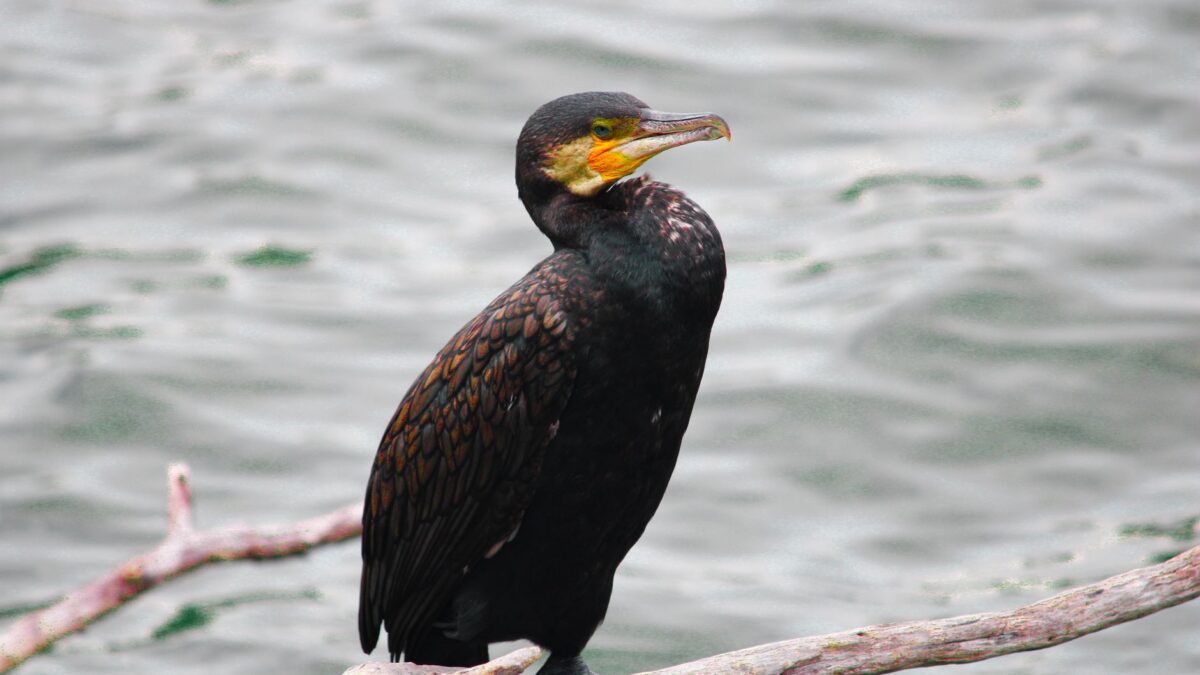
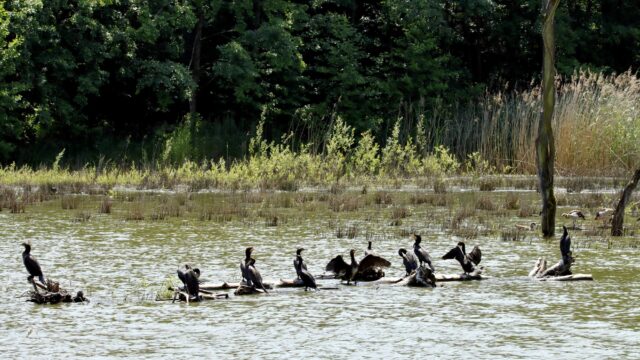
The U.S. House of Representatives passed H.R. 8195, the Responsible Cormorant Management and Control Act of 2026, on Nov. 17. The bill would give state and tribal fish and wildlife agencies more flexibility to manage cormorant populations that they consider too large and to deal with the birds’ effects on fisheries. It still has to move through the rest of the legislative process, and the sources do not describe the next steps.
The same week, the Bureau of Economic Analysis (BEA) released new figures on outdoor recreation’s economic weight, according to the American Sportfishing Association (ASA) policy update published by The Fishing Wire. The update also covers a stalled federal funding program for recreation infrastructure and a marine technology grant.
The numbers behind the news
- $1.3 trillion: gross economic output from outdoor recreation in 2025, per the BEA data.
- 5.3 million: American jobs the sector supported.
- 2.3%: the sector’s share of U.S. GDP. ASA said growth has leveled off amid broader economic uncertainty.
- H.R. 8195: the cormorant bill, passed by the House on Nov. 17.
- $8.4 million: grants announced Nov. 16 by the National Fish and Wildlife Foundation (NFWF) and NOAA for 16 projects.
- $9.6 million: total conservation impact of those grants, which draw $1.2 million in matching contributions.
What the cormorant bill would do
Double-crested cormorant populations have grown substantially in many parts of the country over several decades, according to the ASA summary. Because the effects of cormorant predation differ from place to place, the bill would set up regional management frameworks. States and tribes could act on documented impacts according to local conditions.
The bill requires that cormorant populations remain biologically sustainable. Targeted management would be allowed where documented impacts justify it. A separate item in the update points to a statement from Rep. Walberg on House passage of a bill to protect the health of Great Lakes fisheries.
Why it matters for anglers
Cormorants eat fish, and the bill’s supporters in the fishing industry want agencies to be able to respond where birds affect fish populations. Any management would depend on documented impacts in a given region, so the effect would vary by water body.
The BEA figures matter for a different reason. ASA President and CEO Glenn Hughes said the data shows Americans continue to make recreational fishing and outdoor recreation a priority, supporting businesses from local tackle shops to manufacturers, and rural communities that rely on visiting anglers.
Access funding runs out
ASA is urging Congress to pass the America the Beautiful Act before the end of the year, with a few weeks left in the 119th Congress. Congress created the Legacy Restoration Fund in 2020 through the Great American Outdoors Act to address the maintenance backlog on federal lands. According to ASA, the fund’s authority to receive new annual funding expired in 2025, and its future is uncertain.
ASA says boat ramps, access roads, fishing piers and marina facilities are among the aging facilities whose maintenance needs threaten access and limit fishing opportunities.
Other items on the calendar
ASA will hold a webinar on Dec. 10 at 3:00 p.m. ET with James Pollack, a partner at Marten Law. It will cover state packaging laws known as Extended Producer Responsibility, California’s Proposition 65 and emerging restrictions on PFAS chemicals. It is open to ASA members only.
NOAA Fisheries has also announced angler listening sessions and regional workshops on recreational fishing data. The NFWF and NOAA grants, funded through the Vessel Strike Avoidance Fund, will support artificial intelligence, satellite imagery analysis, underwater acoustics, thermal imaging and other tools to help mariners avoid collisions with large whales, including North Atlantic right whales.
Source: The Fishing Wire