Ice Fishing Heaters: Types, Ventilation and Carbon Monoxide Safety
Ice fishing heaters are safe in a shelter only with indoor-rated models, open vents and a working CO alarm. Heater types, fuel care and CO warning signs.
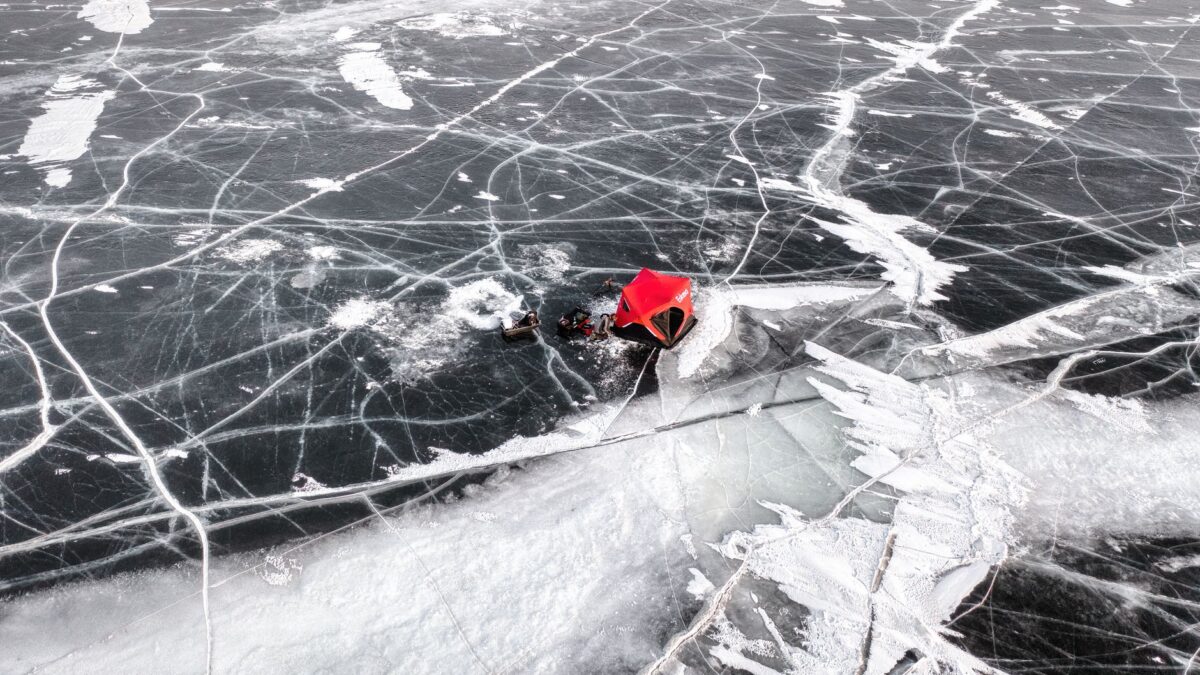
An ice fishing heater is safe inside a shelter only if it is rated for indoor or enclosed use, the shelter has fresh air coming in, and a battery-powered carbon monoxide (CO) alarm is running the whole time. Every fuel-burning heater (propane, kerosene or diesel) makes carbon monoxide, an odorless and invisible gas that can knock out and kill people in a closed space with little warning. Pick the right heater type, keep vents open and treat headaches or dizziness as an emergency.
What types of ice fishing heaters are there?
Most anglers choose from five kinds of heaters, and each suits a different shelter.
- Portable radiant propane heaters use a ceramic tile or burner plate that glows and warms objects and people in front of it. Models sold for indoor use usually have an oxygen depletion sensor and a tip-over shutoff. They run on 1-pound cylinders or a hose to a larger tank.
- Catalytic propane heaters burn fuel on a catalyst pad without an open flame. They give gentle, quiet heat, but they still use oxygen and can still release carbon monoxide.
- Forced-air propane and kerosene heaters blow a lot of heat fast. Most are built for construction sites and garages with good airflow, and many carry warnings against use in small enclosed spaces. Read the label before taking one into a shelter.
- Vented diesel or propane heaters pull combustion air from outside and send exhaust out through a pipe. They are common in hard-sided and wheeled fish houses because the burned gases leave the living space, though a poor seal or a blocked pipe can still leak CO inside.
- Electric heaters run from a generator or a portable power station. They produce no fumes inside the shelter, but battery units give modest heat for a limited time, and a gas generator must sit outside, well away from doors and vents.
For portable flip-over and hub shelters, a small indoor-rated propane heater is the usual choice. Our guide to flip-over and hub shelters covers how insulation changes how much heat you need.
How much ventilation does a heated shelter need?
A heated shelter needs the amount of fresh air the heater’s manual lists, and that requirement does not go away in bitter cold. Manufacturers give a ventilation figure for each model, often as a minimum opening size. Many anglers meet it with one window or vent open near the top of the shelter and another near the ice, so stale air leaves high and fresh air comes in low.
- Never zip a shelter fully closed with a heater running.
- Check that snow, frost or a drifting skirt has not sealed the vents, especially after a storm or a long sit.
- Keep vents open while sleeping in a fish house with any fuel-burning appliance, or shut the heater off.
- Run the heater on its lowest setting that keeps you comfortable.
Why is carbon monoxide such a risk in ice shelters?
Carbon monoxide builds up fast in a small, tight space, and you cannot see or smell it. Shelters are small, many are insulated, and people close them up to hold heat. A heater burning with too little oxygen, a dirty burner, or exhaust blowing back in can raise CO levels without any sign. The Centers for Disease Control and Prevention lists portable heaters and fuel-burning engines among common sources of CO poisoning.
Early symptoms look like a cold-weather headache or the flu:
- headache
- dizziness or weakness
- nausea or vomiting
- confusion, blurred vision or unusual sleepiness
If anyone in the shelter has these symptoms, turn off the heater, get everyone out into fresh air and call 911. Several people feeling sick at once, or feeling better after stepping outside, points strongly to CO. Do not go back in until the shelter has aired out and the cause is found.
What should a CO alarm in a shelter look like?
Use a battery-powered CO alarm that sounds a loud alert, placed at about head height and away from the direct blast of the heater. Plug-in models are useless on the ice. Check the alarm’s operating temperature range on the package or in the manual, because many household units are not rated for freezing conditions. Keep it on the warm side of the shelter, store it in a warm vehicle between trips, test it before each outing and replace it by the date printed on the case. Put spare batteries on your ice fishing gear checklist.
How do you handle propane safely on the ice?
Handle propane outside the shelter whenever you can. Swap 1-pound cylinders outdoors, away from any flame, and let the heater cool before you touch the connection. Check new hoses and fittings with soapy water: bubbles mean a leak. Store spare cylinders upright and outside the shelter, never next to the heater.
Cold weather lowers propane pressure, and propane stops turning into gas at about -44°F (-42°C), so heaters run weaker on very cold days. Keep cylinders out of the wind, but never warm them with a flame or tape them to the heater. The same cold that weakens propane drains batteries, which is covered in our article on keeping electronics working in the cold.
What are the most common heater mistakes?
- Bringing an outdoor-only heater, a charcoal grill or a camp stove inside a shelter for warmth.
- Running a gas generator inside the shelter or right beside a door or vent.
- Setting the heater too close to fabric walls, clothing, gloves drying on a rod holder, or a sleeping bag. Keep the clearances in the manual.
- Placing the heater where a kicked bucket or a jumping dog can tip it over.
- Leaving a heater running in an empty shelter or overnight without a working CO alarm.
- Ignoring a yellow, lazy or sooty flame on a propane heater, which can mean poor combustion and more CO. Shut it off and have it serviced.
The U.S. Consumer Product Safety Commission publishes recalls for portable heaters, so check your model if it is older or second-hand.
Quick answers
Can I sleep in an ice shelter with a heater on?
Only with a heater the manufacturer approves for that use, a vented setup, open fresh-air vents and a working battery CO alarm. Many deaths from CO happen during sleep, when early symptoms go unnoticed. If any of those conditions is missing, turn the heater off before sleeping.
Is a catalytic heater safer than a radiant one?
A catalytic heater has no open flame, which lowers the fire risk, but it still burns propane, uses oxygen and can produce carbon monoxide. It needs the same ventilation and CO alarm as any other fuel-burning heater.
Do I need a heater for ice fishing at all?
No. Many anglers fish all day in good insulated clothing and a windproof shelter. A heater adds comfort on the coldest and windiest days, along with the safety steps above.
What should I do if the CO alarm goes off?
Turn off the heater, get everyone outside into fresh air and call 911 if anyone feels ill. Air out the shelter fully and find the cause before restarting anything.