Can You Eat Bass? Taste, Which Ones to Keep, Limits and Fish Advisories
Largemouth, smallmouth and striped bass all make good table fare. The keys are choosing the right fish, following limits and checking local advisories.
Yes, you can eat bass. Largemouth, smallmouth and spotted bass have mild, white, flaky fillets, and striped and hybrid bass are popular table fish. For the best taste and safety, keep smaller legal fish from clean, cool water, ice them right away, remove the skin, and cook to an internal temperature of 145°F. Before you keep any, check your state’s size and bag limits and its fish consumption advisories for that water.
What does bass taste like?
Black bass (largemouth, smallmouth and spotted) have lean white meat with a mild flavor and medium-firm texture. They’re less delicate than crappie or walleye but take well to frying, baking and grilling. How they taste depends a lot on where they lived and how they were handled:
- Water quality. Fish from cool, clear water usually taste cleaner than fish from warm, shallow, weedy or muddy water.
- Handling. Fish kept alive or put on ice right away taste far better than fish left on a stringer in warm water.
- Skin and dark meat. Removing the skin and trimming the darker strip of meat along the lateral line gives a milder fillet.
Which bass are best to eat?
| Fish | Table quality | Notes |
|---|---|---|
| Largemouth bass | Good | Mild; best from clean water; skin off |
| Smallmouth bass | Good | Firm, white meat; often from cooler, clearer water |
| Spotted bass | Good | Similar to largemouth |
| Striped bass and hybrids | Very good | Firm, larger fillets; trim the red meat; separate rules on the coast |
| White bass | Good when fresh | Trim the red meat; best eaten fresh rather than frozen long |
For more on the differences between these fish, see our species guides, including striped bass.
Which fish to keep, and which to release
Many anglers keep smaller legal fish and release the big ones. That’s a good habit for three reasons: smaller bass usually taste better, older and larger predators tend to carry more mercury, and big bass are valuable spawners and the fish other anglers hope to catch. In some waters, biologists actually want anglers to keep more small bass to reduce crowding and improve growth; your state’s regulations and lake reports will say so if that’s the case.
For the fish you release, follow good catch and release practices so they survive.
Size limits, bag limits and seasons
Bass regulations vary by state and often by individual lake or river. Common rules include:
- Minimum length limits, below which every fish must be released.
- Slot limits, which protect fish within a certain length range.
- Daily bag and possession limits, sometimes combined across bass species.
- Seasonal rules, such as catch-and-release periods in some waters.
Never assume another state’s or last year’s rules apply. Check your state wildlife agency’s current regulations for the specific water before you keep fish.
Fish consumption advisories
Bass are top predators. They eat other fish, and contaminants like methylmercury build up as they move up the food chain, so bass are among the species most often named in mercury advisories. States, territories and tribes issue fish advisories for local waters, and the EPA’s Choose Fish and Shellfish Wisely page links to each state’s advisory contacts. Advisories may recommend a number of meals per month or week, or advise against eating certain fish from certain waters. Some are statewide; Washington’s health department, for example, has issued a statewide advisory for largemouth and smallmouth bass because of mercury.
Extra care for pregnant people and children
The FDA and EPA have joint advice about eating fish for people who are or might become pregnant, those who are breastfeeding, and young children. For fish caught by family and friends, it says to check local advisories, and if no advice is available, to eat only one serving of that fish and no other fish that week.
Striped bass and the FDA/EPA chart
The FDA/EPA chart doesn’t list freshwater black bass, which are covered by state advisories instead. It does list ocean-caught striped bass as a “Good Choice,” meaning about one serving a week for the groups the advice covers. Landlocked stripers and hybrids from reservoirs fall under your state’s advisories for that water.
Preparation and contaminants
Some contaminants, such as PCBs, collect in fat. Many state advisories recommend removing the skin and fatty areas and cooking so fat drains away. This doesn’t reduce mercury, which is in the meat itself, so meal limits for mercury still apply.
When not to keep a bass for the table
- The water has a “do not eat” advisory for bass, or a meal limit you’ve already reached.
- The fish is outside the legal size range or over the bag limit.
- The fish has open sores, lesions or an unusual smell, or you found it dead.
- You can’t keep it cold until you clean it.
Cleaning and cooking
- Keep fish alive in an aerated livewell or put them on ice right away.
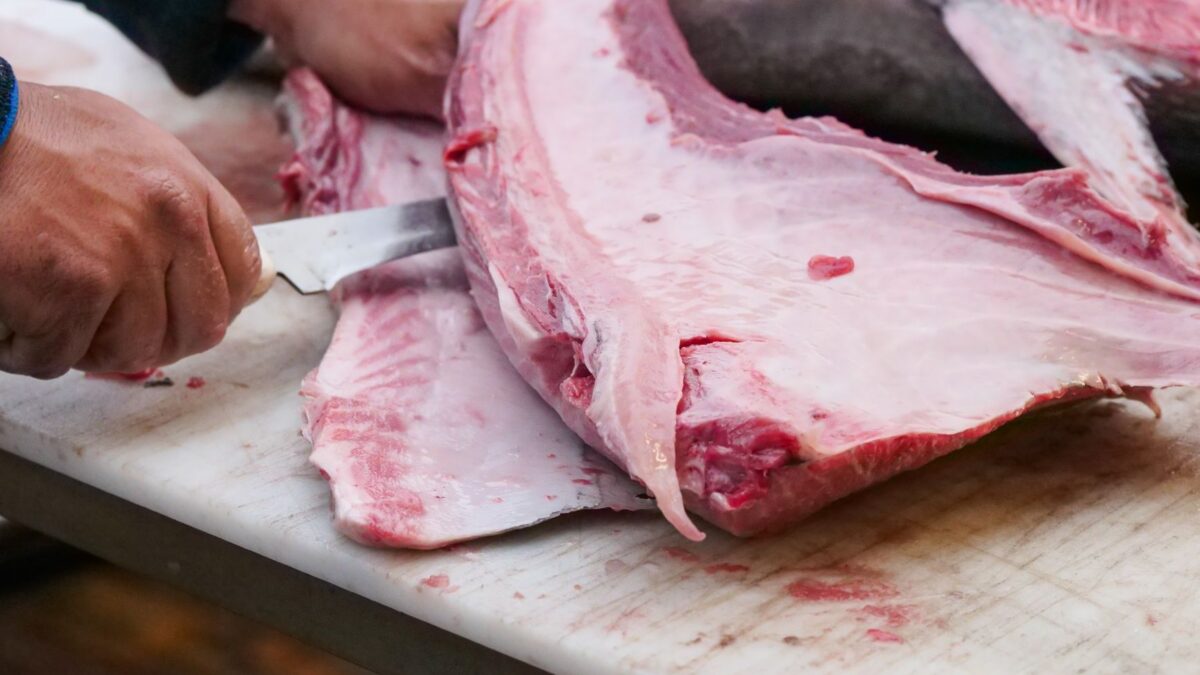
- Fillet and skin the fish, removing the rib bones. Our step-by-step guide on how to clean and fillet a bass shows how.
- Trim the dark lateral line meat for a milder flavor.
- Refrigerate fillets and use them within about 1 to 2 days, or freeze them.
- Cook to an internal temperature of 145°F, the FDA’s guideline for most seafood; the flesh should be opaque and flake easily.
Bass fillets work well battered and fried, baked with lemon and butter, grilled in foil, in fish tacos or in chowder. Because the meat is lean, avoid overcooking.
Bottom line
Bass are perfectly good to eat, and smaller fish from clean water taste best. Before keeping any, check your state’s size and bag limits and the fish consumption advisory for that water, and follow the FDA/EPA advice if you’re pregnant, nursing or feeding children. Ice the fish right away, remove the skin and dark meat, and cook to 145°F.
FAQ
Is largemouth bass good to eat?
Yes. Largemouth bass have mild, white meat. They taste best when they come from clean water, are kept cold right after the catch, and are skinned before cooking.
Is it safe to eat bass from my local lake?
Often, but check first. Look up your state’s fish consumption advisory for that water, since bass can carry mercury, and follow any meal limits it gives.
Why does my bass taste muddy or fishy?
Usually because of warm, weedy water, slow icing, or leaving the skin and dark lateral line meat on. Ice fish promptly and trim the skin and dark meat.
Do bass have a lot of bones?
Not many. A properly filleted bass leaves the backbone behind; you only need to cut away the rib cage, and there are no Y-bones like those in pike.