Striped Bass Guide: Coastal and Landlocked Stripers, Hybrids, Seasons and Tactics
Stripers run up Atlantic rivers to spawn, roam big Southern and Western reservoirs, and cross with white bass to make hybrids. Here's how each fishery works.
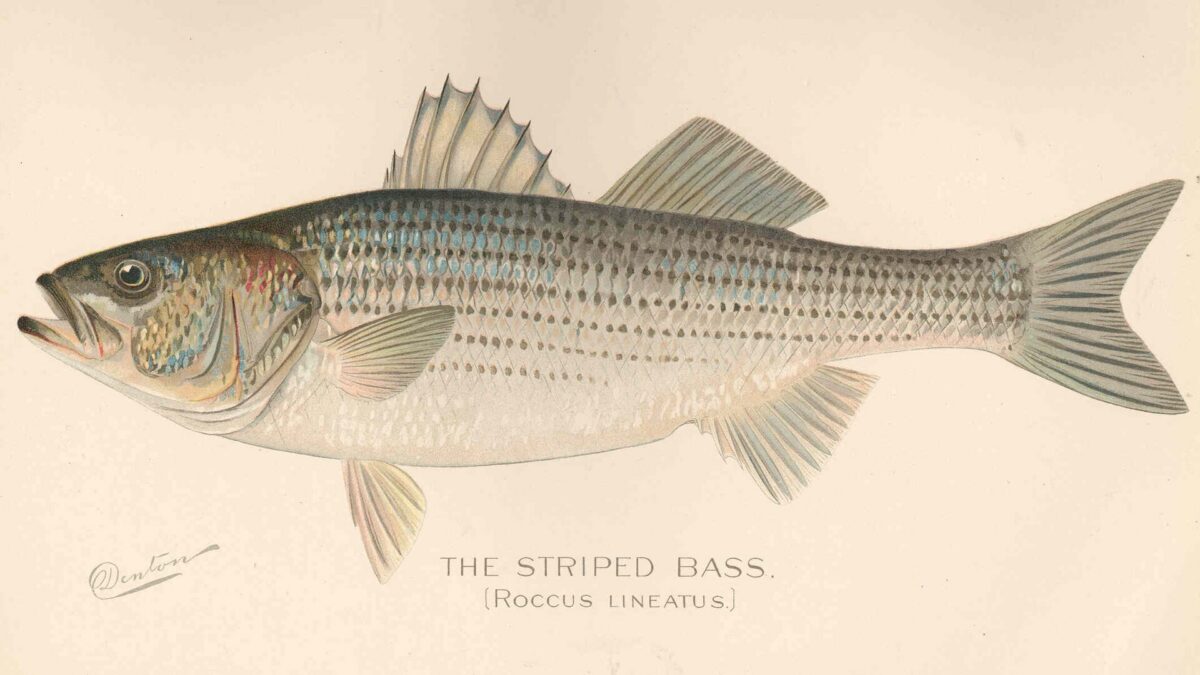
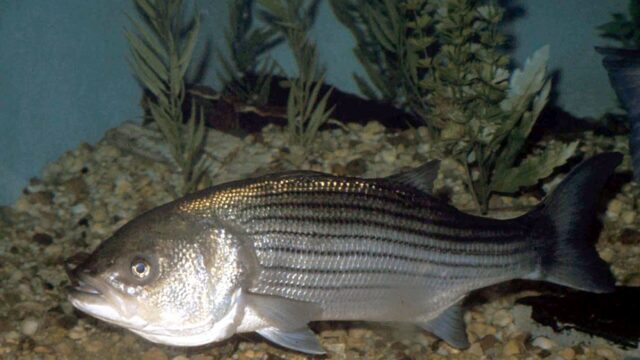
The striped bass is a large, silvery, open-water predator with seven or eight dark, unbroken stripes along its side. Wild coastal stripers live in the ocean and bays and run up rivers to spawn; landlocked stripers live entirely in freshwater reservoirs, mostly kept going by hatchery stocking; and hybrids (wipers) are a hatchery cross with white bass. All three chase schools of baitfish, so the main ways to catch them are live bait, trolling and casting to fish you find feeding or marking on sonar.
What a striped bass is (and isn’t)
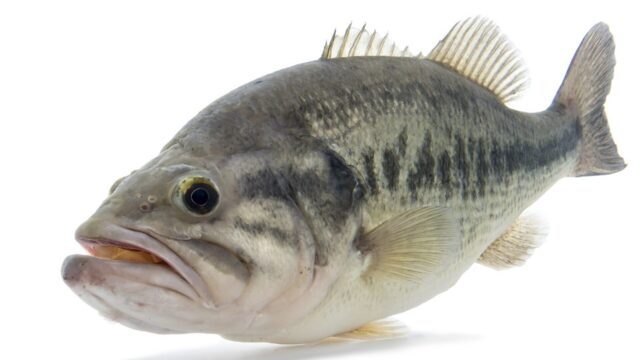
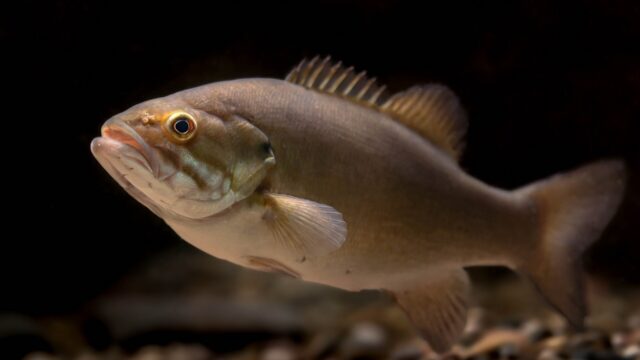
Despite the name, stripers are not related to largemouth or smallmouth. They belong to the temperate bass family (Morone), together with white bass, yellow bass and white perch. Black bass are sunfish.
Key features:
- Body: long and fairly streamlined, silver to white with an olive, blue-gray or dark green back.
- Stripes: usually seven or eight continuous dark stripes from head to tail.
- Size: much larger than black bass. According to NOAA Fisheries, Atlantic stripers can live about 30 years and exceed 5 feet. The International Game Fish Association all-tackle record is an 81-pound, 14-ounce fish taken from Long Island Sound off Connecticut in 2011.
Coastal stripers
Atlantic striped bass range from the St. Lawrence River in Canada to the St. Johns River in Florida, with smaller Gulf Coast populations. They were introduced to the Pacific Coast in the 1800s and now range from Mexico to British Columbia.
Coastal stripers are anadromous: they live mostly in salt or brackish water and swim up rivers in spring to spawn. Young fish spend their first few years in estuaries before moving to the ocean. Some adults stay in bays and rivers year-round, while many migrate along the coast, generally moving north in summer and south in fall and winter. Adults are fish-eaters (menhaden, herring and sand eels are classic forage) and also take crabs and squid.
Atlantic stripers are managed jointly by coastal states through the Atlantic States Marine Fisheries Commission. Federal waters from 3 to 200 miles offshore are closed to striped bass fishing. The 2024 stock assessment found the stock overfished but no longer experiencing overfishing, so recreational rules (slot limits, one-fish bag limits in many states, seasons and circle-hook rules for bait fishing) are strict and change often. Check the NOAA Fisheries species page for background and your state’s marine fisheries agency for current rules.
Landlocked reservoir stripers
Freshwater striper fishing began almost by accident. When dams closed off South Carolina’s Santee and Cooper rivers in 1941, forming Lakes Marion and Moultrie, stripers that had run upriver to spawn were trapped, and biologists later found they were reproducing in the lakes’ tributaries. That discovery led to striper stocking in reservoirs across the South and West.
Stripers spawn in moving water, and their eggs need long stretches of current to stay suspended until they hatch. Few reservoirs have enough free-flowing river above them, so most landlocked populations depend on hatchery stocking. A few lakes with long, free-flowing tributaries, including some large Western reservoirs, have naturally reproducing populations.
Reservoir stripers prefer cooler water than black bass. In hot summers, many lakes stratify: the surface gets too warm and the deep water loses oxygen, squeezing large stripers into a thin band of cool, oxygenated water. In some lakes this “temperature-oxygen squeeze” causes summer die-offs of big fish, and some agencies have switched to stocking hybrids for that reason.
Hybrid striped bass (wipers)
Hybrid striped bass are a hatchery cross between striped bass and white bass. Depending on the region they’re called wipers, whiterock, palmetto bass or sunshine bass. Florida’s extension service uses “palmetto bass” for the female striper × male white bass cross and “sunshine bass” for the reverse cross.
Hybrids are deeper-bodied than stripers, and their stripes are often broken, though stripe pattern alone isn’t a reliable identifier. They grow fast, tolerate warmer water better than pure stripers, and fight hard for their size, which makes them popular in lakes too warm or too small for stripers. Many states have different size and bag limits for stripers, hybrids and white bass, so learn to tell them apart or check the identification guide in your state’s regulations.
Seasonal movements in reservoirs
| Season | What stripers usually do | Where to look |
|---|---|---|
| Spring | Spawning runs up tributaries and toward dams | Upper ends of lakes, river arms, below dams (check access rules) |
| Early summer | Feed heavily on shad and herring, often near the surface at dawn | Main-lake points, humps, creek mouths; watch for surface schools and birds |
| Mid to late summer | Move to the coolest oxygenated water available | Deep river channels, near dams, cool tributary inflows; fish by electronics |
| Fall | Follow shad into creeks and onto flats as water cools | Creek arms, flats, surface feeding at dawn and dusk |
| Winter | Roam in schools after baitfish | Wherever the bait is; warm-water discharges in some lakes |
Main ways to catch stripers
Live bait
Live gizzard or threadfin shad, blueback herring and alewives (in reservoirs), and live eels or menhaden (on the coast) are the classic striper baits. Anglers fish them on downlines, free lines and planer boards. Our guide to catching striped bass with live bait covers rigs, hooks and bait rules in detail.
Trolling
Trolling covers water to find scattered fish: deep-diving crankbaits, bucktails, swimbaits, and umbrella or Alabama-style rigs where legal (some states limit the number of hooks or lures per line).
Casting and jigging
When stripers push bait to the surface, cast topwater plugs, bucktails, soft swimbaits or spoons into the school. When they’re deep, drop jigging spoons or heavy swimbaits to fish you see on sonar. Good electronics help a lot; see how to read a fish finder for spotting bait balls and schools.
Handling and release
Stripers caught from deep water in hot weather are stressed, and big fish are heavy. Use tackle strong enough to land them quickly, keep them in the water while unhooking, support their weight horizontally, and revive them facing into current or by moving them gently forward. In summer, consider fishing early in the day or practicing catch-and-keep within the legal limit rather than repeated catch and release. More tips are in our catch and release guide.
Bottom line
Stripers are big, schooling temperate bass, not relatives of largemouth. Coastal fish migrate and spawn in rivers under tight interstate rules; reservoir stripers are mostly stocked and need cool, oxygenated water in summer; hybrids are a hardier hatchery cross with white bass. Find the baitfish and you’ll find them, then use live bait, trolling or casting depending on depth and season, and always check the current rules for your state and water.
FAQ
Are striped bass and largemouth bass related?
Not closely. Stripers belong to the temperate bass family with white bass, while largemouth and smallmouth are black bass in the sunfish family.
What is a wiper fish?
A wiper is a hybrid of a striped bass and a white bass, produced in hatcheries and stocked in many lakes. It’s also called a hybrid striper, whiterock, palmetto bass or sunshine bass.
Can striped bass live in freshwater?
Yes. Coastal fish spawn in freshwater rivers, and landlocked populations live their whole lives in reservoirs. Most reservoir populations are maintained by stocking because they lack the long river stretches needed for natural spawning.
Do I need circle hooks for striped bass?
When fishing with bait for Atlantic coastal stripers, states that follow the interstate plan require circle hooks. Inland rules vary, so check your state’s freshwater regulations.