Louisiana Asks Anglers to Report Orange-Tagged Striped Bass
LDWF wants reports of orange-tagged striped bass in the Pontchartrain and Pearl River basins. Here is how to report a catch and join the project.
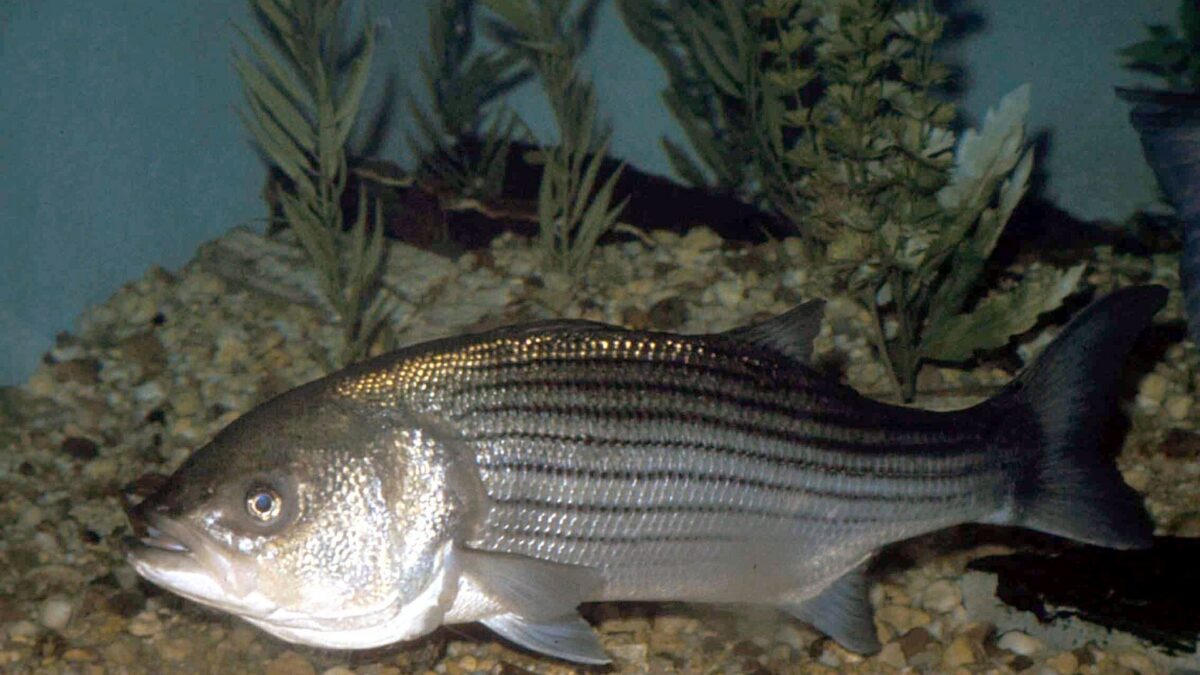
The Louisiana Department of Wildlife and Fisheries (LDWF) is asking anglers in the Pontchartrain and Pearl River basins to report any striped bass with an orange tag, according to The Fishing Wire. LDWF is working with the U.S. Fish and Wildlife Service to rebuild the historic Gulf Strain striped bass population in the Pearl River and Lake Pontchartrain basins.
The tag sits near the rear of the dorsal fin. Tagged fish also carry internal acoustic transmitters, which give biologists tracking data on where the fish go.
How to report a tagged striped bass
LDWF asks anglers to photograph the fish and release it if possible. Doing so is optional, and the agency says it is greatly appreciated.
To report a catch, call the number on the tag or contact Jonathan Winslow at 985-847-2422. The report should give the location and time of the catch and any other details the angler has.
The stocking behind the project
On June 4, 2026, LDWF released 5,500 Gulf Strain striped bass into the Pearl River. The release was coordinated with the U.S. Fish and Wildlife Service, the Mississippi Department of Wildlife, Fisheries and Parks, and the Gulf Striped Bass Working Group. It is part of a larger goal: a healthy Gulf Strain population that can support a recreational fishery.
Regular striped bass anglers can join a study
LDWF is also recruiting participants for its Striped Bass Collaborative Anglers Project (SBCAP). The project is meant to help biologists understand the striped bass population in the Lake Pontchartrain and Pearl River basins. Participants’ catches and genetic information can be viewed on the program’s SBCAP webpage.
The sample area covers all Louisiana waters east of the Mississippi River. That includes Lakes Maurepas, Pontchartrain and Borgne, every river that drains into those lakes, and the entire Pearl River system.
LDWF needs tissue samples from the striped bass anglers catch, whether the fish is kept or released. There are two ways to provide them:
- Order a fin clip kit from the LDWF project website.
- Request a pickup of your cleaned carcass through the LDWF project website.
LDWF biologists will analyze the samples to determine each fish’s age, using otoliths, and its genetic origin: Gulf Strain, Atlantic Strain, or natural or stocked. Anglers who want a striped bass identification guide, a fin clip kit or a sample pickup can also call Winslow at 985-847-2422.
Why it matters
The orange tags and tissue samples tell LDWF how old the fish are and where they came from, which is the information a restoration effort needs. Every report adds a location and a time to the tracking data. Anglers who fish for striped bass elsewhere can find background on baits and rigs in this site’s guide to catching striped bass with live bait.
Source: The Fishing Wire