How to Catch Striped Bass With Live Bait: Best Baits, Rigs, Hooks and Rules
Live bait is the most dependable way to catch stripers in reservoirs and on the coast. Here's how to choose bait, keep it alive, rig it at the right depth and stay legal.
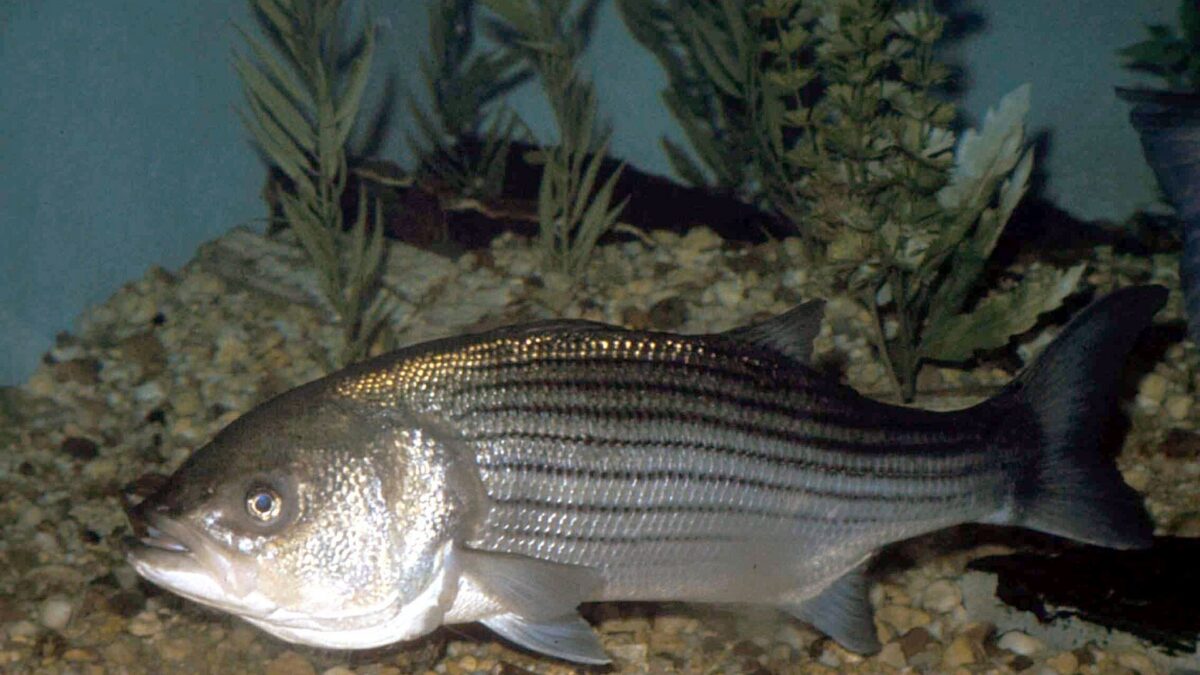
To catch striped bass on live bait, use the baitfish the stripers are already eating (shad or herring in most reservoirs, menhaden or eels on the coast), hook it so it swims naturally, and present it at the depth where your electronics show fish: downlines for deep fish, free lines and planer boards for fish near the surface or in the shallows. Use circle hooks, which are required for bait fishing for coastal stripers, set the drag fairly light and let the rod load before reeling.
Choose the right bait
The best bait is whatever is local and legal. Stripers key on the most abundant baitfish, and a lively bait of the right size beats a bigger but sluggish one.
| Bait | Where it’s used | Notes |
|---|---|---|
| Gizzard shad | Reservoirs and rivers | Grows large; big shad are a classic trophy-striper bait. Usually caught with a cast net. |
| Threadfin shad | Southern reservoirs | Small and fragile; good when stripers feed on small bait. Can die off in very cold winters. |
| Blueback herring | Many Southeastern reservoirs, Atlantic rivers | Very effective but needs cool, well-oxygenated, often salted water to stay alive. |
| Alewives | Some Northern and Western reservoirs, Atlantic rivers | Similar to herring; heavily restricted in some coastal states. |
| Live eels | Atlantic coast, especially at night | Hardy and easy to keep alive; a traditional bait for big coastal stripers. |
| Menhaden (bunker) | Atlantic coast and bays | Oily, abundant forage; fished live or as chunks. |
Bait rules to check first
- River herring (alewives and blueback herring) have been closed to harvest or tightly restricted in several Atlantic coastal states since the interstate river herring plan took effect. Some states ban possessing them entirely, and some require a receipt for bait bought elsewhere.
- Moving live baitfish from one lake or river to another is illegal in many states, because it can spread invasive species and disease. Some states allow wild-caught bait only in the water where it was caught.
- American eels are managed coastwide with a minimum size and a daily possession limit for anglers.
- Cast nets and bait traps may have size or mesh rules.
Rules change, so read your state’s current fishing regulations before you net or buy bait.
Keep the bait alive
- Use a round or oval bait tank with no corners, good aeration and enough volume. Herring and threadfin swim constantly and die quickly in square buckets.
- Don’t overcrowd. Too many fish in too little water burns the oxygen and stresses bait.
- Many anglers add non-iodized salt and a water conditioner for herring and shad, and keep the water cool. Avoid sudden temperature changes when adding water.
- Handle bait as little as possible. Use a soft net and wet hands, and hook the bait quickly.
Hooks and the circle-hook rules
Circle hooks hook most fish in the corner of the mouth instead of the gut, which greatly improves survival of released fish. Under the Atlantic States Marine Fisheries Commission plan, every Atlantic coastal state from Maine to North Carolina has had to require circle hooks when fishing for striped bass with bait since 2021. Each state defines “bait” and what counts as a circle hook in its own regulations, and artificial lures are generally exempt. Some inland waters have their own hook rules, so check freshwater regulations too.
Typical sizes, depending on bait size and hook brand:
- Small threadfin shad or small herring: about 1/0 to 3/0 circle hooks.
- Larger herring and medium gizzard shad: about 3/0 to 5/0.
- Big gizzard shad, eels and menhaden: about 6/0 to 8/0 or larger.
Where to hook the bait: through both lips or the nostrils for downlines and free lines; just behind the dorsal fin (above the spine) for a free-swimming bait that dives; through the lips or eye sockets for eels.
Three ways to fish live bait
1. Downlines (deep fish)
A downline puts the bait right in front of fish you see on sonar.
- Slide an egg sinker (about 1 to 2 ounces, heavier in wind or current) onto the main line, then a bead.
- Tie on a barrel swivel to stop the sinker.
- Add a fluorocarbon leader, often 4 to 6 feet long, then the circle hook.
- Hook the bait and lower it to the depth where fish are marking, usually just above them, since stripers look up to feed.
- Place rods in holders with reels in gear and drag set light, or use the clicker. Move slowly with the trolling motor to keep baits vertical.
Line-counter reels make it easy to return to the same depth. If you’re new to reading sonar, see our guide on reading a fish finder.
2. Free lines (shallow or surface fish)
A free line is just a leader and hook with no weight, or a small split shot. The bait swims naturally behind the boat as you move slowly with the trolling motor. Free lines work at dawn and dusk, on calm days, in shallow creeks and flats, and when stripers are near the surface. A balloon or float can keep a bait from diving into cover.
3. Planer boards (spreading out baits)
Planer boards clip to the line and run off to the side of the boat, pulling free-lined baits away from the boat’s path and into shallower water along banks or over flats. They let you cover a wider swath without spooking fish. When a striper hits, the board pulls back or drops; reel steadily to bring the board and fish in, then unclip the board. Check local rules on the number of rods and lines you may fish at once.
When a striper bites
With circle hooks, do not jerk. Let the rod load as the fish swims off, then reel steadily and lift. The hook rotates into the corner of the mouth on its own. A hard hookset with a circle hook usually pulls it out of the fish’s mouth. Our guide on setting the hook explains how circle hooks differ from J-hooks.
Gear basics
- Rods: 7- to 8-foot medium-heavy rods with a moderate action that lets a fish take the bait before the rod loads.
- Reels: conventional or large spinning reels with smooth drags; line counters help with downlines.
- Line: 15- to 20-pound monofilament or 30- to 50-pound braid in reservoirs, with 12- to 20-pound fluorocarbon leaders in clear water; heavier for big coastal fish.
Releasing stripers
Stripers caught from deep, warm water are stressed. In summer, fight fish quickly, keep them in the water when possible, never hold a big fish vertically by the jaw, and revive them before release. Some states, such as North Carolina, prohibit gaffing striped bass when fishing recreationally. More in our catch and release guide.
Bottom line
Match the local baitfish, keep it lively in a round aerated tank, and put it at the depth the stripers are using: downlines for deep fish, free lines and planer boards for shallow and surface fish. Use circle hooks (required for bait fishing for Atlantic coastal stripers), don’t jerk on the bite, and check your state’s rules on bait collection, river herring, eels and striper limits before every season. The NOAA Fisheries striped bass page explains how the coastal stock is managed.
FAQ
What is the best live bait for striped bass?
The baitfish they’re eating where you fish. In most reservoirs that’s gizzard or threadfin shad or blueback herring; on the Atlantic coast, menhaden and eels are classics.
Do I have to use circle hooks for stripers?
When fishing with bait for Atlantic coastal stripers, yes; the interstate plan requires it in every coastal state from Maine to North Carolina. For inland reservoirs, check your state’s freshwater rules.
How deep should I put a downline?
Just above the fish you see on your electronics. Stripers usually feed up, so a bait slightly above them gets more attention than one below.
How do I keep herring alive?
Use a round, well-aerated bait tank, don’t overcrowd it, keep the water cool and stable, and add salt and a water conditioner as many anglers do. Herring die quickly in small or square containers.