Smallmouth Bass: Identification, Habitat, Diet and How to Catch Them
Bronze, barred and built for current, smallmouth live in clearer, cooler and rockier water than largemouth. Here's how to recognize them and where to look each season.
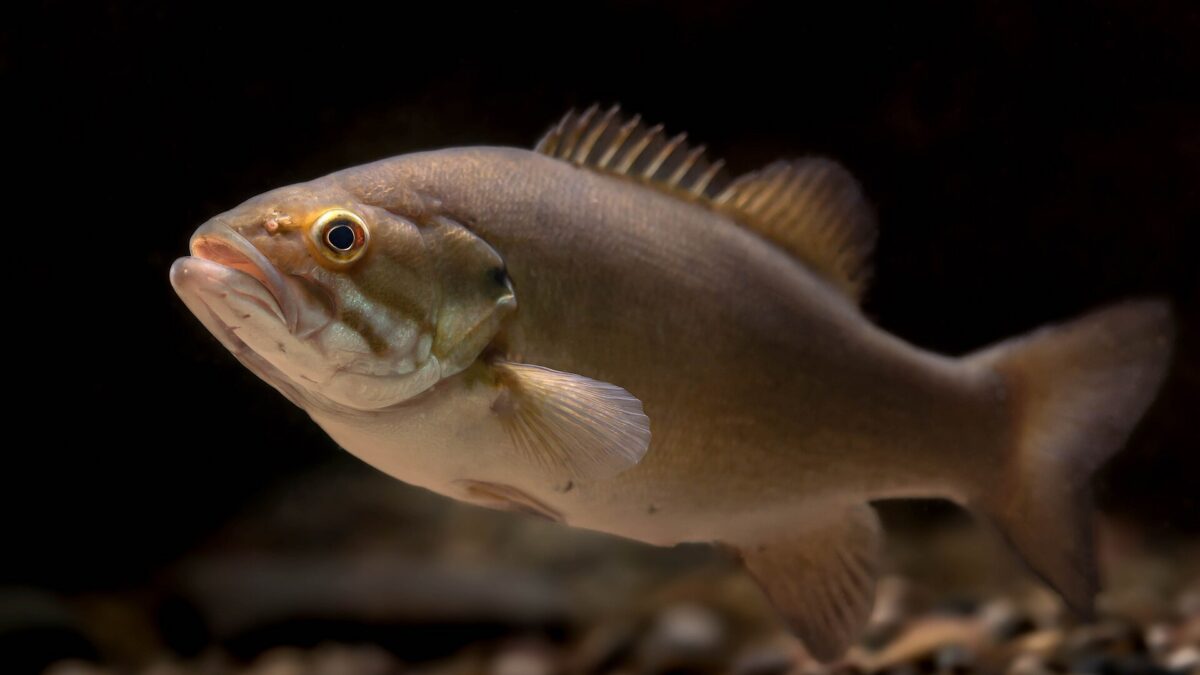
The smallmouth bass is a bronze to brown black bass with dark vertical bars, often red eyes, and a jaw that stops around the middle of the eye. It prefers clear, cool water with rock and gravel, in Northern lakes, the Great Lakes, highland reservoirs and flowing rivers. Crayfish are its favorite food, and the best way to catch one is to fish rocky bottom with a tube, a Ned rig, a drop shot or a jerkbait.
How to identify a smallmouth bass
- Color: bronze, brown or olive-green, sometimes almost gold. Many anglers call them “bronzebacks.” Fish can darken or lighten quickly to match their surroundings.
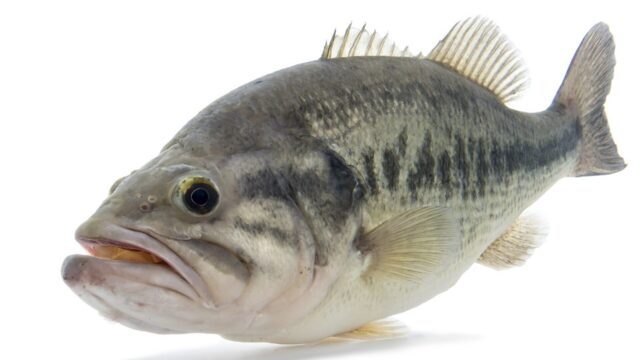
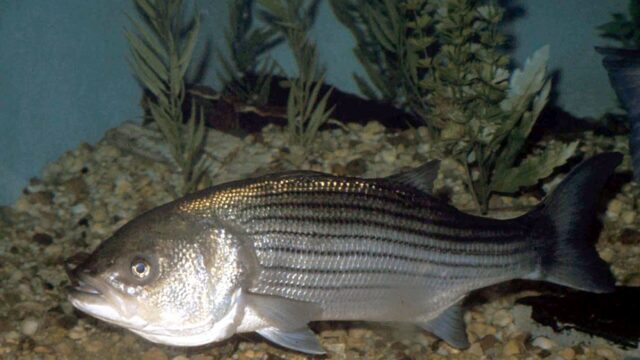
- Bars, not a stripe: dark vertical bars or blotches along the side, which can fade when the fish is stressed. Largemouth have a horizontal stripe instead.
- Head: usually three dark stripes radiate back from the eye across the cheek, and the eye is often reddish.
- Jaw: with the mouth closed, the upper jaw reaches only to about the middle of the eye. A largemouth’s jaw goes past the eye.
- Dorsal fin: the spiny and soft sections are joined with only a shallow notch.
If you still aren’t sure, our guide to largemouth vs smallmouth bass compares the two point by point. Smallmouth can also hybridize with spotted bass and with introduced Alabama bass in parts of the South.
Where smallmouth bass live
Smallmouth are native to the Great Lakes and St. Lawrence region, the Hudson Bay drainage of the Red River and much of the Mississippi River basin, south to northern Alabama and eastern Oklahoma. They have been stocked well beyond that range, including many Western rivers and reservoirs. See the USGS species fact sheet for maps.
In parts of the West, smallmouth are non-native predators that eat native fish and young salmon, and where they are non-native, agencies may set liberal limits or encourage anglers to keep them. Rules differ sharply from water to water, so always read the local regulations.
Typical smallmouth water looks like this:
- Natural lakes: clear Northern lakes with rocky points, boulders, gravel bars, reefs and sand-to-rock transitions.
- The Great Lakes: rock piles, reefs, harbor walls and shoals; some of the best smallmouth fishing in the country.
- Reservoirs: deeper, clearer highland lakes with rocky bluffs, points and channel swings.
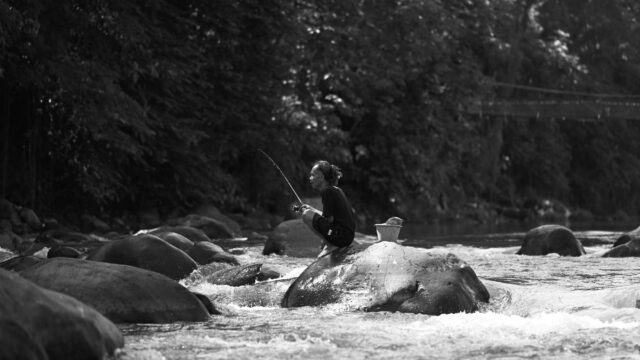
- Rivers and streams: medium to large rivers with current, rock, gravel runs and pools. River smallmouth often live within a few neighboring pools for long periods.
Compared with largemouth, smallmouth tolerate current better and prefer cooler water, and they relate more to rock and hard bottom than to thick weeds.
What smallmouth bass eat
Young smallmouth eat tiny crustaceans, aquatic insects and fish larvae. Adults eat mostly crayfish and small fish such as minnows, darters, shiners, young perch and sunfish, plus hellgrammites, leeches and other large insect larvae.
In the Great Lakes, the invasive round goby has become a major food. Research in eastern Lake Erie found that gobies became the dominant prey of smallmouth soon after they arrived, replacing crayfish as the most common item, and that young bass grew faster afterward. That’s why goby-colored tubes and drop-shot baits are so popular there.
Smallmouth through the seasons
| Season | Typical water temperature | Where to look |
|---|---|---|
| Winter | Below about 45°F | Deep wintering holes in rivers; steep rocky drops and deep basins in lakes; very slow feeding |
| Pre-spawn | About 45–58°F | Moving toward shallow gravel and rock flats; staging on the first break nearby |
| Spawn | About 58–65°F | Gravel nests in protected areas, sometimes several feet deep in clear lakes; male guards eggs and fry |
| Summer | About 65–80°F | Rocky points, reefs, humps and deeper breaks in lakes; riffles, current seams and shaded pools in rivers |
| Fall | Cooling into the 50s°F | Following baitfish on points and flats; feeding heavily before moving deep for winter |
State agencies report that smallmouth usually begin nesting when water reaches about 60°F, although spawning has been recorded in somewhat cooler water. The male builds a gravel nest, guards the eggs until they hatch in a few days, and then watches over the fry for a while longer. Some states close or restrict bass harvest during this period, so check your local rules.
How to catch smallmouth bass
Smallmouth are known for strong runs and frequent jumps, and they often live in clear water where they get a good look at your bait. Light line and natural colors help. These baits cover most situations:
- Tube jig: a hollow soft plastic on an internal jighead that mimics a crayfish or goby when hopped or dragged on rock.
- Ned rig: a small, buoyant plastic on a light mushroom-style jighead, crawled slowly along the bottom. See our Ned rig guide.
- Drop shot: a small plastic held just off the bottom, ideal for deeper or pressured fish in clear water. Our drop shot rig guide covers setup.
- Jerkbait: a suspending minnow bait, especially good in cold, clear water in late fall, winter and early spring.
- Crankbaits and topwaters: craw-colored crankbaits on rocky banks and walking baits or poppers in calm summer mornings.
A 6’6″ to 7′ medium-light or medium spinning rod with 6- to 10-pound fluorocarbon, or light braid with a fluorocarbon leader, handles most of this. Our smallmouth fishing tips go deeper into lakes vs rivers, depth by season, wind and current.
Size and records
Smallmouth are generally smaller than largemouth. In many waters, typical fish run about 10 to 18 inches and half a pound to 2 pounds, and anything over 4 pounds is a fish to remember. The International Game Fish Association’s all-tackle record is David Hayes’s 11-pound, 15-ounce smallmouth from Dale Hollow Lake on the Kentucky–Tennessee line, caught in 1955. The record was rescinded in 1996 after a challenge and reinstated in 2005.
Regulations
Bass seasons, size limits and bag limits vary by state and by water. Some Northern states have catch-and-release-only or closed periods for bass in spring; Western waters where smallmouth are non-native may have liberal limits. Check your state wildlife agency’s current rules before keeping any fish.
Bottom line
Smallmouth are the bronze, vertically barred bass of clear, cool, rocky water. Their jaw stops at about the middle of the eye, they eat mostly crayfish and small fish (and gobies in the Great Lakes), and they spawn on gravel when water nears 60°F. Fish rock and current with tubes, Ned rigs, drop shots and jerkbaits on light line, and follow them from shallow flats in spring to deeper structure in summer and winter.
FAQ
Are smallmouth bass harder to catch than largemouth?
Not necessarily, but they often live in clearer water and roam more, so finesse baits, lighter line and covering water to find schools matter more. When you find one, there are often more nearby.
What is the best bait for smallmouth bass?
Anything that looks like a crayfish or a small baitfish. Tubes, Ned rigs and drop-shot plastics in green pumpkin, brown or goby colors are reliable starting points on rocky bottom.
Do smallmouth bass live in ponds?
Rarely. Most small, warm ponds are better suited to largemouth. Smallmouth need cooler, clearer, well-oxygenated water with rock or gravel, which is more typical of lakes and rivers.
What water temperature do smallmouth spawn at?
Nesting usually begins around 60°F, with most spawning in the high 50s to mid-60s°F, though fish have been found spawning in cooler water.