Taking Kids Fishing: Easy Spots, Simple Gear, Safety and Keeping It Fun
The secret to a good first trip is lots of bites, not big fish. Here's where to go, what to bring and how to keep kids safe and having fun.
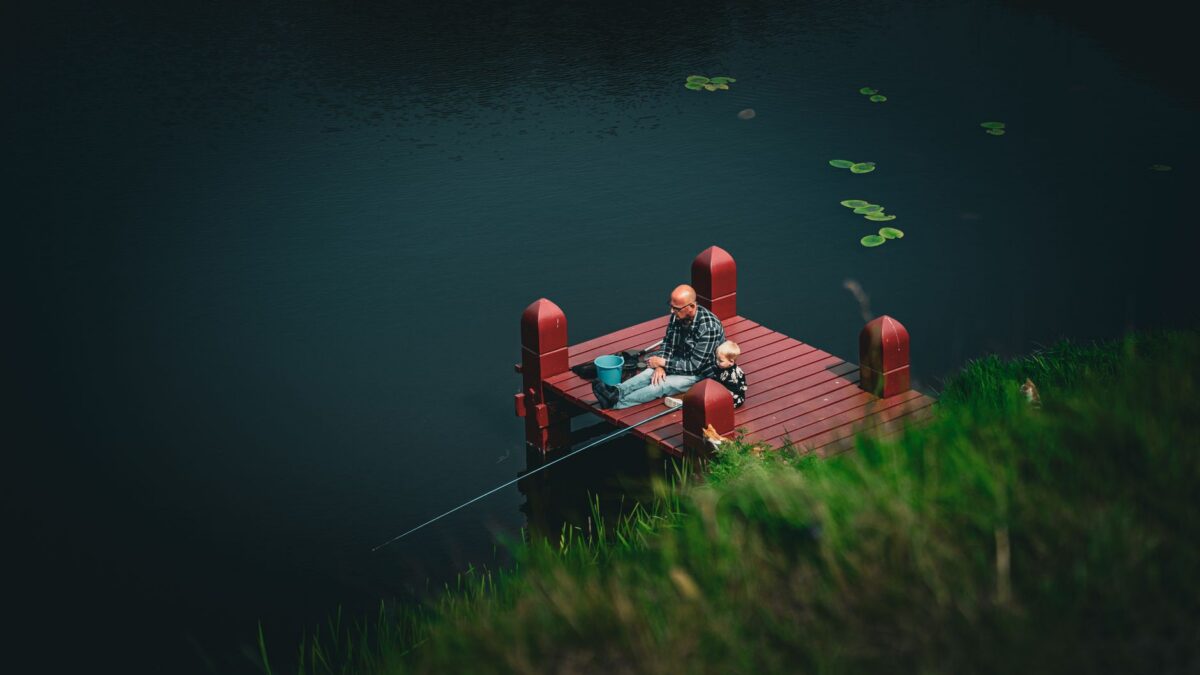
For a successful trip with kids, go where small fish bite often, such as a sunfish pond, a park lake or a public fishing pier. Bring a simple rod with a bobber, small hook and worms, put a life jacket on young children near the water, and keep the outing short. Success means action and fun, not size: a dozen bluegill beat one big bass after three hours of waiting.
Pick the right place
The best kids’ spots combine willing fish with easy, safe access. Look for:
- Ponds and small park lakes with docks, piers or open, flat banks.
- Fishing piers with railings, which keep kids back from the edge.
- Stocked waters and youth events. Many state agencies and parks stock ponds and run kids’ fishing days; check your state wildlife agency’s events calendar.
- Restrooms, shade and parking nearby. They matter more than you think with small children.
Avoid steep or muddy banks, rocks covered in algae, dams, spillways and fast current. For tips on reading small water, our guide to pond fishing shows where fish hold along edges and cover.
Start with easy species
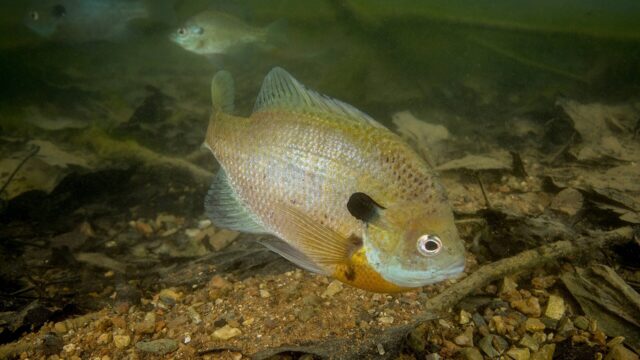
- Bluegill and other sunfish are the classic first fish: plentiful, close to shore and eager to bite in warm months. See our bluegill fishing guide.
- Yellow perch and crappie school up, so where you catch one, you’ll often catch more.
- Stocked trout in spring and fall in many states bite well on bait shortly after stocking.
- Bullheads and small catfish bite on worms on the bottom, especially in the evening.
- Small bass are a fun bonus in ponds, but don’t plan the whole trip around them.
Keep the gear simple
| Age (rough guide) | Setup | What they can do |
|---|---|---|
| About 3 to 5 | Short spincast (push-button) combo, bobber already rigged | Reel in, watch the bobber; adult casts and handles hooks |
| About 6 to 9 | Spincast or small spinning combo, 4 to 6 ft rod | Short casts, help bait the hook with supervision |
| About 10 and up | Light spinning combo with 4- to 8-pound line | Cast, tie a simple knot, unhook small fish |
Children develop at different rates, so go by your kid, not the chart. For terminal tackle, bring small hooks (about size 6 to 10), split shot, a few small bobbers and a container of worms or crickets. Leave lures with treble hooks at home for young children; single hooks are safer and easier to remove.
Pre-rig before you go
Tie on hooks, add split shot and set bobbers at home. Bring one or two spare rigged rods. Tangles are part of fishing with kids, and swapping in a ready rod beats untangling while a child waits.
Safety first
Life jackets
Under a federal rule, children under 13 must wear a properly fitted, Coast Guard-approved life jacket on a recreational boat that is underway, unless they are below deck or in an enclosed cabin. Many states have set their own age and rules, which apply on their waters. On the bank or a dock, a life jacket for young children and non-swimmers is simply good sense, especially around deep water or steep edges. Make sure it fits snugly and is sized by the child’s weight.
Hooks and casting
- Pinch hook barbs flat with pliers; barbless hooks are easier to remove from fish, clothing and skin.
- Teach the “look behind you before you cast” rule, and keep other kids well back from someone casting.
- Have kids wear sunglasses or safety glasses and a hat to protect against flying hooks and sun.
- An adult should handle hooks and unhook fish for young children. Watch for fin spines on sunfish, perch and catfish.
Weather and comfort
- Bring sunscreen, water, snacks, bug spray and an extra layer.
- If you hear thunder, leave the water and go to a building or a hard-topped vehicle.
- Pack hand wipes or soap and wash hands after handling bait and fish.
- Carry a small first-aid kit.
Keep it fun
- Short trips. An hour or two is plenty for young kids. End the trip before they ask to leave.
- Let them do the fun parts: reeling in, watching the bobber, releasing the fish.
- Plan for breaks. A small net for catching minnows or looking at bugs, frogs and turtles keeps kids engaged when the fish are slow.
- Celebrate every fish. Take photos, count the catch, measure them.
- Teach respect. Show kids how to wet their hands, handle fish gently and release them, and to pack out trash and old fishing line.
- Bring snacks. Seriously, bring snacks.
Licenses and rules
In most states, children under about 16 can fish without a license, but the age and details vary. Adults who help cast, bait or reel are generally considered to be fishing and need their own license. Every state also has at least one free fishing day a year; takemefishing.org keeps a list of free fishing days, and they make a great first-trip date. Size and bag limits still apply to kids. For details, see how to get a fishing license and check your state wildlife agency’s current rules.
Bottom line
Take kids where small fish bite often, keep the gear simple and pre-rigged, and put safety first: life jackets near water, barbless hooks, eye protection and an eye on the weather. Keep the trip short, let them do the fun parts, and celebrate every fish. A kid who has fun on the first trip will want to go again.
FAQ
What age can kids start fishing?
Many kids enjoy watching a bobber and reeling in fish by age 3 or 4 with an adult doing the casting and hook handling. Casting on their own usually comes a few years later.
What is the best fish for kids to catch?
Bluegill and other sunfish. They’re common in ponds and lakes, live close to shore and bite readily on worms under a bobber in warm weather.
Do kids need a life jacket when fishing from shore?
The federal under-13 rule applies on boats underway, and state rules vary. From shore or a dock, a life jacket is still a smart choice for young children and non-swimmers near deep water.
What fishing rod is best for a young child?
A short spincast (push-button) combo is easiest for young kids because the reel is simple to cast and rarely tangles. Older kids can move to a light spinning outfit.