Pond Bass Fishing: How to Read Small Water and Catch More Bass
Ponds are the easiest place to learn bass fishing, but small water rewards a quiet approach. Here's where pond bass hold and how to fish them season by season.
To catch bass in a pond, walk the bank quietly and fish the spots that stand out: weed edges, wood, the deepest end (often by the dam), inflows, shade and corners. Start with a Texas-rigged worm or a weightless stick bait, add a spinnerbait or square-bill to cover water and a frog for summer weeds, and fish early and late on hot days. Always get permission on private ponds and follow the owner’s or the park’s rules.
Why ponds are great for bass fishing
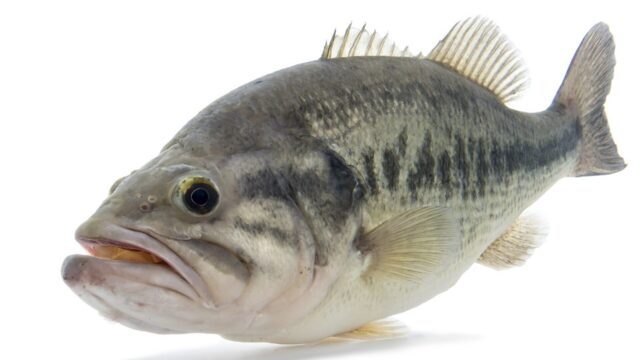
Most ponds in the US that hold bass are largemouth waters, often stocked with bluegill as forage. Ponds are small, so you can fish the whole shoreline in an hour or two. Bass have fewer places to hide, and in many lightly fished ponds they’re aggressive. The flip side: bass in small, clear water spook easily, and heavily fished public ponds can be tough.
How to read a pond
Even a featureless-looking pond has spots that hold more fish. Before you cast, take a minute to look around:
- The dam or deep end: many farm ponds are deepest near the dam. Bass use this area in summer heat and winter cold, and in spring the dam’s riprap warms quickly.
- Inflows: a creek, ditch, pipe or spring brings oxygen, food and different temperature water, especially after rain.
- Outflow or spillway: current and the deeper water near it can hold fish (stay safely away from spillway drains).
- Weeds: the outside edge, inside edge, holes and points of weed beds; lily pads and cattails along the bank.
- Wood: fallen trees, stumps, brush and overhanging limbs.
- Docks and piers: shade and cover in an otherwise open pond.
- Corners and points: pond corners often have a slight point or a change in depth.
- Shade lines: trees on the bank shade the water in the morning or afternoon.
If you can see the bottom, look for changes: where gravel meets mud, where a shallow shelf drops off, or where weeds stop. Polarized sunglasses help a lot.
The best lures for pond bass
| Lure | Where in the pond | Best season |
|---|---|---|
| Texas-rigged worm | Weeds, wood, deep end, around docks | Year-round |
| Weightless stick bait (wacky or Texas) | Edges, shallow cover, spawning areas | Spring and summer |
| Spinnerbait or small bladed jig | Weed edges, banks, windy side | Spring and fall |
| Square-bill crankbait | Shallow wood and rock, dam riprap | Spring and fall |
| Hollow-body frog | Over lily pads and weed mats | Summer |
| Popper or walking bait | Calm water near cover | Late spring through early fall |
| Ned rig or small jig | Clear, pressured ponds; cold water | Fall through spring |
Our guides to the wacky rig and topwater lures explain how to rig and work these baits. In small ponds, lighter gear often helps: a 6’6″ to 7′ medium spinning rod with 8- to 12-pound line handles most situations, with a heavier rod and braid for frogs over thick weeds.
Pond bass by season
Spring
Ponds warm faster than big lakes, so bass move shallow early. Fish the north side (it gets more sun in the Northern Hemisphere) and protected, shallow coves first. Pre-spawn fish bite crankbaits, spinnerbaits and jigs; spawning fish use shallow, firm-bottomed areas. Release spawning bass quickly and check whether your state has spawning-season rules.
Summer
Fish at dawn, dusk and, where allowed, at night. At midday, bass hold in thick weeds, under mats, in shade or in the deepest water. A frog over the weeds or a weightless worm in the shade can save a hot afternoon. Many ponds develop low oxygen in deeper water in summer, so bass may not be as deep as you’d expect.
Fall
As water cools, bass feed heavily and roam the pond chasing small bluegill and minnows. Cover water with spinnerbaits, square-bills and swimbaits.
Winter
Slow down. Fish the deepest water with a jig, a Ned rig or a slowly worked worm, and target the warmest part of sunny afternoons. On ponds that freeze, ice fishing may be possible, but only where ice is confirmed safe; no ice is ever completely safe.
Pond fishing tips
- Approach quietly: stay back from the edge, keep a low profile and avoid heavy footsteps on soft banks.
- Cast parallel to the bank before casting out; many pond bass sit right on the edge.
- Fish the windy side when there is a breeze.
- Make fewer, more accurate casts to each spot, then move on.
- Try finesse on pressured public ponds: smaller worms, lighter line, natural colors.
Etiquette on private and public ponds
- Ask permission before fishing any private pond, and respect the answer. Fishing without permission is trespassing.
- Follow the owner’s rules on catch-and-release or harvest. Owners often manage their ponds carefully. Some want certain fish released; others want small bass removed to keep the population balanced, since a pond with too many bass can end up with lots of small, thin fish.
- Never move fish or bait into a pond. It can upset the balance, spread disease and may be illegal.
- Leave gates as you found them, stay off crops, don’t drive on soft ground, and pack out every bit of line and trash.
- On public ponds, follow posted rules. Many community fishing lakes have special limits, such as reduced bag limits or catch-and-release for bass.
- Have a license. Many states require a fishing license even on private ponds unless an exemption applies; check your state’s rules.
Ponds are also the best place to take kids fishing; our guide to fishing with kids has tips for keeping it fun and safe.
Bottom line
Pond bass relate to the few features small water offers: weeds, wood, the deep end, inflows, docks, corners and shade. Walk quietly, cast parallel to the bank, start with a Texas-rigged worm or weightless stick bait, and change depth and lure with the season. Get permission, follow the owner’s or park’s rules, and leave the pond better than you found it.
FAQ
What is the best bait for pond bass?
A soft plastic worm, Texas-rigged or wacky-rigged, in green pumpkin or black. Live nightcrawlers also work where live bait is allowed, but they catch many small sunfish too.
Where do bass go in a pond in summer?
Into the thickest weeds, shade and the deepest part of the pond during the day, then shallower to feed at dawn, dusk and night.
Why does my pond only have small bass?
Often because there are too many bass for the available food. Pond-management guides commonly recommend harvesting some small bass in that situation, but it depends on the pond, so the owner should follow a management plan.
Do I need a license to fish a private pond?
It depends on the state. Some exempt private ponds or landowners, and others don’t. Check your state wildlife agency’s rules.