How to Fish a Ned Rig: Jighead Weights, Baits and the Retrieves That Work
The Ned rig looks too small and too simple to work, which is exactly why it catches bass when bigger lures don't. Here's how to set it up and fish it.
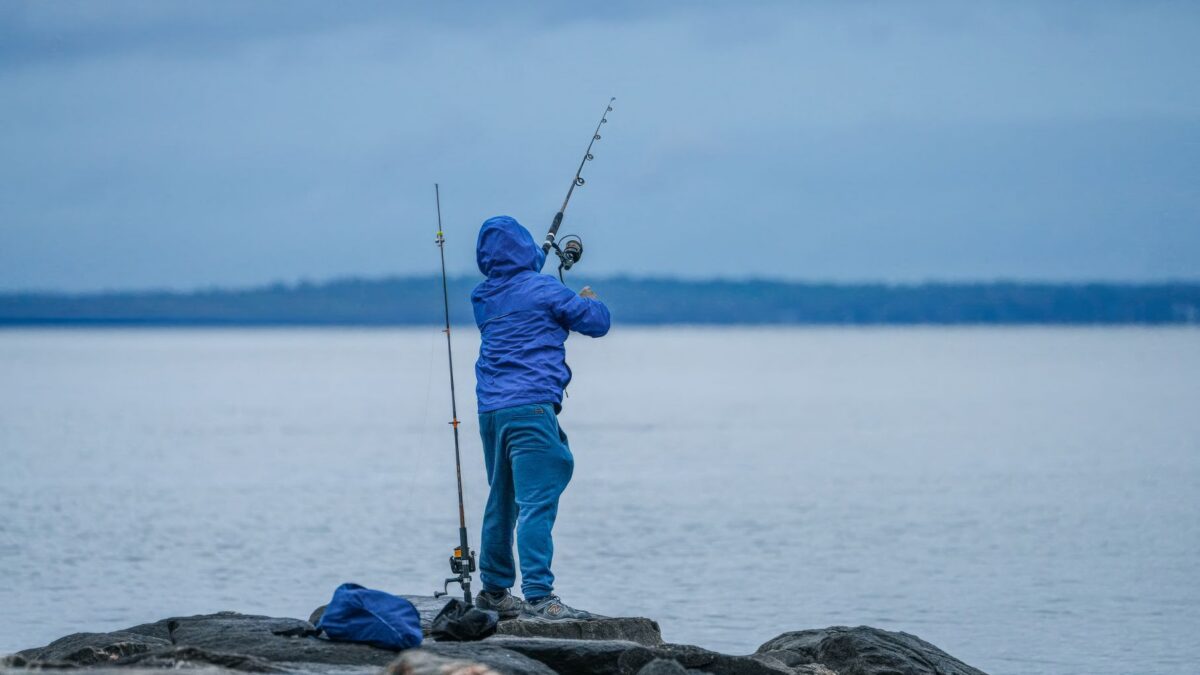
A Ned rig is a short soft plastic, usually around 2.5–3 in, on a light mushroom-shaped jighead of roughly 1/20 to 1/5 oz. Fish it on a light spinning outfit and work it slowly near the bottom: let it sink, then swim, glide, drag or gently shake it back. It catches bass of all kinds, but it is especially effective for smallmouth on rocky, clear lakes and rivers and on any water where fish are pressured or sluggish.
Where the Ned rig came from
The rig is named for Ned Kehde, a Kansas fishing writer associated with what’s often called Midwest finesse fishing: small baits on light jigheads, worked slowly. Accounts of its history credit earlier anglers with similar ideas, but Kehde and his fishing partners refined and popularized it. Early versions used stick worms cut in half; Z-Man later produced the 2.75 in Finesse TRD specifically for the technique, and many companies now sell Ned-style baits and heads.
The parts of a Ned rig
Jighead
A Ned head is a small mushroom or round head with an exposed, fairly light-wire hook. The flat back of a mushroom head sits flush against the bait. Light weights are the point: they make the bait fall slowly and glide rather than plummet.
| Jighead weight | Typical use |
|---|---|
| About 1/20–1/15 oz | Shallow water (roughly under 6 ft), calm days, very slow fall |
| About 1/10 oz | The everyday choice for roughly 5–12 ft |
| About 1/6–1/5 oz | Deeper water, wind, current or when you need to stay in contact with the bottom |
For snaggy rock or wood, weedless Ned heads with a light wire guard are available, at the cost of slightly fewer hookups.
Bait
The classic bait is a short, thick stick shape, but small craws, finesse worms and little minnow shapes work too. Many Ned baits are made of buoyant, stretchy materials, so the tail floats up off the bottom while the head rests on it, which looks like a feeding crayfish or goby. These materials are very durable, but some manufacturers warn they can react with ordinary soft plastics, so store them in their own packages or a separate box.
Rod, reel and line
- Rod: about 6 ft 8 in to 7 ft 1 in, medium-light, fast or extra-fast action spinning rod.
- Reel: a small or mid-size spinning reel with a smooth drag.
- Line: 8–15 lb braid with a 6–10 lb fluorocarbon leader, or 6–8 lb fluorocarbon straight. Braid makes the light head easier to feel. Our guide to choosing fishing line explains the trade-offs.
How to rig it
- Tie the jighead to your line or leader with an improved clinch, Palomar or similar knot.
- Push the hook point into the center of the bait’s flat end.
- Thread the bait up the hook shank, keeping it straight, until it sits snug against the head.
- Bring the hook point out the top of the bait so the point rides up.
- Check that the bait lies straight. A small dab of soft-plastic glue at the head helps if baits slide down.
The retrieves that work
Kehde and other Midwest finesse anglers describe several retrieves. These four cover most situations:
- Swim, glide and shake: cast, let it sink, then reel slowly so it swims just above the bottom. Stop reeling and let it glide down, shaking the rod tip gently at times. This is the go-to retrieve on many lakes.
- Hop and bounce: turn the reel handle a couple of times so the bait lifts off the bottom, then let it fall back on a semi-slack line. Good on rocky points and steeper banks.
- Drag and shake: with the rod low, slowly drag the bait along the bottom, adding small shakes. Best when fish want something barely moving, such as after a cold front.
- Deadstick: let the bait sit still for several seconds between drags. The buoyant tail keeps moving slightly even when you don’t.
Whatever the retrieve, slow is usually better. If you feel the head ticking rocks constantly, you’re in the right zone. If it’s hanging up, swim it a bit higher or switch to a lighter head.
Why it works so well for smallmouth
Smallmouth spend much of their time around rock, gravel and sparse grass, feeding on crayfish, small baitfish and, in some waters, gobies. A Ned rig crawling over that bottom with its tail up looks a lot like those prey items. Its small size suits clear water, where fish get a long look, and pressured fisheries where bass have seen plenty of bigger lures. It also keeps catching fish when conditions turn tough, which is why it is a favorite after cold fronts and in cool water. See our smallmouth bass fishing tips for where to find them by season, and fishing after a cold front for tough days.
Largemouth eat it too, especially around docks, sparse grass and rocky banks. The main limit is heavy cover: the exposed hook snags in thick wood and matted vegetation.
Setting the hook and landing fish
Bites usually feel like a light tap, a sudden weight or the line moving sideways. Because the hook is exposed and light, you don’t need a big swing. Reel until you feel the fish and sweep the rod steadily. Keep the drag set fairly light and avoid horsing fish; the thin hook can bend under too much pressure. If you’re catching big fish around heavy cover, a slightly heavier-wire head is worth the trade-off.
Bottom line
Put a 2.5–3 in buoyant soft plastic on a 1/10 oz mushroom jighead, fish it on a medium-light spinning rod with light braid and a fluorocarbon leader, and keep it slow and near the bottom. Change head weight for depth and wind. When bass are pressured, the water is clear or a front has shut down the bite, the Ned rig is one of the most reliable ways to keep catching fish.
FAQ
What weight jighead is best for a Ned rig?
About 1/10 oz is the most versatile. Use 1/20–1/15 oz in shallow, calm water and 1/6–1/5 oz in deeper water, wind or current.
What is the best bait for a Ned rig?
A short, buoyant stick-shaped bait of about 2.5–3 in is the classic choice. Small craws and finesse worms also work. Natural colors like green pumpkin and brown are a good start.
Can I fish a Ned rig on a baitcaster?
It’s possible with heavier heads, but light Ned heads are much easier to cast and feel on spinning tackle.
Does the Ned rig work for largemouth bass?
Yes. It’s most famous for smallmouth, but largemouth readily eat it around docks, rocky banks and sparse grass, especially when the bite is slow.