How to Fish a Jig for Bass: Football, Flipping and Swim Jigs Explained
The jig is a big-bass lure, but only if you can feel the bite. Here's how to choose the right type and weight, pick a trailer and work it effectively.
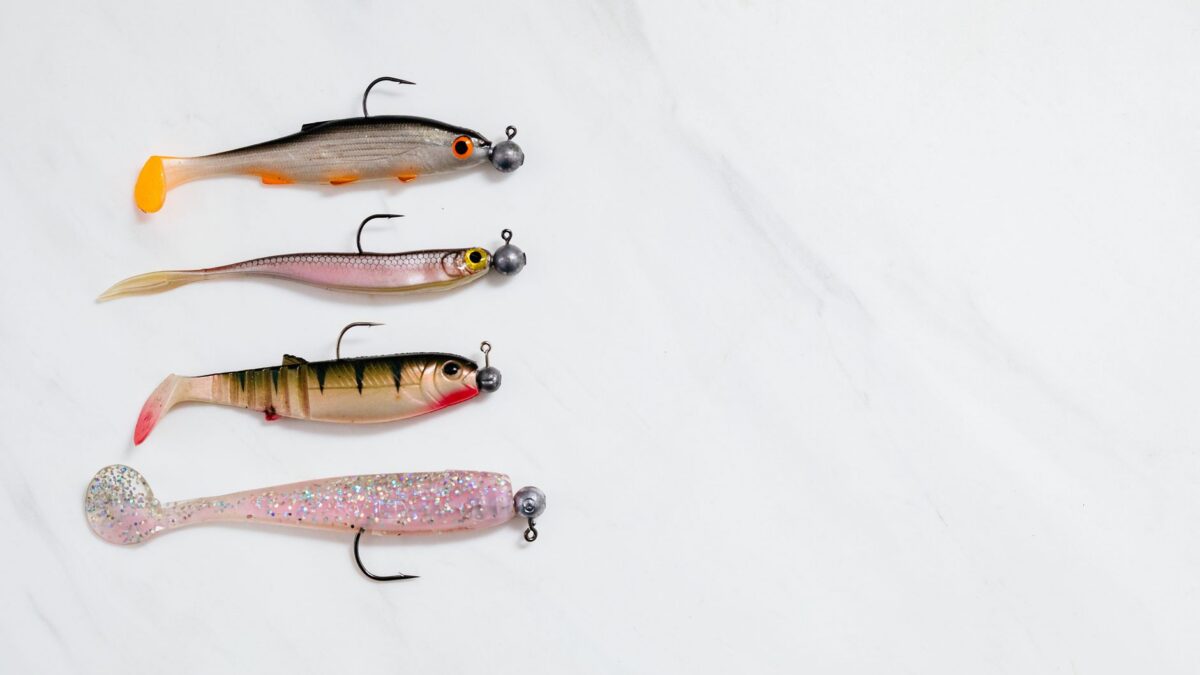
To fish a jig for bass, start with a 3/8–1/2 oz skirted jig and a soft plastic craw trailer, let it sink to the bottom near cover, then slowly hop or drag it back. Most bites come as the jig falls or sits still, and they’re often subtle: a light tick, the line jumping, or a heavy, mushy feeling. When you notice anything different, reel down and set the hook hard. Choose a football jig for rock, a flipping jig for wood and grass, a swim jig for shallow cover and a finesse jig for clear or cold water.
The four main jig types
| Type | Typical weight | Best for | Usual retrieve |
|---|---|---|---|
| Football jig | About 1/2–1 oz | Rock, gravel, ledges, deep points | Drag and hop along bottom |
| Flipping/casting jig | About 3/8–1 oz | Wood, docks, brush, grass | Pitch, let fall, short hops |
| Swim jig | About 1/4–1/2 oz | Grass edges, shallow wood, docks | Steady swim with twitches |
| Finesse jig | About 1/8–5/16 oz | Clear water, cold water, pressured fish | Slow drag, small hops |
Football jigs
The wide, football-shaped head rocks side to side as you drag it over rock, kicking up silt and imitating a crayfish. It’s less snag-prone in rock than a pointed head because it rolls over rather than wedging. It’s a staple for offshore ledges and deep points in summer.
Flipping and casting jigs
These have a more compact head, a stout hook and a thick fiber weedguard so they can be pitched into brush, laydowns, dock posts and grass. They’re the classic big-fish jig in shallow cover. Our guide to flipping and pitching covers the short, quiet casts used to put them in tight spots.
Swim jigs
Swim jigs have a pointed head with the line tie at the tip so they come through grass cleanly, plus a lighter weedguard. Reel them steadily along grass lines, past laydowns and under docks like a baitfish or bluegill, adding occasional twitches.
Finesse jigs
Smaller jigs with thinner skirts and lighter hooks, often fished on spinning gear. They’re a strong option in cold, clear water and on pressured lakes, and for smallmouth and spotted bass.
Choosing a trailer
The trailer adds bulk, action and controls how fast the jig falls.
- Craw trailers: claws that flap as the jig falls and hops. The all-around choice for flipping and football jigs.
- Chunk trailers: compact, flat and buoyant, slowing the fall. Good in cold water when bass want a slower presentation.
- Paddle-tail swimbaits: the standard on swim jigs, adding a swimming kick.
- Creature baits: extra appendages for a bulkier profile and more movement.
A bigger, bulkier trailer means a slower fall; a slim trailer lets the jig drop faster, which can trigger reaction bites in warm water.
How to work a jig
Hopping
Let the jig hit bottom, lift the rod tip from about 9 to 11 o’clock so the jig jumps a foot or two, then lower the rod and let the jig fall on a semi-slack line. Reel up slack and repeat. Watch the line during each fall; this is when many bites happen.
Dragging
Hold the rod low and sweep it slowly to the side so the jig crawls along the bottom. This is the go-to approach in cold water and on rocky ledges, where bass often want something slow that looks like a crayfish.
Swimming
For swim jigs, cast past the target and reel steadily, keeping the jig a foot or two below the surface or just over the top of grass. Add a twitch when it passes cover.
In general, hop and swim in warm water, drag in cold. Jigs are one of the best cold-water lures; see winter bass fishing for where bass go and how slow to fish.
Feeling the bite
Jig bites can be anything from a hard thump to almost nothing. Signs to watch for:
- A sharp tick or tap through the line.
- The line jumping or twitching on the fall.
- The line moving sideways or swimming off.
- A heavy, spongy feeling when you lift the rod.
- The jig doesn’t hit bottom when it should have.
When you notice any of these, reel down quickly until the line is tight and set the hook hard with an upward sweep. A jig hook has to pierce the fiber weedguard and get into a bony jaw, so it needs a firmer set than a light-wire finesse hook. Our article on how to set the hook explains the difference.
Rod, reel and line
- Rod: about 7 to 7.5 ft, medium-heavy to heavy with a fast action for flipping and football jigs; medium or medium-heavy for swim jigs; medium-light to medium spinning rods for finesse jigs.
- Reel: a casting reel with a fairly fast gear ratio (around 7:1 or higher) helps pick up slack quickly when a fish bites.
- Line: 15–20 lb fluorocarbon for most open-water jig fishing; 50–65 lb braid for heavy grass and thick cover. Read more in how to choose fishing line.
Colors
Keep it simple: green pumpkin and brown for clear water and crayfish-heavy lakes; black and blue for stained or muddy water and low light. For swim jigs, white and bluegill-type colors imitate common baitfish.
Bottom line
Pick the jig for the cover: football for rock, flipping jig for wood and grass, swim jig for shallow cover and finesse jig for clear or cold water. Add a craw or chunk trailer, keep it near the bottom with slow hops or drags, watch your line on every fall and set the hook firmly at any change you notice.
FAQ
What size jig is best for bass?
A 3/8 or 1/2 oz jig covers most situations in water up to about 15 ft. Go heavier (3/4–1 oz) for deep water or thick cover and lighter for shallow or clear water.
What is the best jig trailer?
A soft plastic craw is the most versatile. Use a chunk for a slower fall in cold water and a paddle-tail swimbait on swim jigs.
Why do I keep missing bites on a jig?
Usually slack line or a weak hookset. Reel down until the line is tight before you swing, and use a stiff rod and low-stretch line.
Can I fish a jig on spinning gear?
Yes, light finesse jigs are made for spinning tackle. Heavier flipping and football jigs are easier to handle on a medium-heavy casting setup.