Fishing After a Cold Front: How to Catch Bass Under Bluebird Skies
The day after a cold front, with blue skies and a chilly wind, is one of the toughest days in bass fishing. Here is why, and how to adjust.

After a cold front passes, bass usually hold tighter to cover or drop to the nearest deeper water, and they bite less aggressively. To catch them, slow down, use smaller or more subtle lures, make accurate casts right into thick cover and shade, and give fish several looks at the bait. The afternoon is often better than the morning, and the bite usually improves as the weather stabilizes over the next day or two.
What a cold front actually changes
A cold front is the leading edge of a cooler, drier air mass. The sequence on the water is fairly predictable:
- Before the front: often warm, humid and cloudy, with wind from a southerly direction. Many anglers find bass feed well during this period.
- As the front passes: the wind shifts, often to the northwest or north, and storms or rain are common. Barometric pressure begins to rise.
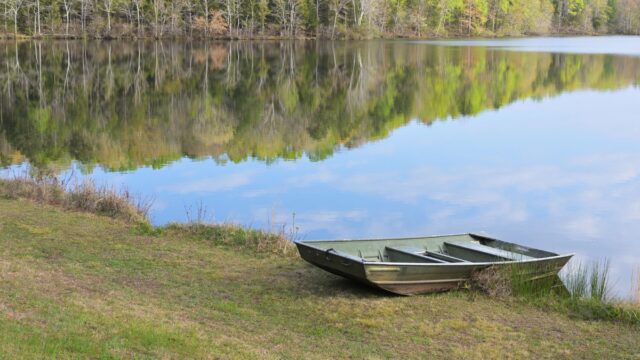
- After the front: skies clear quickly, the air turns cooler and drier, and the wind can stay strong and gusty from the north or northwest. This is the classic “bluebird” day: bright sun, deep blue sky and few clouds.
For bass, the most obvious changes are bright light penetrating clear water, a drop in shallow water temperature, especially in spring and fall, and sometimes rough, cold wind.
Why bass get tight to cover
Under bright, clear skies, shallow bass are easier to see and have less of an ambush advantage, so they tend to tuck into the shade of cover or slide a little deeper. Cooler shallow water also slows them down. The result is fish that are in or near the same areas as before the front, but in tighter, darker, more protected spots and less willing to chase.
You will often hear that bass react to rising barometric pressure through their swim bladders. That idea is widely repeated, but solid research showing how pressure itself affects bass behavior is thin. It is more useful to focus on things you can observe: light, water temperature, wind and where the fish are holding.
Where to look after a front
- Thick cover: grass mats, brush, laydowns and dense reeds, where bass can sit in the shade.
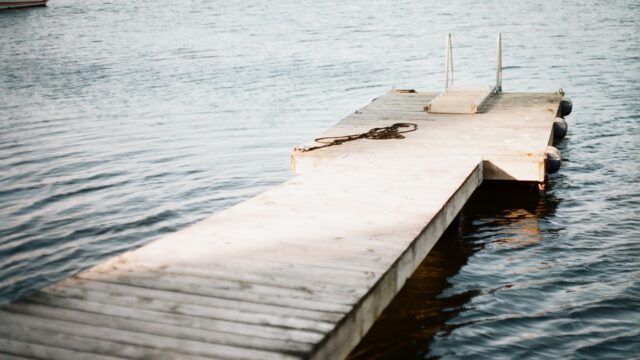
- Docks and other overhead cover, especially on the shady side.
- The first drop-off next to the shallow areas where fish were before the front.
- Vertical cover such as bridge pilings, bluffs and standing timber, where fish can change depth without moving far.
- Wind-protected areas on very cold, gusty days, which warm a bit faster in the afternoon.
Start where you found fish before the front, then work tighter to cover or a little deeper until you get bites.
How to fish after a cold front
Slow down
Fish that won’t chase can still be caught with a bait that stays in front of them. Drag, crawl and shake soft plastics, and let jigs sit on the bottom for a few seconds before moving them.
Downsize
Smaller and more subtle lures often get more bites: a Ned rig, a drop shot, a wacky-rigged stick bait, a smaller jig or a lighter weight that slows the fall. Lighter line can help in clear water.
Get into the cover
Instead of casting near cover, put the bait into it. Flipping and pitching a jig or Texas-rigged soft plastic into mats, bushes and wood reaches fish that won’t move out. Make several casts to the best-looking spots.
Use slow-moving reaction baits in cold water
In early spring, late fall and winter, a suspending jerkbait with long pauses can work well after a front, because it hangs in front of cold, sluggish fish.
Quick adjustments by situation
| Situation | Adjustment |
|---|---|
| Bright sun, flat calm | Fish shade and thick cover; flip and pitch; use finesse rigs on nearby breaks |
| Strong cold wind | Fish protected pockets, or use the wind to drift with heavier baits |
| Short strikes | Smaller bait, slower retrieve, lighter line; pause longer |
| Fish visible but not biting | Change angle, downsize, try a finesse rig, come back later |
| Second or third day after the front | Gradually return to moving baits as weather stabilizes and water warms |
Timing after a front
The first morning after a strong front is often the slowest time. As the sun warms shallow water through the day, the afternoon usually improves. As the weather settles and wind and temperatures stabilize over the next day or two, bass gradually return to their normal patterns. Our guide to weather and fishing covers how other conditions play in.
Seasonal differences
- Spring: fronts can push pre-spawn and spawning fish off the banks to the first drop-off for a while. Fish the nearest deeper water, then follow them back up as it warms.
- Summer: a mild front that cools hot water slightly may matter less, and storms ahead of it can trigger good fishing. Be cautious with lightning.
- Fall: fronts drive the cooling that moves bass and baitfish, so the bite can be tough the day after, then strong as things settle.
- Winter: a hard front in already cold water can make fish especially sluggish; slow down even more and fish the warmest part of the day.
Safety: respect the front
Cold fronts often bring thunderstorms, sudden wind shifts and strong gusts. Check the forecast before you launch, get off the water before storms arrive, and remember that the National Weather Service’s lightning safety guidance warns that if you can hear thunder, you are likely within striking distance. After the front, strong north winds can make open water rough and cold, so wear a life jacket and stay within a safe distance of the ramp in a small boat or kayak.
Bottom line
After a cold front, bass don’t leave; they get tighter to cover, a bit deeper and harder to fool. Slow down, downsize, put your bait right into the shade and thick cover, and give the fish time. Fish the afternoon when you can, and expect the bite to improve as the weather stabilizes.
FAQ
How long after a cold front do bass start biting again?
It varies with the strength of the front and the season, but the bite often improves within a day or two as wind, temperatures and skies settle. Afternoons usually recover first.
Does barometric pressure affect bass?
Many anglers believe it does, but solid research on how pressure alone affects bass is limited. Light, water temperature and wind changes that come with a front are easier to observe and adjust to.
What is the best lure after a cold front?
Slow, subtle presentations work best: a Ned rig, drop shot, wacky rig or a jig flipped into cover. In cold water, a suspending jerkbait with long pauses is another good option.
Should I fish shallow or deep after a cold front?
Often both, but in a narrower zone. Fish the thickest shallow cover where bass were holding, then try the first drop-off or deeper edge right next to it.