Topwater Lures for Bass: Frogs, Poppers, Walking Baits, Buzzbaits and Prop Baits
Topwater bites are the most exciting in bass fishing, and the easiest to miss. Here's which surface lure to throw, when to throw it and how to actually hook the fish.
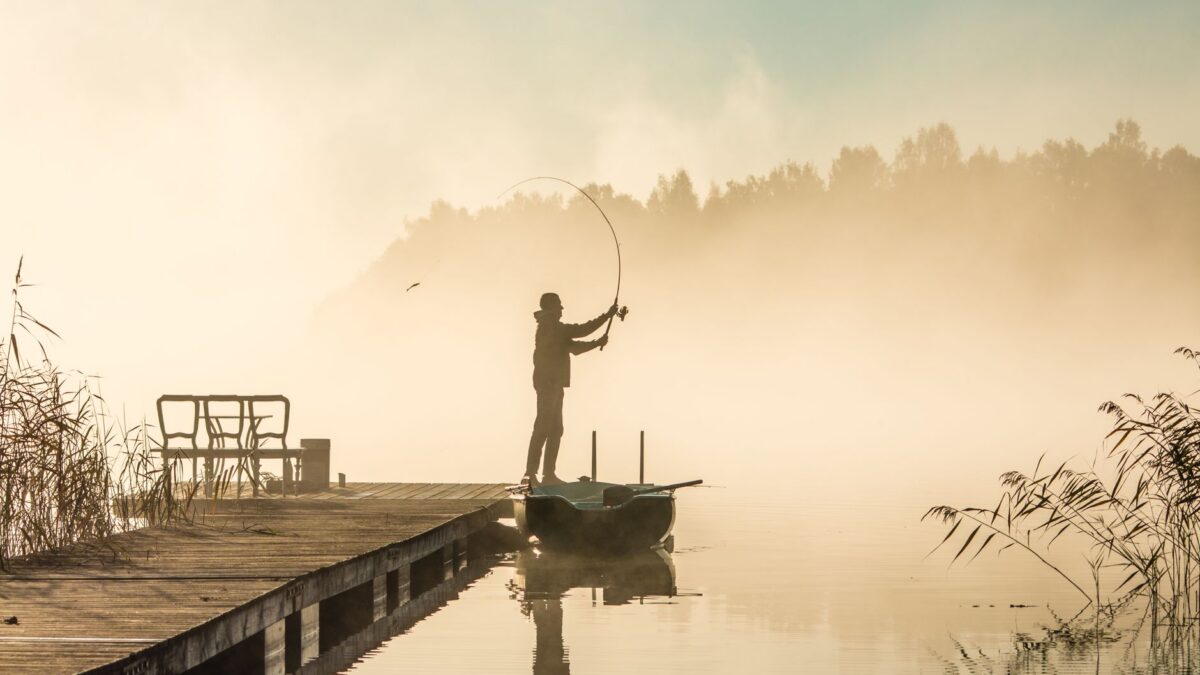
Topwater lures work best in low light (early morning, evening and overcast days) once the water warms past roughly 60°F, and they’re usually at their best from late spring through early fall. Choose a frog for matted grass and pads, a popper or walking bait for open water and points, a buzzbait for covering water fast, and a prop bait for calm banks. Whatever you throw, don’t set the hook at the splash: wait until you feel the weight of the fish, then set.
When topwater works
- Water temperature: many anglers see topwater bites pick up once the water passes about 60°F, with the best action often in the 70s and low 80s. Some fish will hit surface lures in cooler water, especially when temperatures are stable or rising.
- Light: dawn, dusk, cloudy days and shade. On bright days, focus on shady cover like docks, overhanging trees and pads.
- Surface: calm to lightly rippled water lets bass track the lure. In heavier chop, a louder bait like a buzzbait or prop bait helps.
- Season: post-spawn through summer, plus fall when bass chase baitfish near the surface. See summer bass fishing and fall bass fishing.
- Night: in hot summer weather, dark, noisy topwaters can work after sunset. More in fishing for bass at night.
The five main types
| Lure | Action and sound | Best spots | Retrieve |
|---|---|---|---|
| Hollow-body frog | Quiet walk or pop | Matted grass, lily pads, overhanging cover | Twitch and pause across the top |
| Popper | Spits and chugs water | Points, docks, shade lines, calm water | Pop, pop, pause |
| Walking bait | Side-to-side glide, rattles | Open water, points, flats, schooling fish | Rhythmic twitches on slack line |
| Buzzbait | Constant clacking and gurgle | Grass edges, wood, windy flats, low light | Steady, just fast enough to stay on top |
| Prop bait | Spinning props spray water | Calm banks, laydowns, docks | Twitch and pause or steady |
How to fish each one
Hollow-body frogs
Frogs are weedless: the hooks ride up against a soft hollow body, so you can drag them across thick mats and pads where nothing else works. Cast across the cover, then walk the frog with short twitches and pauses, slowing down over holes and edges. Use heavy braid (50–65 lb is common) and a heavy-power rod to pull fish out of the vegetation.
Poppers
A popper has a cupped face that spits and gurgles when you snap the rod tip. Work it with one or two short pops followed by a pause of a few seconds; sometimes long pauses are what triggers the strike. It’s a great choice when you want to keep the lure in one spot near cover.
Walking baits
A cigar-shaped walking bait glides left and right when you twitch the rod tip downward on slack line, a motion called “walking the dog.” The rhythm matters more than force: twitch, let the line go slack, twitch again. These baits cover open water well and draw fish up from deeper water.
Buzzbaits
A buzzbait has a propeller-style blade on a wire arm that churns the surface. Start reeling the moment it lands and keep it just fast enough to stay on top. It’s one of the fastest ways to cover shallow water and works well in low light and slightly stained water.
Prop baits
Prop baits have one or two small propellers that sputter and spray when twitched. Fish them slowly with twitch-and-pause cadences around calm shorelines. Larger, plopping-style baits with a rotating tail are fished with a steady retrieve to cover water.
How to set the hook on topwater
The most common mistake is reacting to the explosion. Bass often miss on the first swipe, or slap the bait before eating it. If you jerk at the splash, you pull the lure away.
- When the fish blows up, keep doing what you were doing, or pause.
- Wait until the line goes tight or the rod loads with the fish’s weight.
- For treble-hook baits (poppers, walking baits, prop baits), sweep the rod to the side while reeling and keep steady pressure. Hard jerks tend to tear trebles out.
- For frogs, give the fish a moment to turn down with the bait, reel tight and set hard. The hooks have to get through the soft body, so the hookset needs force.
- For buzzbaits, keep reeling until you feel the fish, then set.
If a bass misses, cast right back. A follow-up soft plastic, like a weightless stick bait, often catches the fish that just struck. Our article on how to set the hook goes deeper into treble hooks vs single hooks.
Line and gear
- Monofilament floats, which helps poppers and walking baits stay nose-up and work properly.
- Braid also floats and has little stretch, ideal for frogs and buzzbaits around cover. Some anglers add a short mono leader for treble-hook baits.
- Fluorocarbon sinks and can pull small topwaters’ noses under, so it’s less common for surface lures.
A 6.5–7 ft medium or medium-heavy rod with a moderate-fast tip suits poppers, walking baits and prop baits; frogs call for a heavy rod.
Safety around treble hooks
Topwater lures often carry two or three treble hooks. Land fish with a net or by hand only when they’re calm, keep pliers ready to unhook them, and be extra careful when kids are nearby. Never lip a fish with a treble hook swinging near your hand.
Bottom line
Throw topwater lures in low light and warm water: frogs over grass and pads, poppers and walking baits on points and open water, buzzbaits to cover water and prop baits on calm banks. Use floating line, keep the retrieve rhythmic, and never set the hook until you feel the fish.
FAQ
What time of day is best for topwater bass?
Early morning and evening are usually best, along with cloudy days. On sunny days, target shade under docks, trees and pads.
What water temperature is best for topwater?
Many anglers start seeing consistent topwater bites once water passes about 60°F, with the best action often in the 70s and low 80s. Fish can still hit surface lures in cooler water.
Why do I miss so many topwater strikes?
Usually because the hook was set at the splash, before the fish had the lure. Wait until you feel weight on the line.
Do topwater lures work in fall?
Yes. Fall can be excellent as bass chase baitfish near the surface, especially in the backs of creeks and on flats.