Live Bait for Bass: Shiners, Nightcrawlers, Crayfish and Frogs (and the Rules)
Live bait is the simplest way to put a bass on the line, but each bait needs its own hook and rig, and the rules on bait vary a lot from state to state.
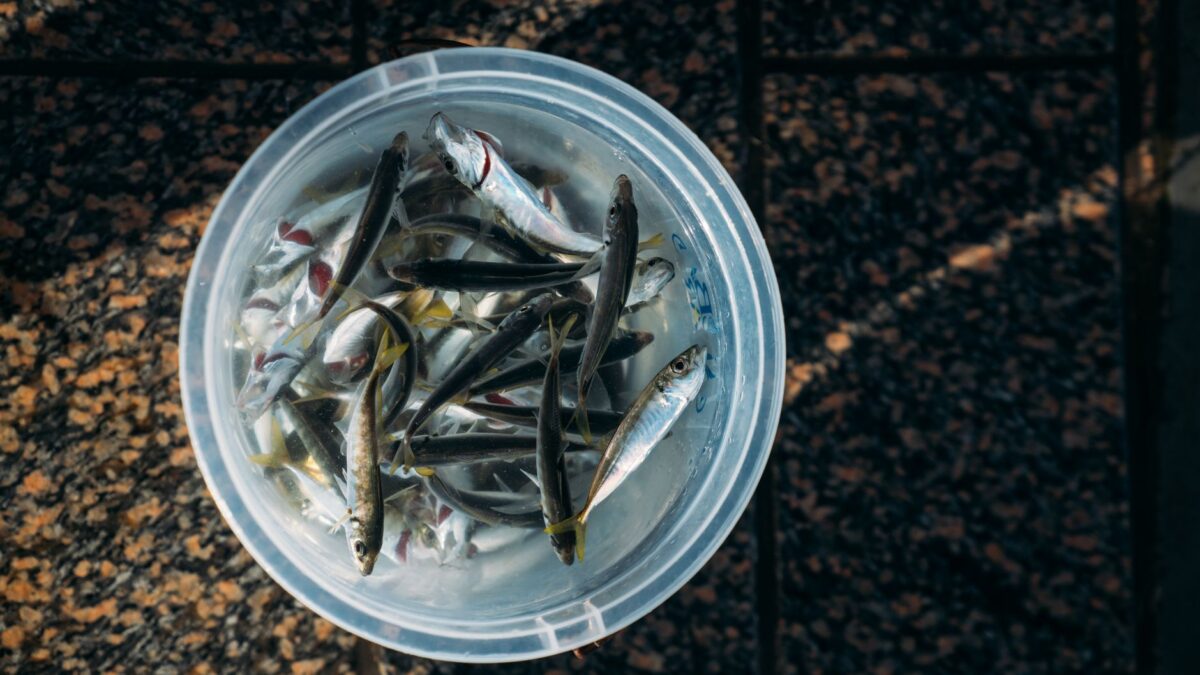
The best live baits for bass are shiners (for big largemouth), nightcrawlers (for steady action and beginners), crayfish (for smallmouth and rocky water) and, where legal, frogs. Fish them on simple rigs: a float, a free-line with no weight, or a light split shot or Carolina rig on the bottom. Set the hook fairly soon after a bass takes the bait to avoid deep hooking, and check your state’s rules before you collect, buy, move or use any live bait.
Check the bait rules first
Live bait regulations vary more than almost any other fishing rule, from state to state and sometimes from one water to the next. Common restrictions include:
- Which animals count as legal bait. Missouri, for example, lists crayfish, freshwater shrimp, certain frogs and nongame fish as live bait, sets daily limits for each, and does not allow game fish or their parts to be used as bait. See the Missouri Department of Conservation’s live bait rules as an example of what to look for in your own state.
- Using sunfish or other game fish as bait. Some states allow small bluegill caught by hook and line; others prohibit using game fish as bait altogether.
- Crayfish. Some states only allow live crayfish to be used in the water they were caught in, and invasive species such as rusty crayfish are banned as bait in some places.
- Moving bait between waters. Rules may limit transporting live baitfish, especially from waters with invasive species or fish diseases.
- Frogs. Many states set seasons, size limits or daily limits for frogs, and some species are protected.
- Collecting gear. Traps, seines and cast nets often have size limits and may require a license.
Never release unused bait into the water, even where you caught it. The national Stop Aquatic Hitchhikers campaign advises anglers to dispose of unwanted bait in the trash and to drain bait containers before leaving. And always collect bait only where you have permission.
The main live baits at a glance
| Bait | Best for | Typical hook | Common rigs |
|---|---|---|---|
| Shiners (golden or wild) | Big largemouth, grass edges, docks | About 1/0–5/0 live-bait or circle hook, sized to the shiner | Float, free-line |
| Nightcrawlers | Numbers of bass and panfish, beginners | About size 1–2/0 light-wire or offset hook | Weightless, split shot, float |
| Crayfish | Smallmouth, rocky banks, rivers | About size 1–1/0 | Split shot, Carolina rig, free-line |
| Frogs (where legal) | Largemouth near pads and shoreline cover | About 1/0–2/0 | Free-line |
How to hook and fish each bait
Shiners
Large shiners are a long-standing big-bass bait, especially in the South. Hook them through both lips for casting and free-lining, or just under the dorsal fin (above the spine, not through it) under a float so the shiner can swim freely. Fish them along grass lines, around docks and near drop-offs. A float lets you control depth and see the bite; free-lining lets the shiner swim into cover on its own.
Nightcrawlers
Thread a crawler on a light-wire hook leaving the ends free to wiggle, hook it once through the middle (wacky style), or Texas-rig it on an offset hook for weedless fishing. Fish it weightless in shallow water or add a small split shot to get it down. Crawlers catch plenty of panfish too, which makes them ideal for kids and beginners.
Crayfish
Hook a crayfish through the last segment of the tail, from the underside up, so it can still crawl and swim backward. Let it settle near rocks and gravel on a split shot or a short Carolina rig. Crayfish are a top natural food for smallmouth in many lakes and rivers.
Frogs
Where frogs are legal bait, hook them through both lips from bottom to top and cast near lily pads, grass and overhanging cover. Let the frog swim naturally on a slack line. Check species, size and season rules first.
Simple live bait rigs
Float rig (good for shiners and crawlers):
- Thread a bobber stopper and a bead onto the line for a slip float, or clip on a fixed float for shallow water.
- Slide on the float.
- Tie on the hook and add a small split shot 12–18 in above it.
- Set the stopper so the bait swims a foot or two above the bottom or the top of the grass.
Free-line: tie the hook directly to the line with no weight and let the bait swim. Best for shiners and frogs in shallow water.
Split shot or Carolina rig: a small split shot 12–24 in above the hook, or a sliding weight, bead and swivel with a leader, keeps crawlers and crayfish near the bottom.
Fluorocarbon or monofilament in the 10–20 lb range covers most live bait fishing for bass. Our hook size guide explains how sizes compare.
Hooking bass without deep hooking them
Bass often swallow live bait quickly, which can mean a hook in the throat or gills. To reduce that:
- Keep slack to a minimum and watch your float or line closely.
- Once a bass takes the bait and starts moving off steadily, reel until the line is tight and set the hook. Don’t let it run for a long time.
- If you use circle hooks, don’t jerk. Reel steadily until the line comes tight and the hook rolls into the corner of the mouth.
Circle hooks aren’t a cure-all for bass. A study of largemouth caught on live minnows found that circle hooks deep-hooked fewer fish than standard octopus hooks, but also landed noticeably fewer of the fish that bit, and mortality was low with both types. For striped bass on the Atlantic coast it’s a different story: interstate rules require non-offset circle hooks when fishing bait for stripers, so check your state’s current regulations.
If a bass is hooked deep, cut the line close to the hook rather than tearing it out. Our catch and release guide covers handling and release in detail, and our guide on how to catch bigger bass covers where trophy fish hold and when to target them.
Keeping bait alive
- Shiners and other baitfish: use an aerated bucket or livewell, don’t overcrowd it and keep the water cool. Avoid sudden temperature changes. If you need to change water, use spring water or dechlorinated tap water, not straight tap water.
- Nightcrawlers: keep them in bedding in a cooler out of the sun. Heat kills them quickly.
- Crayfish: keep them in a cool, damp container or lightly aerated water, and don’t pack too many together.
- Frogs: a cool, damp, ventilated container out of direct sun.
When you’re done, drain bait containers before leaving the water access and throw leftover bait in the trash.
Bottom line
Use shiners for big largemouth, nightcrawlers for steady action, crayfish for smallmouth and frogs only where legal. Keep rigs simple, keep the bait lively and cool, and set the hook promptly to avoid deep-hooked fish. Above all, check your state’s live bait rules, and never dump leftover bait into any lake or river.
FAQ
What is the best live bait for bass?
Large shiners are a classic choice for big largemouth, crayfish are excellent for smallmouth, and nightcrawlers are the easiest all-around bait for beginners.
Can I use bluegill as bait for bass?
It depends on your state. Some allow sunfish caught by hook and line to be used as bait; others ban using game fish as bait. Check your state wildlife agency’s rules.
Can I release leftover bait into the lake?
No. Releasing bait can spread invasive species and diseases and is illegal in many places. Put unused bait in the trash.
Should I use circle hooks for live bait bass fishing?
They can reduce deep hooking, but they hook fewer of the bass that bite. Setting the hook promptly with a standard live-bait hook is also effective. Some states require circle hooks for certain species, such as striped bass with bait.