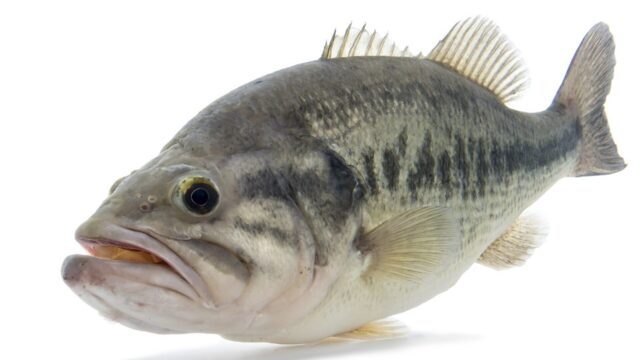
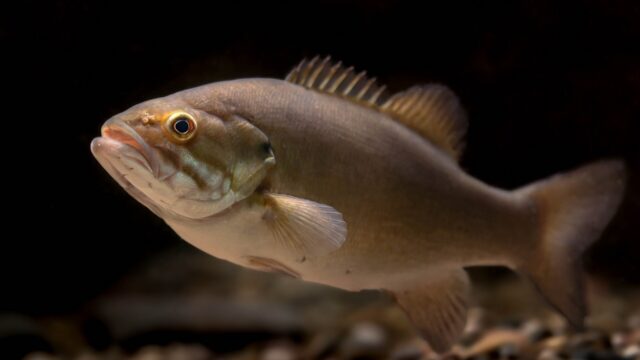
How to Catch Big Bass: Where Trophy Fish Live, When They Feed and What They Bite
Big bass aren't just small bass that got lucky. They live in the best spots, feed on bigger prey and get cautious. Here's how to put the odds on your side.
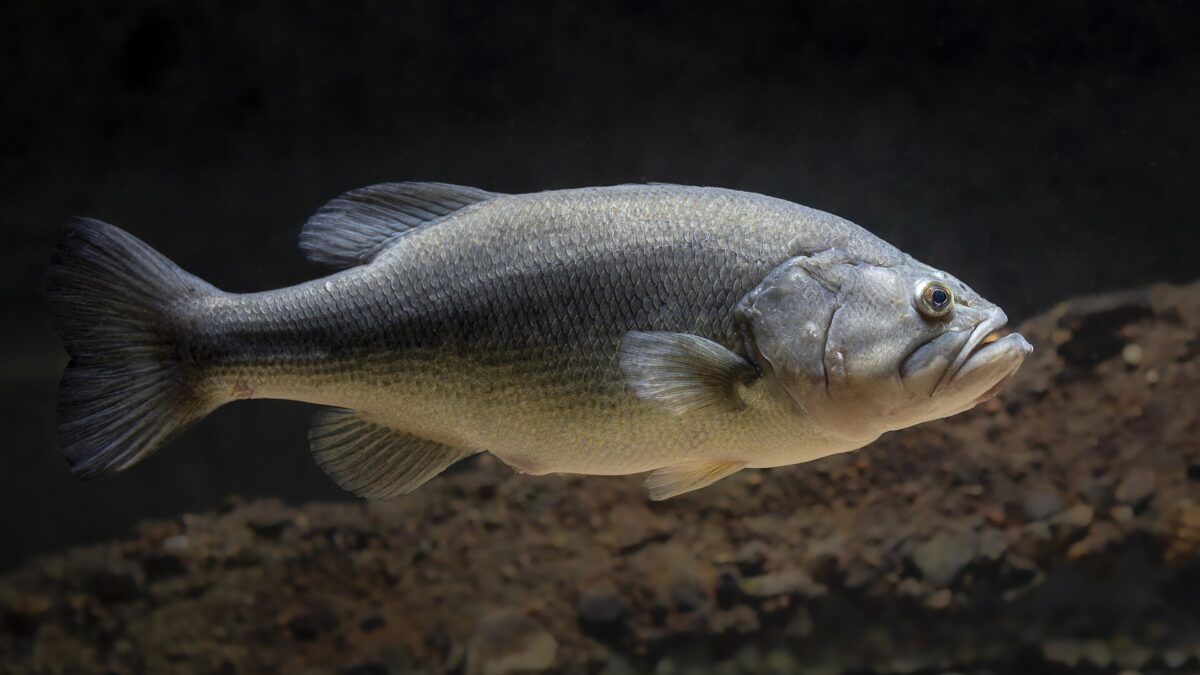
To catch bigger bass, start with waters known to produce big fish, fish the times they feed most (the pre-spawn period, early fall and low light), and use bigger baits fished slower around the best cover and structure close to deep water. Accept fewer bites in exchange for better ones, upgrade your line and hooks so you land the fish you hook, and handle trophies carefully if you plan to release them.
Step 1: Fish where big bass actually live
No technique will produce a 10-pounder from a lake that doesn’t hold one. Bass size depends heavily on the water:
- Growing season: largemouth grow faster in the South, where water stays warm longer. Northern bass take many more years to reach the same size.
- Genetics: Florida-strain largemouth (now often considered a separate species, the Florida bass) and their hybrids produce many of the heaviest fish in the Southeast, Texas and California.
- Food: lakes with abundant, large forage such as gizzard shad, rainbow trout (in some Western lakes) or big bluegill grow big bass.
- Harvest and pressure: lakes with slot limits or light pressure often have more large fish.
To find these lakes, look at your state wildlife agency’s fisheries survey reports, lake-record lists and big-bass recognition programs. Many states publish electrofishing results showing size structure by lake.
Step 2: Understand what big bass do differently
The heaviest largemouth are usually females, which typically grow larger than males. Older fish have survived years of anglers and predators, and they behave accordingly:
- They hold in prime spots where food, cover and deep water come together: the best dock on a point, the thickest mat next to a channel, a lone rock pile on a flat.
- They often use deep water nearby and move up to feed for short periods.
- They favor larger prey, which gives more energy per chase.
- In heavily fished lakes, they become wary of the most common baits and noisy boats.
Step 3: Pick the right time
| Time | Why it’s good for big bass | What to try |
|---|---|---|
| Pre-spawn (water roughly 50–60°F) | Females feed heavily and are at their heaviest before spawning | Jigs, big swimbaits, jerkbaits, lipless crankbaits on staging points and first drops near spawning bays |
| Spawn | Big females move shallow for a short time | Fish carefully and legally; release quickly where caught |
| Summer low light and night | Big fish move shallow to feed when light is low and water cools slightly | Big topwaters, dark worms and jigs, black spinnerbaits at night |
| Early to mid fall | Bass feed heavily on baitfish as water cools | Swimbaits, glide baits, crankbaits around bait schools |
| Changing weather | Clouds, wind and the hours before a front can trigger feeding | Moving baits on windblown points and flats |
Pre-spawn is the most popular trophy window in much of the country. Our guide to spring bass fishing covers how to follow fish from staging areas to the spawning flats. If you fish for bass on beds, follow any spawning-season rules in your state and release fish immediately.
Step 4: Use bigger baits
Bigger lures filter out many small fish and appeal to large bass looking for a big meal. They also mean fewer bites, so commit to them for long stretches.
- Large swimbaits and glide baits: 6- to 10-inch soft or hard swimbaits that imitate shad, trout or bluegill.
- Jigs with bulky trailers: a 1/2- to 1-ounce jig with a craw trailer around rock, docks and wood. See our guide to fishing a jig.
- Big worms: 10- to 12-inch soft plastic worms on Texas or Carolina rigs, especially in summer on deep structure.
- Big topwaters: large walking baits, wake baits and hollow-body frogs over mats.
- Deep-diving crankbaits: for summer and fall fish on ledges and points.
- Live bait: in some Southern lakes, large wild shiners are a traditional trophy bait. Check state rules on live bait and use circle hooks or set quickly to avoid deep hooking.
Step 5: Slow down and be precise
Big bass rarely chase a bait across a flat. Accurate casts and slow, deliberate retrieves keep the lure in the strike zone longer:
- Drag and pause jigs and worms instead of hopping them quickly.
- Let a swimbait swim slowly and steadily, and make multiple casts to the same high-percentage spot from different angles.
- Fish quietly: idle into areas, avoid banging the boat, and make the first cast count.
- Use electronics to find isolated cover, brush piles and rock on offshore structure that other anglers pass by.
Step 6: Upgrade your tackle
- Line: 15- to 25-pound fluorocarbon for jigs and worms, 50- to 65-pound braid for frogs and heavy cover, heavier for big swimbaits.
- Rods: heavy or extra-heavy rods designed for the bait weights you’re throwing.
- Hooks: strong, sharp hooks; replace trebles that are dull or bent.
- Drag and knots: retie often and set your drag before you start.
- Landing: a large rubber-mesh net makes landing big fish easier and gentler.
Step 7: Handle trophy bass carefully
A big bass is often an old fish, and releasing it lets someone else catch it, or lets it spawn again. Texas Parks and Wildlife’s catch-and-release guidance advises holding larger fish horizontally and supporting them with two hands, rather than hanging them vertically by the jaw. Also:
- Wet your hands and keep the fish in the water or in the net while unhooking.
- Keep air time short: take a quick weight and a photo, then release.
- Use a weigh sling or support the fish when weighing.
- If a fish caught from deep water struggles to stay upright, see our guide to catch and release for barotrauma and revival tips.
Some states run trophy-bass programs that collect large fish for hatchery breeding or record them for research; if you catch a candidate, your state agency’s website explains how to report it.
Bottom line
Catching bigger bass starts with choosing the right water and the right timing, especially pre-spawn, fall and low-light hours. From there, fish the best cover close to deep water with bigger baits, slow down, use stronger tackle, and take care of the fish once it’s in the net so it can be caught again.
FAQ
What month is best for catching a trophy bass?
It depends on region. In the Deep South, big pre-spawn females are often caught from late winter into early spring; farther north the same window comes later in spring. Fall is a strong second season everywhere.
Do bigger lures really catch bigger bass?
They tend to catch fewer small fish and give you a better chance at large ones, but they also produce fewer bites overall. Many trophy anglers accept that trade-off.
Should I hold a big bass by the lip?
Lip it to control the fish, but support a heavy bass horizontally with your other hand under its belly rather than hanging it vertically.
Are most big bass females?
Generally, yes. Female largemouth typically grow larger and heavier than males, so most of the heaviest fish in a lake are females.