How to Clean a Baitcasting Reel: What to Oil, Grease and Service
Clean a baitcasting reel by wiping it down, oiling the bearings and level wind, and greasing the gears. See what to avoid and when to get it serviced.
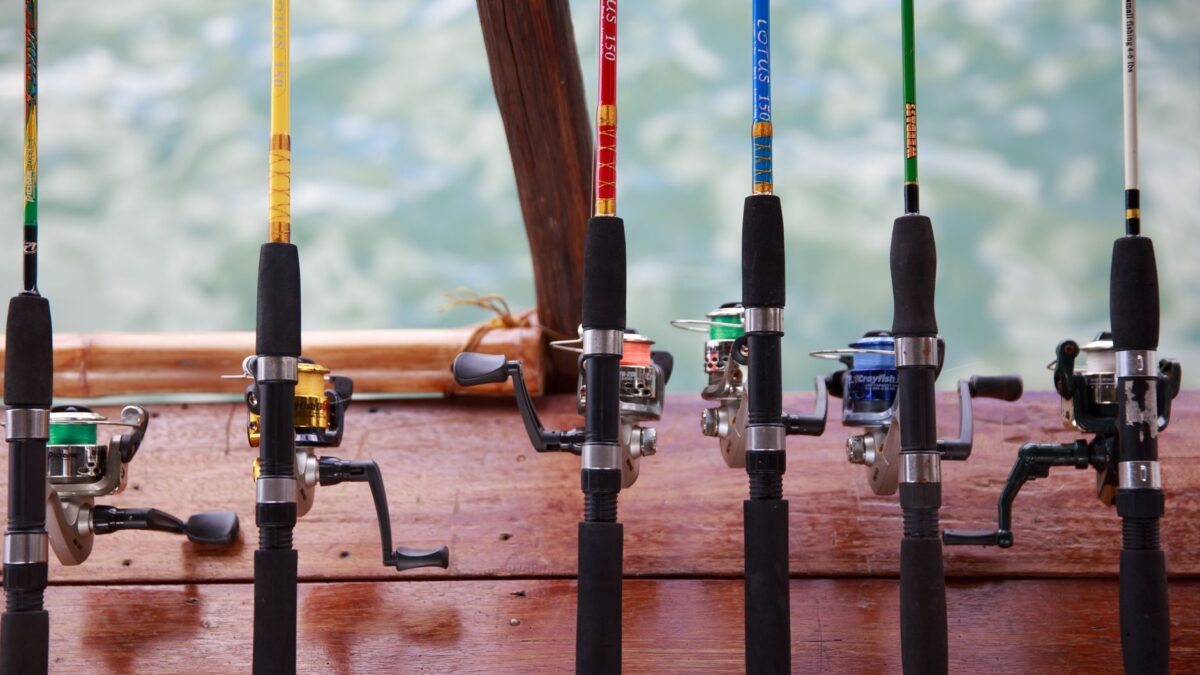
To clean and maintain a baitcasting reel, wipe the outside and rinse off salt or grit, then put a drop of light reel oil on the spool bearings, the level wind worm gear and the handle knobs. Use reel grease on the main drive gear and pinion. Freshwater anglers usually do this light cleaning every few trips and a full teardown or shop service about once a year, or right away after the reel gets dunked, starts grinding or loses casting distance.
Oil is for parts that spin fast with little load. Grease goes on parts that carry heavy load, like gear teeth. Mixing up the two is the most common mistake: grease in a spool bearing kills casting distance, and oil on the main gear runs off and leaves the teeth dry.
What tools and supplies do you need?
A basic baitcaster kit is small and cheap, and most of it may already be in your tackle box.
- Reel oil made for fishing reels, in a needle-tip bottle
- Reel grease (a light synthetic grease sold for reels)
- Small screwdrivers that fit the side plate and handle screws, plus the reel’s own wrench
- Cotton swabs, a soft toothbrush and lint-free cloths
- A mild cleaner such as warm water with a little dish soap, or a reel cleaner from the manufacturer
- A towel or parts tray so small screws and washers do not roll away
Keep the reel’s manual or exploded parts diagram nearby. Many brands publish these online. Shimano, for example, posts schematics and service details for its reels on its fishing site.
How do you clean the outside of a baitcasting reel?
Start with the drag tightened a little so water cannot reach the drag washers, then wipe the reel with a damp cloth. After a saltwater or brackish trip, rinse it under a gentle stream of fresh water. A hard spray from a hose can push salt and dirt past the seals and into the bearings.
- Remove line you plan to replace. If you keep the line, leave it on the spool.
- Scrub the frame, the level wind and the handle with a soft toothbrush and a little soapy water.
- Dry everything with a cloth and let the reel air dry with the side plate open.
- Back off the drag once the reel is dry so the washers are not compressed in storage.
Avoid strong solvents, brake cleaner and household degreasers on the outside. They can damage paint, plastic parts and rubber seals.
Which parts should you oil?
Oil the bearings and small moving parts that spin freely. One drop per spot is enough. Too much oil collects dirt and slows the spool.
- Spool bearings: open the side plate (and the palming side cover if your model allows) and put one drop on each bearing.
- Level wind worm gear and pawl: one drop on the worm shaft, then turn the handle so it spreads along the groove.
- Handle knob bearings or bushings: one drop at each knob.
- Clutch bar pivot and spool tension knob threads: a very light touch if they feel stiff.
Spin the spool afterward. It should turn freely and quietly. If it slows or rattles, the bearing may need a full clean or replacement, which is covered below.
Which parts should you grease?
Grease the gears and the parts that take the force of the fight. That usually means taking off the handle side plate, so stop here if you are not comfortable with small screws and springs.
- Main drive gear teeth: a thin coat, then turn the handle to spread it.
- Pinion gear: a thin coat where it meets the drive gear.
- Anti-reverse clutch area: follow the manual, since many one-way clutches should stay dry or take only a specific light oil.
- Level wind worm gear in heavy use: some owners prefer a thin layer of grease here instead of oil for longer protection.
Leave the drag washers alone unless your manual says otherwise. Carbon fiber drag washers may take a small amount of drag grease made for them. Felt washers and other types can slip unevenly if you put regular oil or grease on them.
What should you never oil or grease?
Keep oil and grease off the brake system and the spool surfaces. A centrifugal brake works by friction between small weights and a brake ring, so lubricant on those parts changes how the brake behaves. Magnetic brakes do not need lubrication at all. Line on a spool that has been touched by grease can also pick up dirt and slip.
Do not pack grease into spool bearings. Grease makes the bearing turn slowly, and you lose casting distance and feel. If you want a refresher on why baitcasters are built around a spinning spool in the first place, our guide to how spinning and baitcasting reels work covers the basics.
How often should a baitcasting reel be cleaned and serviced?
A quick wipe and check fits after every trip, and the oiling steps above fit every few outings in freshwater. A deep clean with the gears exposed is usually done once a year, often before winter storage. The routine is similar to the one for spinning reels, which is laid out step by step in our article on cleaning a spinning reel before winter storage.
Use more frequent service if any of these apply:
- You fish in salt or brackish water.
- The reel was dropped in the water or into sand.
- You fish often for heavy fish with heavy line and a tight drag.
When you re-line the reel after cleaning, spooling it correctly keeps the level wind working smoothly; see how to spool a baitcasting reel without line twist.
When should a pro service the reel?
Send the reel to the manufacturer or a reel repair shop when the problem is inside the gearbox or you are not sure how it goes back together. Common signs include:
- Grinding or clicking when you turn the handle under load
- The handle spinning backward because the anti-reverse slips
- A drag that jerks or slips even after cleaning
- A spool that will not spin freely after the bearings were cleaned and oiled
- Corrosion on gears or bearings after a dunking in salt water
Opening the gearbox on some reels can void the warranty, so check the warranty terms first. Factory service centers can also replace worn bearings, clutches and gears with the correct parts for your model.
Quick answers
Can you use WD-40 on a baitcasting reel?
Standard WD-40 is a cleaner and water displacer and can strip grease from gears, so most reel makers recommend their own reel oil and grease instead.
Should you store a baitcaster with the drag tight?
No. Loosen the drag for storage so the washers are not compressed for months, and tighten it again before your next trip.
Why does my baitcaster cast shorter after cleaning?
Thick oil or grease in the spool bearings is the usual cause. Clean the bearings and use a single drop of light reel oil.
Does gear ratio change how you maintain a reel?
Maintenance steps are the same for every ratio, though fast reels put more wear on the pinion. Our guide to reel gear ratios explains what the numbers mean.