Blade Baits and Lipless Crankbaits for Cold Water Bass: How and When
Blade baits and lipless crankbaits catch cold water bass when fish hold deep or on grass. How to rig and work them, and when they beat a jerkbait.
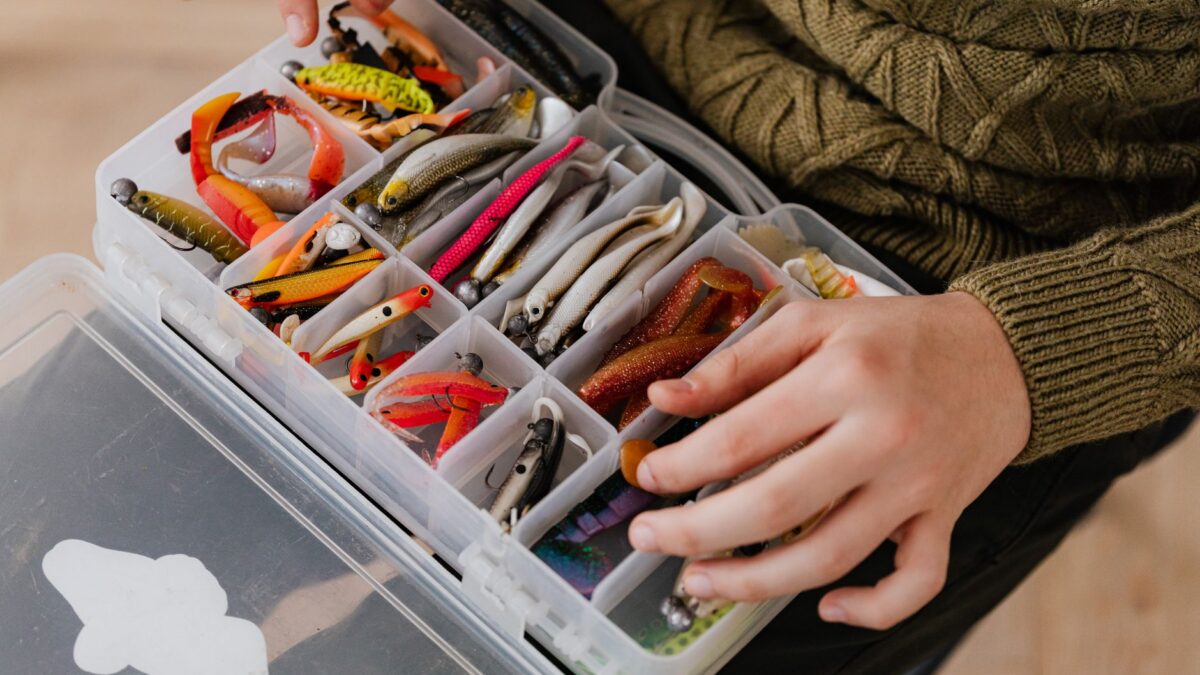
Blade baits and lipless crankbaits catch bass in cold water, roughly below 50°F (10°C), when fish sit too deep or too tight to the bottom for a suspending jerkbait to reach them. A blade bait works best fished vertically or hopped along the bottom over deep structure, while a lipless crankbait works best yo-yoed or ripped through submerged grass on flats. A jerkbait is still the better choice for bass suspended in clear water at moderate depth.
What are blade baits and lipless crankbaits?
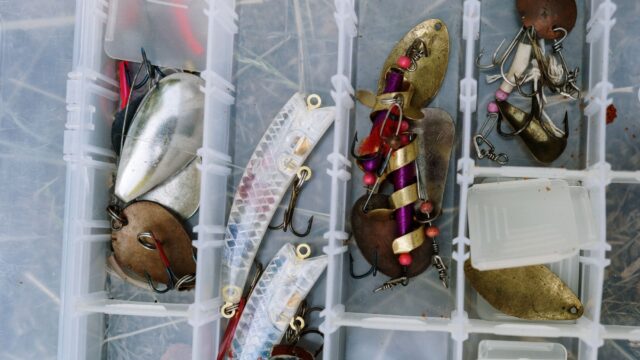
A blade bait is a thin metal plate shaped like a baitfish, with a weighted head, two treble hooks and several line holes along its back. When pulled upward it vibrates hard, and on the fall it flutters or drops almost straight down. Common weights run from 3/8 to 3/4 ounce, and the compact size sinks fast and casts a long way.
A lipless crankbait is a flat-sided plastic bait with the line tie on top of the head and no diving lip. It sinks, rattles in most models and gives off a tight wobble when retrieved or lifted. Sizes from 1/4 to 3/4 ounce cover most bass fishing, with 1/2 ounce the most common.
Both baits sink and vibrate, so a bass can find them by feel through its lateral line in cold, stained or deep water.
When does a blade bait or lipless crankbait beat a jerkbait?
These baits beat a jerkbait when bass are near the bottom or in places a jerkbait cannot get to. A suspending jerkbait usually runs 4 to 10 feet (1.2 to 3 m) deep and works best when bass hover in clear water and come up to strike. In winter, many bass group tightly on deep structure, and a jerkbait passes far above them.
- Bass are schooled 20 to 50 feet (6 to 15 m) deep on ledges, channel bends, bluff ends or humps: use a blade bait.
- Your electronics show fish glued to the bottom or a bait ball near the bottom: use a blade bait.
- Bass are on flats with submerged grass in late winter or early spring: use a lipless crankbait.
- The water is stained or muddy: both baits put out more vibration than a jerkbait.
- Wind and cold make long pauses hard to read: a hopped bait gives a clearer bite.
Our guide on jerkbait cadence and cold-water timing covers the conditions where a jerkbait still wins, mostly clear water and fish suspended off points and bluffs.
How do you fish a blade bait in cold water?
Fish a blade bait with short lifts and controlled falls on or near the bottom. The colder the water, the shorter and gentler the lift should be.
- Cast past the target or drop the bait straight down over fish you see on sonar.
- Let it sink to the bottom on a tight line and watch for a bite on the fall.
- Lift the rod tip 1 to 2 feet (30 to 60 cm), just enough to feel the bait start to vibrate.
- Lower the rod and let the bait fall back on a semi-slack line, following it down so it can flutter.
- Pause a second or two on the bottom, take up slack and repeat.
Most strikes come as the bait falls, so the next lift feels heavy or the line jumps sideways. Set the hook on anything that feels different. Lifts that are too long and too fast tire out the bait and pull it out of the strike zone. When fish are directly below the boat, vertical jigging keeps the blade in front of them longer than casting does.
How do you fish a lipless crankbait in cold water?
In cold water, fish a lipless crankbait with a lift-and-drop motion, called yo-yoing, instead of a steady retrieve. Cast, let it sink to the bottom or the top of the grass, then sweep the rod up to make the bait rattle and let it fall back.
- Over submerged grass such as hydrilla or milfoil, let the bait tick the tops of the plants. When it hangs, snap the rod sharply to rip it free. Many strikes come right after the bait tears loose.
- On bare flats, use a slow yo-yo with pauses on the bottom.
- As water warms toward 50 to 55°F (10 to 13°C), speed up and try steady retrieves with occasional twitches.
Late winter and the first warm spell of spring are lipless crankbait time on many lakes, when bass move up onto grass flats near deeper water. The same approach works on river backwaters and current breaks; see fishing current seams and eddies for river bass for how to read those spots.
What rod, line and hooks work best?
A 6 foot 10 inch to 7 foot 3 inch medium or medium-heavy rod with a fast or moderate-fast tip handles both baits. A moderate action keeps fish from tearing off small treble hooks, which is common with lipless baits. A spinning or casting reel works, with a gear ratio in the middle range.
- Line: 10 to 14 lb fluorocarbon sinks and transmits bites well. Braid with a fluorocarbon leader adds sensitivity and helps rip baits from grass, but stretches less, so use a softer rod.
- Attachment: tie a snap or split ring to a blade bait so it vibrates freely. Lipless crankbaits come with a split ring on the line tie.
- Hooks: replace dull trebles. Many anglers move to slightly larger or finer-wire trebles, but keep the bait’s balance in mind.
- Line hole on a blade bait: the front hole gives a tighter, faster vibration, the rear hole a wider one with more resistance.
What are the most common mistakes?
The most common mistake is working the bait too hard for cold water. Bass in water below 45°F (7°C) move slowly and rarely chase a bait that jumps several feet.
- Lifting too high or too fast, which pulls the bait away from the fish.
- Letting the bait fall on a completely slack line and missing bites.
- Fishing water with no fish on the electronics instead of moving to find a school.
- Getting blade baits stuck in rock or wood. A bait that fouls its line on every cast is a sign the lift is too sharp.
- Ignoring color by water clarity: silver and chrome in clear water, gold, chartreuse or red in stained water.
Our article on where bass go in open water in winter explains how to locate the deep schools that blade baits are built for.
What safety steps matter in cold water?
Wear a life jacket every time you fish cold water, because a sudden fall can cause cold shock and loss of breathing control within the first minute. Dress in layers that stay warm when wet, carry a dry change of clothes and tell someone where you are fishing. The U.S. Coast Guard publishes boating safety rules and life jacket requirements. Treble hooks on both baits bury easily in hands made clumsy by cold, so carry pliers and hook cutters.
Quick answers
Can you fish a blade bait from shore?
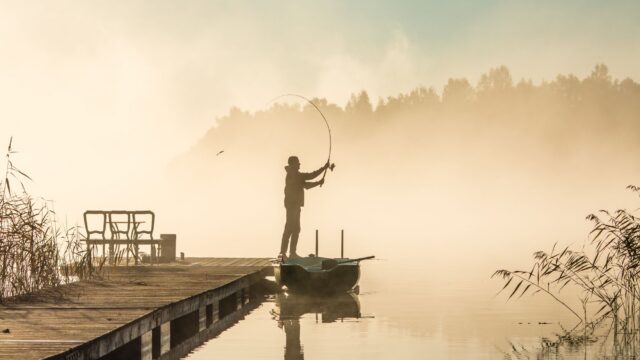
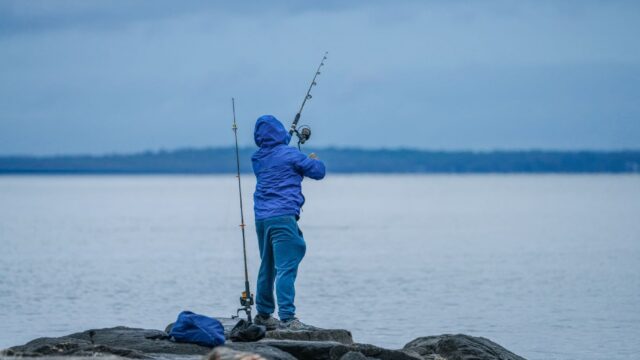
Yes. Cast it from shore to steep banks, riprap, bridge pilings or points that drop into deep water, and hop it back along the bottom.
What water temperature is best for a lipless crankbait?
Lipless crankbaits catch bass across a wide range, but in cold seasons they shine from the low 40s to the mid 50s °F (about 5 to 13°C), especially around grass.
Do blade baits work for other fish?
Yes. Walleye, white bass, smallmouth and crappie all hit blade baits in cold months, and the same vertical approach works for them.
Should I use a blade bait or a jerkbait first?
Check your electronics first. Fish suspended in clear water at mid-depths call for a jerkbait, and fish near the bottom in deep water call for a blade bait. For more options as the water cools, see late fall bass behavior and lures that still work.