Late Fall Bass Fishing: Cold Water Behavior and the Lures That Still Work
When water drops below 50°F, bass slow down, hold near cover and feed on baitfish. Learn where to find them and which lures and retrieves still catch fish.
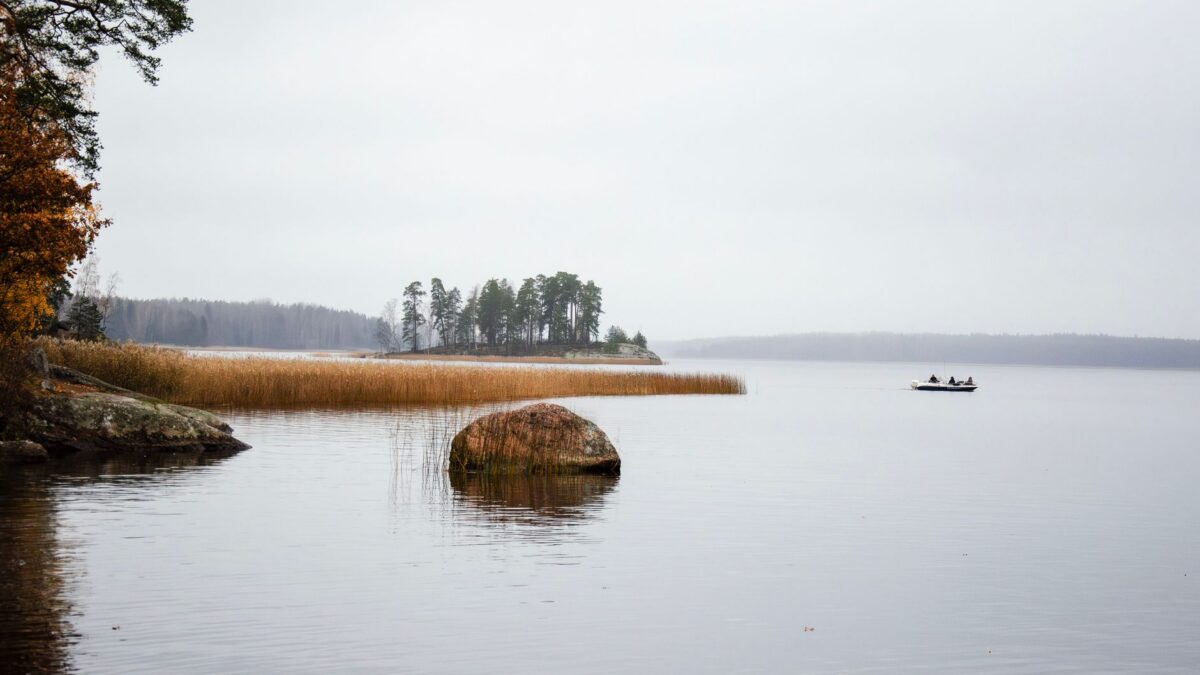
When water temperature falls below 50°F (10°C), bass become less active, feed less often and hold close to deeper structure and baitfish. The lures that work are the ones you can fish slowly and cleanly: suspending jerkbaits, lipless crankbaits, jigs, small swimbaits and compact spinnerbaits. Slow down, downsize and stay on the bait.
How bass behave below 50°F
Bass are cold-blooded, so their metabolism follows water temperature. As it drops through the 40s (°F), they:
- Eat less often. A bass may feed heavily for a short window and then not again for a while.
- Move less. They are reluctant to chase fast, far-moving baits and prefer an easy meal.
- Follow baitfish. Shad and other forage often move to deeper water or the backs of creeks, and bass tend to stay with them.
- Use structure. Steep banks, bluffs, channel swings, docks, rock and deep weed edges give bass quick access to different depths without a long trip.
Water does not cool evenly. A sunny afternoon can warm dark rock or shallow banks a degree or two, and bass often notice. Keep a thermometer or the temperature display on your fish finder handy, and look for water that is a few degrees warmer than the rest of the lake. For the broader seasonal picture, see our guide to fall bass fishing and following the baitfish.
Where to look
- Creek channels and secondary points: lead from shallow flats to deeper water and are common travel routes.
- Steep rock banks and bluffs: give depth changes close together, and the rock holds warmth after sunny days.
- Docks and standing timber near deep water: hold baitfish and offer cover.
- Deep weed edges: if green vegetation is still alive, it may hold oxygen and bait.
- Back of creeks (early in the cooldown): bait often stays shallow while it is still warm enough, then pulls out as it falls.
Watch for birds, surface flicks and bait on your electronics. If you see no bait, move. Fish that are scattered and few in number are less useful than a small area loaded with shad.
Lures that still work
Suspending jerkbait
A classic cold-water bait. Cast it, give it a few sharp twitches, then let it sit still for several seconds. Pauses of 5 to 15 seconds or longer are common in cold water, because bass often hit while the bait is hanging motionless. Fish it around bluffs, points and over submerged cover.
Lipless crankbait
Good for covering water along deep grass edges and flats. Try a slow, steady retrieve, or lift and let it fall. Bites often come on the drop.
Jig
A football or compact jig crawled along the bottom imitates crawfish, which bass still eat. Use smaller trailers and a slow drag. It is a good choice around rock and wood.
Small swimbait or paddle tail
A slow roll along the bottom or just above the baitfish imitates a wounded shad. Lighter jigheads let you keep the bait in the strike zone without dragging it too fast.
Spinnerbait or blade bait
A compact spinnerbait slow-rolled near cover can still draw a bite. A blade bait or other vibrating metal lure, lifted and dropped vertically, works over deep schools of bass shown on sonar.
Drop shot or finesse worm
When bass refuse everything else, a small soft plastic fished slowly on light line may get a bite.
For tackle options and organization, see our list of tackle box essentials for bass fishing.
Lure color and clarity
Natural shad and silver tones tend to be a good start in clear water, while brighter or darker colors can help in stained water. Water often clears in late fall, so natural colors become more useful. Our guide on choosing lure colors for bass goes through clarity, light and forage.
Slow down, but stay alert
- Slow your retrieve. If you think it is slow, slow it down more.
- Lighter line: lighter line, often fluorocarbon in clear water, gives lures better action and fewer refusals.
- Feel for subtle bites. Cold bass often just load up on a lure rather than hit it hard. Watch your line and set the hook when anything feels heavy.
- Use a quality rod: a sensitive rod helps you feel bottom and light bites.
- Fish the warmest part of the day: bites often improve in the afternoon after the sun warms the water a little.
Safety in cold weather
Wear a life jacket, especially from a boat or kayak. Cold water can quickly sap strength, and the shock of an unexpected fall can be dangerous. Dress in layers, bring dry clothes, and tell someone where you are going. On a boat, be careful on wet decks and slippery ramps.
Smallmouth bass follow many of the same cold-water patterns; our smallmouth bass fishing tips cover how they differ.
Quick answers
What is the best lure for bass in cold water?
A suspending jerkbait is a leading choice when the water is in the 40s, because it can sit still in front of bass. A jig and a lipless crankbait are also reliable.
What time of day is best in late fall?
Afternoon is often best, when the sun has warmed the water slightly. Overcast days can also be productive since bass may move closer to cover.
Do bass stop biting when it gets cold?
No. They bite less often and less aggressively, but fish that are located and given a slow presentation still bite. Winter patterns come next; see winter bass fishing in open water.