How to Hold a Bass (and Other Fish) Without Hurting It
The classic thumb-in-the-mouth grip is fine for most bass, but heavy fish need a second hand under the belly. Here's how to hold fish safely, species by species.
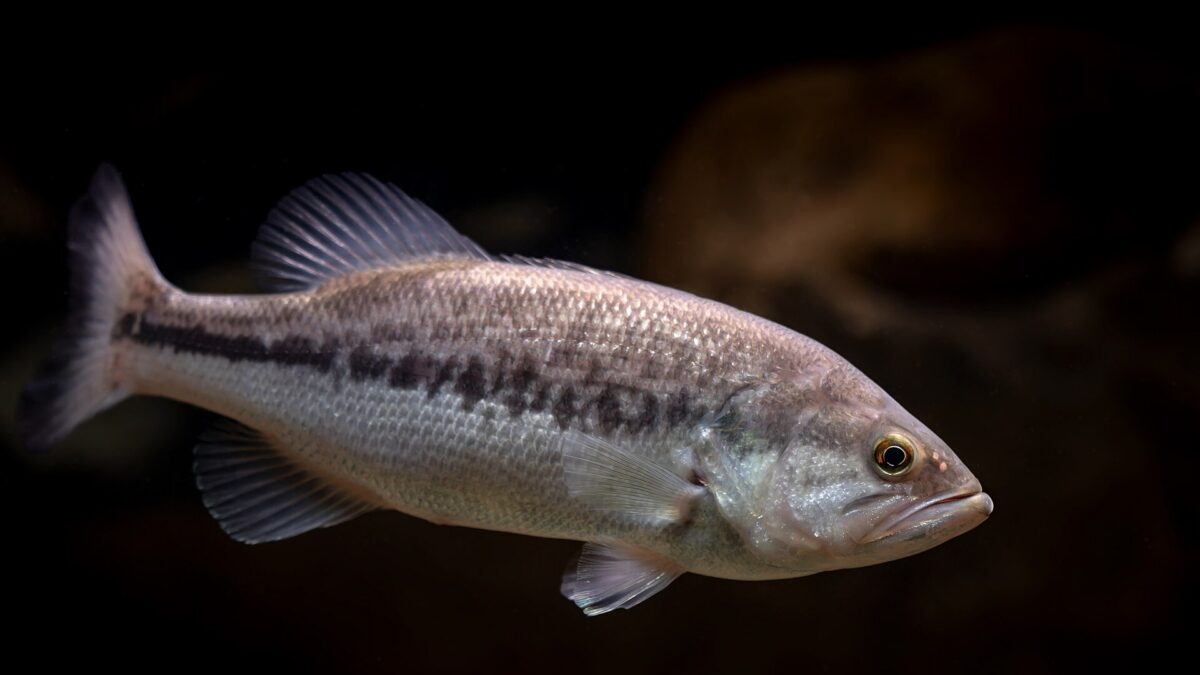
For most bass, the safest hold is the lip grip: wet your hand, put your thumb inside the lower jaw and your fingers under the chin, and keep the fish’s body roughly in line with the jaw rather than bent back. For bigger bass, add a second hand under the belly and hold the fish horizontally. Keep your fingers away from the gills, minimize time out of water, and don’t use the lip grip on toothy fish like pike or walleye.
The lip grip, step by step
- Get the hooks under control first. Look at where the hooks are before you reach in. With a crankbait or topwater lure hanging from the mouth, a thrashing fish can drive a treble into your hand. Use pliers or a fish-gripping tool, or net the fish, if hooks are near the lip.
- Wet your hand. A wet hand does less damage to the protective slime coat.
- Thumb in, fingers under. Put your thumb inside the lower lip and close your fingers under the jaw. Bass have only small, rough tooth pads, so this won’t cut you, though it can leave “bass thumb” scrapes.
- Lift without levering. Lift the fish so the body hangs naturally. Don’t bend the lower jaw downward or twist it to the side.
- Support anything heavy. As soon as you lift a large fish, slide your other hand under its belly and tip it horizontal.
Why bigger bass need belly support
A small bass hanging vertically from its lip puts little strain on the jaw. A heavy fish is different: all of its weight hangs from the jaw joint, and if the angler also bends the jaw back for a photo, the stress increases. Research on largemouth bass handling, including X-ray imaging of fish held in different positions, has suggested that vertical holds that load the jaw can cause soft-tissue injury in larger fish, and that fish supported under the body tended to recover faster after release. The long-term effects aren’t fully known, but the practical advice is simple and costs nothing: the bigger the fish, the more you support its body.
The horizontal hold
- Keep the lip grip with one hand.
- Place your other hand flat under the belly, roughly at the middle of the fish or just behind the pectoral fins.
- Hold the fish level, its body in a straight line, close to the water or over the boat.
- Don’t squeeze the belly; let it rest on your palm.
Our guide to catching bigger bass covers where trophy fish live; this is how to treat them once they’re in hand.
Fish grips: helpful, with limits
Mechanical lip grippers clamp onto the jaw and keep your hand away from hooks and teeth. They’re useful when a fish is hooked on a treble-laden lure, for toothy species, and for controlling a fish while you remove a hook. The same rule applies as with your hand, though: don’t hang a heavy fish by the jaw with a gripper. Use the gripper to control the head and support the body with your other hand. If you weigh a fish with a scale that clips to its lip, support the body as soon as you’ve read the weight.
How to hold other common fish
| Species | How to hold | Watch out for |
|---|---|---|
| Largemouth, smallmouth, spotted bass | Lip grip; support the belly on larger fish | Treble hooks near the lip; bending the jaw |
| Striped and hybrid bass | Lip grip on smaller fish; cradle large fish horizontally with two hands | Sharp gill covers and fin spines; strong headshakes |
| Crappie | Gently around the body, or by the lower lip on bigger fish | Thin, papery mouths tear easily; spiny dorsal fin |
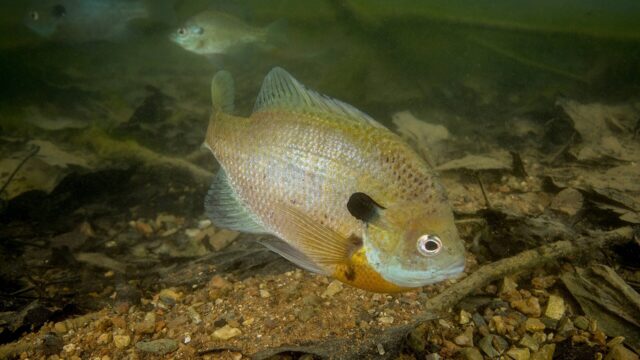
| Bluegill and other sunfish | Smooth the dorsal fin down from front to back and hold the body | Sharp dorsal spines |
| Walleye and pike | Do not lip. Hold across the back or cradle with two hands; use long pliers | Sharp teeth; pike gill rakers can cut |
| Catfish | Grip from above, behind the side spines, or support from beneath | Sharp dorsal and pectoral spines |
| Trout | Cradle loosely in wet hands, ideally keeping the fish in the water | Squeezing; trout are easily injured out of water |
What not to do
- Don’t put your fingers in or under the gill covers of fish you plan to release.
- Don’t squeeze. A firm but gentle hold beats a death grip.
- Don’t lay fish on hot decks, dry carpet, sand or rocks.
- Don’t hold fish by the eye sockets.
- Don’t let a fish flop around on the boat floor while you grab the camera.
Taking photos without harming the fish
- Get the camera ready, and agree who shoots, before lifting the fish out of the water.
- Keep the fish in the water (in a net or held by the lip) while you get set.
- Lift, support the belly, and hold it horizontally for a few quick frames.
- Hold it low, over the water or the boat, so a slip doesn’t mean a hard fall.
- Get it back in the water and release it gently. More release tips are in our catch and release guide.
For the best-looking photos, wet the fish for shine, keep your fingers off the gill area, and shoot with the sun behind the camera. None of that requires keeping the fish out of the water for long.
A note on teaching beginners and kids
Bass are a great species to learn on because the lip grip is simple and they have no sharp teeth. Have new anglers practice on small fish, keep the hook out of the way, and show them how to support bigger fish before they need to. If you’re not sure what kind of bass you’ve caught, our largemouth bass guide explains how to identify them.
Bottom line
Lip small and medium bass with a wet hand and keep the jaw straight. For heavy fish, add a hand under the belly and hold them horizontally, both for photos and when you weigh them. Use grips and pliers for toothy fish and treble hooks, keep fingers out of the gills, and keep air time short. Those simple habits protect the fish and your hands.
FAQ
Does holding a bass by the lip hurt it?
A brief lip hold on a small to medium bass is widely considered safe. The risk rises with heavy fish held vertically by the jaw, especially if the jaw is bent back, so support larger fish under the belly.
Do bass have teeth?
Bass have small, rough tooth pads rather than sharp teeth. They can scrape your thumb but won’t cut you like a pike or walleye.
Are fish grips bad for fish?
They’re useful for control and safety around hooks and teeth. The problem is hanging a heavy fish vertically from a grip; use the grip on the jaw and your other hand under the belly.
How long can a bass be out of the water?
There’s no single safe number, and conditions matter, especially water temperature. Aim for as short as possible, just long enough to unhook it and take a quick photo.