Fall Bass Fishing: Follow the Baitfish, Cover Water and Handle Turnover
Fall bass fishing can be feast or famine. The key is finding the baitfish, moving fast until you do, and knowing what turnover does to a lake.
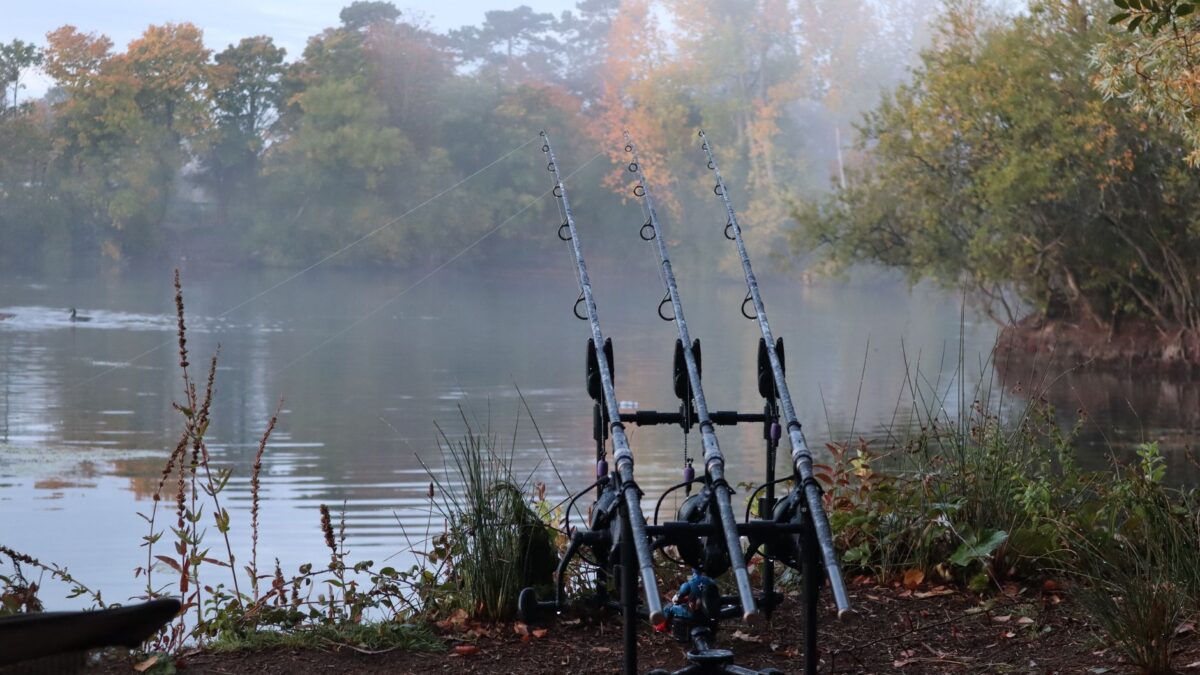
In fall, find the baitfish and you will find the bass. As the water cools from summer highs, schools of shad and other baitfish in many reservoirs drift toward creek arms, coves and shallow flats, and bass follow them. Cover water fast with reaction baits such as lipless crankbaits, squarebills, spinnerbaits and topwater until you find active fish, then slow down. If the lake is turning over, look for clearer water, moving water or areas that have already settled.
What changes in fall
Shorter days and cooler nights pull surface temperatures down from their summer peak. That ends the stable summer pattern and sets bass, and the baitfish they eat, on the move. Fish that spent summer on deep ledges or under docks start to spread out, often shallower and farther back into creeks.
The result can be frustrating: fish are less concentrated than in summer, and one bank can be full of life while the next is empty. The upside is that active fall bass often hit fast-moving lures, so you can cover a lot of water in a day.
Early, mid and late fall
| Stage | Typical surface temperature | Where bass tend to be | Lures to start with |
|---|---|---|---|
| Early fall | Upper 70s falling into the low 70s°F | Still on summer spots, starting to roam points and the mouths of creeks | Topwater walkers, spinnerbaits, deep and medium crankbaits |
| Mid fall | 60s | Creek arms, backs of pockets, flats and grass, wherever baitfish gather | Lipless crankbaits, squarebills, spinnerbaits, bladed jigs, topwater |
| Late fall | Upper 50s and cooling | Moving back toward steeper banks, channel swings and the first deeper water | Jerkbaits, jigs, swimbaits, crankbaits along rock |
These are typical ranges only. The timing varies from north to south and from lake to lake, and a single strong front can jump a lake from one stage to the next.
Follow the baitfish into the creeks
In many southern and midwestern reservoirs, shad are the main fall forage. As the water cools, they often move from the main lake into creek arms and toward the shallower back ends. To find them:
- Watch the surface for flickering or “nervous” water, schools skipping out of the water, and bass busting bait.
- Watch the birds. Gulls diving and herons lining a bank often point to baitfish.
- Use your electronics to spot bait clouds as you run into a creek, and fish the areas with the most bait.
- Work from the mouth toward the back. Start at the creek mouth and secondary points, then move back until you find the bait.
Match your lure size to the bait you see. If the shad are small, a smaller crankbait or swimbait often works better than a big one. Our guide to what bass eat covers other forage, such as bluegill and crayfish, which matter more in some lakes than shad.
Reaction baits: cover water first
Fall is a great time for lures you can cast far and retrieve quickly:
- Lipless crankbaits over flats and the tops of grass.
- Squarebill crankbaits bumped off wood, rock and dock posts in shallow water. See how to fish a crankbait for matching dive depth.
- Spinnerbaits and bladed jigs around shallow cover and in stained water. Our comparison of spinnerbaits vs bladed jigs helps you choose.
- Topwater walking baits and buzzbaits early and late, and on cloudy days.
- Swimbaits that resemble shad, especially when fish are following bait schools.
Once you catch a fish or two, slow down and work the area more thoroughly. Fall fish often group up around bait, so one bite can mean more fish nearby.
Understanding fall turnover
During summer, many deeper lakes and ponds stratify into a warm upper layer and a cold, oxygen-poor bottom layer. In fall, the surface cools and becomes denser until the layers are similar, and then wind mixes the whole lake. That event is turnover. The Missouri Department of Conservation notes that fall turnover can happen very quickly and can change the color, taste and smell of the water as material from the bottom mixes upward.
Signs that a lake is turning over include murky or off-color water, a musty or sour smell, foam and floating debris. Fishing during turnover is often tough because conditions change from day to day. Some ideas that help:
- Fish shallow water, where the mixing has less effect.
- Look for moving water, such as creek inflows, rivers and areas near dams.
- Try a different lake. Bodies of water turn over at different times depending on size, depth and weather.
- Be patient. Once the lake mixes fully, oxygen is spread through the whole water column again and fish can use any depth.
Not every lake shows obvious turnover. Shallow lakes may mix often all summer, and rivers don’t stratify the way deep lakes do.
Natural lakes, ponds and rivers
In northern natural lakes, the remaining green weeds are prime fall spots, because dying vegetation holds less life. In small ponds, bass often roam shallow edges on warm afternoons. In rivers, smallmouth gradually shift toward the deeper, slower pools where they will spend the winter.
Late fall: getting ready for winter
As water falls into the 50s, fish usually slide toward steeper banks, channel swings and deeper ends of points. Slower lures such as suspending jerkbaits and jigs start to outfish fast reaction baits. From there, our guide to winter bass fishing picks up the story.
Cooler water also raises the stakes if you fall in. Wear a life jacket, dress in layers and keep an eye on shortening daylight when you plan the run back to the ramp.
Bottom line
Fall bass fishing is about mobility. Find the baitfish, often in creek arms and on shallow flats, cover water with lipless crankbaits, squarebills, spinnerbaits and topwater, and slow down once you find fish. If the lake is turning over, go shallow, look for moving or clearer water, or try another lake until things settle.
FAQ
When does fall bass fishing start?
It starts when surface temperatures begin falling steadily from their summer highs. That happens earlier in northern states than in the South, and the timing shifts from year to year with the weather.
What is lake turnover and how does it affect fishing?
Turnover is the mixing of a lake’s warm upper layer and cold bottom layer as the surface cools. While it is happening, water quality and fish locations can change daily, which often makes fishing tough until the lake settles.
What is the best lure for fall bass?
Lipless crankbaits, squarebill crankbaits, spinnerbaits and topwater walking baits are popular because they cover water fast and resemble fleeing baitfish. Choose a size and color that match the local forage.
Are bass shallow or deep in the fall?
Both, but many bass move shallower in early and mid fall as they follow baitfish into creeks and onto flats. As water cools in late fall, they gradually move toward deeper water near steep banks and channels.