How to Fish a Crankbait: Square Bills, Deep Divers and the Retrieve That Gets Bit
A crankbait does most of the work for you, but only if it's running at the right depth and hitting the right things. Here's how to choose and fish one.
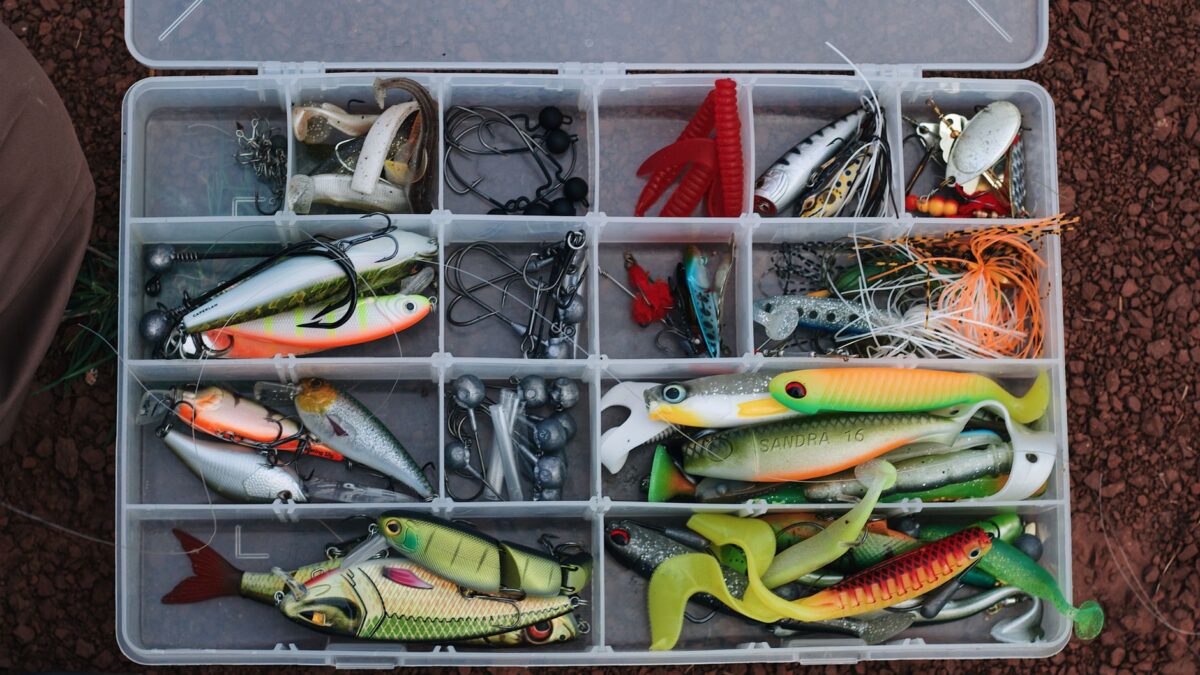
To fish a crankbait well, choose one that dives slightly deeper than the water or the fish you’re targeting, so it digs into the bottom or bumps cover on the way back. Cast it out, reel steadily, and when it hits a rock, stump or branch, pause for a moment and let it float up before you start again. That sudden change in direction is what triggers many strikes. Use a moderate-action rod so the treble hooks stay pinned, and speed up in warm water, slowing down as the water cools.
Crankbait types and depths
The lip, or bill, controls how deep a crankbait runs. The bigger and longer the lip, the deeper it dives. The ranges below are typical; the depth printed on the package is an estimate that changes with line, cast length and retrieve.
| Type | Typical depth | Where it shines |
|---|---|---|
| Square bill | About 1–5 ft | Shallow wood, rock, docks, grass edges |
| Medium diver | About 6–12 ft | Points, secondary points, channel swings, riprap |
| Deep diver | About 12–20 ft or more | Offshore ledges, humps, deep points in summer and fall |
| Flat-sided | Usually shallow to mid depths | Cold water and clear water, when a subtler wobble works better |
| Lipless | Varies with speed and pauses | Grass flats, covering water; ripped free of vegetation |
Square bills
The squared-off lip deflects off hard cover at sharp angles and helps keep the hooks out of snags. Square bills are made to be crashed into stumps, rocks, laydowns and dock posts. They’re a top choice in shallow water from spring through fall.
Medium and deep divers
Round or long-billed crankbaits reach deeper structure. A medium diver is ideal for points and channel edges; deep divers are for offshore structure, where they can search a large area quickly. Pair them with a lake map or electronics to find the right spots, as explained in how to read a lake for bass.
How to match dive depth
Several things change how deep a crankbait actually runs:
- Line diameter: thinner line has less drag in the water, so the bait dives deeper. Heavier line makes it run shallower.
- Line type: fluorocarbon sinks, so it can help a bait run a little deeper than monofilament of the same strength. Monofilament floats and slightly reduces depth.
- Cast length: a crankbait needs distance to reach its maximum depth. Long casts give it more time to dive.
- Rod position: holding the rod tip low, even dipping it into the water, adds a little depth.
- Trolling: a crankbait usually runs deeper when trolled than when cast; trolling is legal on many waters but check local rules.
The goal is contact. If a crankbait never touches the bottom on a point that’s 8 ft deep, try one rated a bit deeper. If it plows into the bottom so hard that it constantly snags, go shallower or use heavier line.
Deflection: why hitting things matters
A crankbait running in a straight line through open water is easy for a bass to ignore. When it hits a rock or a branch and darts off in a new direction, it looks like a startled baitfish or crayfish, and that’s often when the strike comes. To make the most of it:
- Cast past your target so the bait reaches its depth before it gets there.
- Reel steadily until you feel it bump cover.
- Pause for a second. Most crankbaits float, so the bait rises and backs off the cover.
- Resume reeling. Be ready for a strike right as it starts moving again.
When a crankbait snags, stop reeling and give it slack. Many floating crankbaits back out on their own. If not, move to the other side of the snag and pull from the opposite direction.
Retrieve speed
There’s no single correct speed, but water temperature is a good guide:
- Warm water (late spring through early fall): bass are active, and a fast, erratic retrieve often draws reaction strikes.
- Cooling water in fall: bass follow baitfish into creeks and onto flats; covering water with crankbaits is a classic pattern. See fall bass fishing.
- Cold water: slow down and switch to a flat-sided or tighter-wobbling crankbait.
Mix in stop-and-go retrieves, short bursts and pauses until the fish show you what they want.
Rod, reel and line
- Rod: about 7 to 7.5 ft, medium to medium-heavy power with a moderate or moderate-fast action. The softer bend lets a bass inhale the bait and keeps the trebles from tearing out. Fiberglass and composite blanks are popular for this reason. See how to choose a fishing rod.
- Reel: a lower gear ratio, around 5:1 to 6:1, makes deep divers easier to crank all day and helps keep a steady pace. Our gear ratio guide explains the numbers.
- Line: 10–15 lb fluorocarbon for medium and deep divers; heavier line, around 12–20 lb, for square bills around wood and rock.
Tuning a crankbait
A crankbait that veers to one side won’t run at full depth and may roll over at speed. To fix it, use needle-nose pliers to bend the line tie very slightly in the opposite direction from the way the bait is running. Make tiny adjustments and test it near the boat after each one.
Setting the hook and landing fish
Crankbait bites often feel like the bait suddenly stopped or got heavier. Don’t snap the rod back. Keep reeling and sweep the rod to the side to load it, then keep steady pressure. Avoid slack and don’t horse the fish, especially near the boat, where treble hooks are most likely to pull free. A landing net helps, and pliers make removing trebles safer for you and the fish.
Bottom line
Pick a crankbait that runs a little deeper than the water you’re fishing so it contacts the bottom or cover, and pause when it deflects. Use square bills shallow, medium divers on points and deep divers offshore. Fish them on a moderate-action rod with fluorocarbon line, and adjust speed to the water temperature.
FAQ
What depth crankbait should I use?
One rated slightly deeper than the water or fish you’re targeting, so it bumps the bottom or cover. For example, a bait that runs about 10–12 ft for an 8–10 ft point.
What is the best rod for crankbaits?
A 7–7.5 ft medium or medium-heavy rod with a moderate or moderate-fast action, often fiberglass or composite, which helps keep treble hooks from pulling out.
Why do bass come off crankbaits?
Usually because of slack line, a rod that’s too stiff, or too much force near the boat. Keep steady pressure and let the rod bend absorb the fish’s head shakes.
When should I use a square bill?
In shallow water, roughly 1–5 ft, around wood, rock and docks. It’s most effective when you deliberately run it into cover.