How to Catch Largemouth Bass: A Step-by-Step Plan for Beginners
Skip the giant tackle box. One rod, five proven lures and a simple plan for where to cast will catch largemouth in most lakes and ponds.
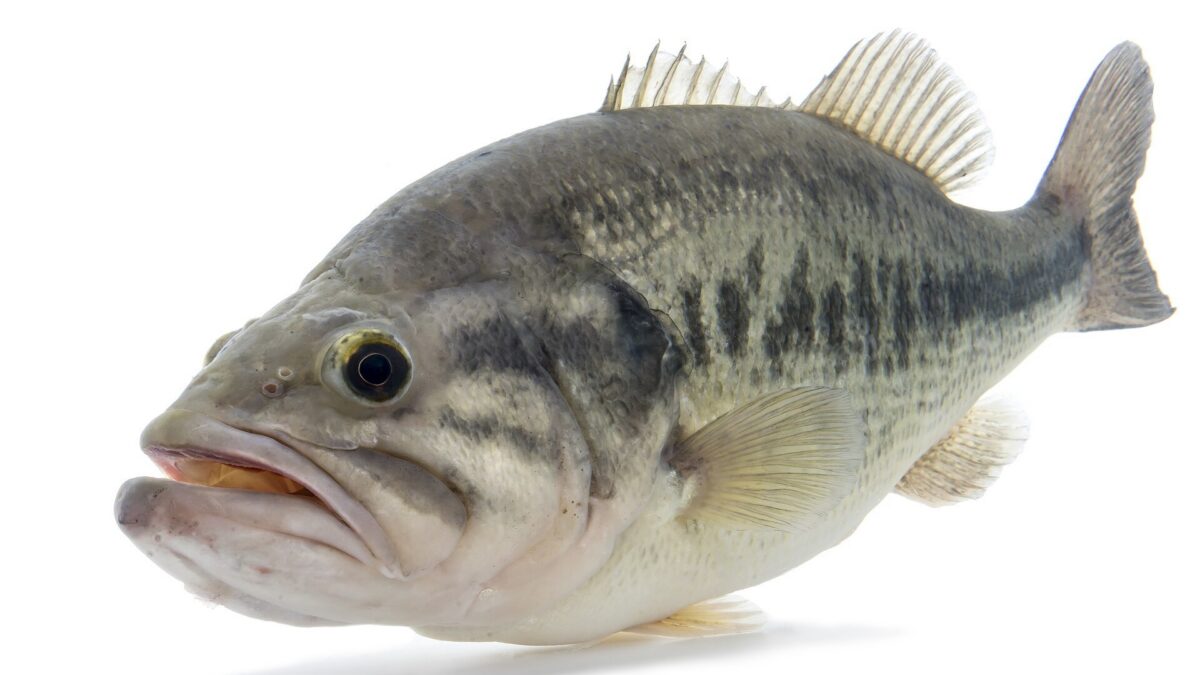
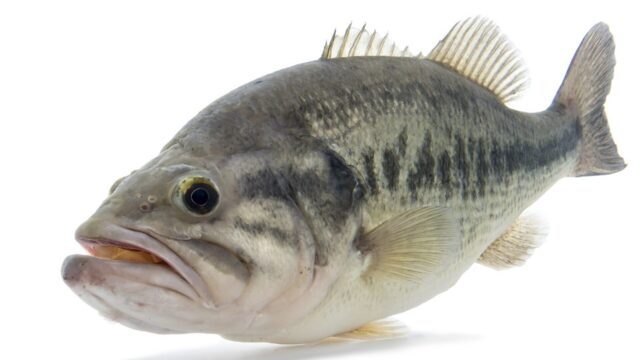
To catch largemouth bass, fish near cover (weeds, wood, docks, rocks and shade) in water from about 2 to 12 feet deep, and start with a Texas-rigged soft plastic worm, which works almost anywhere. Add a wacky-rigged stick bait, a spinnerbait, a square-bill crankbait and a topwater lure, and you have a kit that covers most conditions. Fish at dawn and dusk when you can, cover water until you get bites, then slow down in that area.
Step 1: Get legal and choose a spot
- Buy a fishing license from your state wildlife agency online or at a licensed retailer, and read the bass rules for your water: size limits, bag limits and any spring spawning restrictions. Rules vary by state and by lake. Take Me Fishing links to every state’s license page.
- Pick a smaller water first. A pond, a small lake or a single creek arm is easier to learn than a huge reservoir. Public lakes in parks and wildlife management areas are good starting points.
- Check the weather. Overcast days, light wind and stable weather tend to be easier than bright, calm days right after a cold front.
Step 2: Set up one versatile outfit
A 7-foot medium-heavy rod with a fast action handles most of the lures below. A spinning reel is easier to learn; a baitcasting reel handles heavier line and cover better once you get the hang of it. Spool it with 12- to 15-pound fluorocarbon or monofilament, or 30- to 40-pound braid if you fish thick weeds. Our guide to the best first bass setup goes into rod, reel and line choices by budget.
Also bring: needle-nose pliers, line clippers, a few offset worm hooks (sizes 3/0 and 4/0 for 6- to 7-inch worms), a small pack of bullet weights (1/8 to 3/8 ounce), and polarized sunglasses to see cover and fish.
Step 3: Know where bass hold
Largemouth are ambush predators. Look for anything that breaks up the bank or bottom and gives them shade or a hiding spot:
- Weed edges and holes or points in weed beds
- Fallen trees, stumps and brush
- Docks, especially the shady side and the corners
- Points, where the shoreline sticks out into deeper water
- Inflows such as creeks and culverts, which bring food and cooler or warmer water
- Drop-offs where a shallow flat meets deeper water
In spring and fall, focus on shallower cover. In the heat of summer, fish shallow early and late, then move to shade, thick weeds or deeper edges at midday. In winter, slow down and fish the deepest water near the cover you would fish in spring.
Step 4: Start with these five lures
| Lure | Best places | Basic retrieve | When it shines |
|---|---|---|---|
| Texas-rigged worm | Weeds, wood, docks, drop-offs | Lift and let fall, or drag slowly along the bottom | Any season, especially when fish are slow |
| Wacky-rigged stick bait | Docks, weed edges, spawning areas | Cast, let it sink on slack line, twitch and let it fall again | Spring, post-spawn, pressured fish |
| Spinnerbait | Banks, weed lines, wood, windy points | Steady retrieve just below the surface or slow-rolled deeper | Stained water, wind, clouds, fall |
| Square-bill crankbait | Shallow wood, rock and docks (1–4 ft) | Steady retrieve that bumps the lure into cover | Spring and fall in warm shallow water |
| Topwater (popper or walking bait) | Calm water over weeds, points, shade lines | Pop-pause or a side-to-side “walk” with rod twitches | Dawn, dusk, summer and early fall |
Texas-rigged worm
Slide a bullet weight onto the line, tie on an offset worm hook, thread the hook point into the worm’s head about a quarter inch, bring it out the side, then turn it and bury the point back into the body so it’s weedless. Cast past the cover, let it sink to the bottom on a semi-slack line, then lift the rod tip slowly and let the worm fall back. Most bites come on the fall and feel like a tap or simply extra weight. Our Texas rig guide shows the rigging step by step.
Wacky-rigged stick bait
Hook a 5-inch stick bait through the middle, ideally with an O-ring to save baits, using a size 1 to 2/0 wacky or octopus-style hook. Cast it to docks and edges and let it sink slowly; the ends shimmy on the fall. Watch your line, since bass often grab it before it hits bottom.
Spinnerbait
A 3/8- or 1/2-ounce spinnerbait with willow-leaf or Colorado blades is hard to snag and covers lots of water. Retrieve just fast enough to feel the blades thump. Run it past stumps, along weed lines and over submerged grass.
Square-bill crankbait
The square lip bounces off wood and rock without snagging as often as round-lip crankbaits. Reel steadily so it digs into cover; the deflection off a stump or rock is often what triggers the strike.
Topwater
Cast to calm water near cover, let the rings disappear, then work it. When a bass hits, wait until you feel the fish’s weight before setting the hook; pulling the instant you see the splash is the most common way to miss topwater bites.
Step 5: Set the hook and land the fish
How you set the hook depends on the lure:
- Single-hook soft plastics (Texas rig, wacky rig): when you feel a bite, reel up slack until the line is tight, then sweep the rod firmly up or to the side. You need force to drive the hook through the plastic and into the jaw.
- Treble-hook lures (crankbaits, many topwaters) and spinnerbaits: keep reeling and make a steady, sweeping pull rather than a hard jerk. The fish is often already hooked.
Keep the line tight and the rod bent while you play the fish, let the drag work if it surges, and lift it by the lower jaw (for smaller bass) or support it with two hands if it’s big. More detail is in our guide on how to set the hook.
Step 6: Release or keep, responsibly
If you release a bass, keep it in the water while you unhook it, wet your hands before handling it, and get it back quickly. Texas Parks and Wildlife’s catch-and-release tips suggest keeping a fish out of the water no longer than you can hold your breath. If you keep fish, follow the size and bag limits for that water.
Common beginner mistakes
- Fishing open water with no cover nearby
- Using line that’s too light for the cover, which leads to break-offs
- Moving the bait too fast in cold water
- Staying too long in one spot without bites; move and cover water until you find active fish
- Setting the hook too early on topwater and too softly on soft plastics
Bottom line
Get your license, pick a manageable lake, and fish cover with one medium-heavy outfit. Start with a Texas-rigged worm, then rotate through a wacky rig, spinnerbait, square-bill and topwater depending on light, wind and season. Sweep hard on soft plastics, pull steadily on treble hooks, and handle fish gently if you release them.
FAQ
What is the single best lure for a beginner?
A Texas-rigged soft plastic worm in a natural color such as green pumpkin. It’s weedless, cheap and catches bass in every season.
What time of day is best for largemouth bass?
Early morning and evening are usually best, especially in summer. On cloudy or windy days, bass may feed actively all day.
How deep should I fish for largemouth bass?
Most beginners do best between about 2 and 12 feet near cover. Go shallower in spring and fall, and deeper or into heavy shade at midday in summer and in winter.
Why do I keep missing bites?
Usually there’s slack in the line or the hook set comes too early or too soft. Reel down until the line is tight before setting on soft plastics, and wait to feel weight on topwater.