Bass Fishing From Shore: How to Find Spots, Where Bass Hold and What to Throw
You don't need a boat to catch bass. Find legal access, walk the bank, and fish the cover and drop-offs bass use near shore with a few weedless lures.
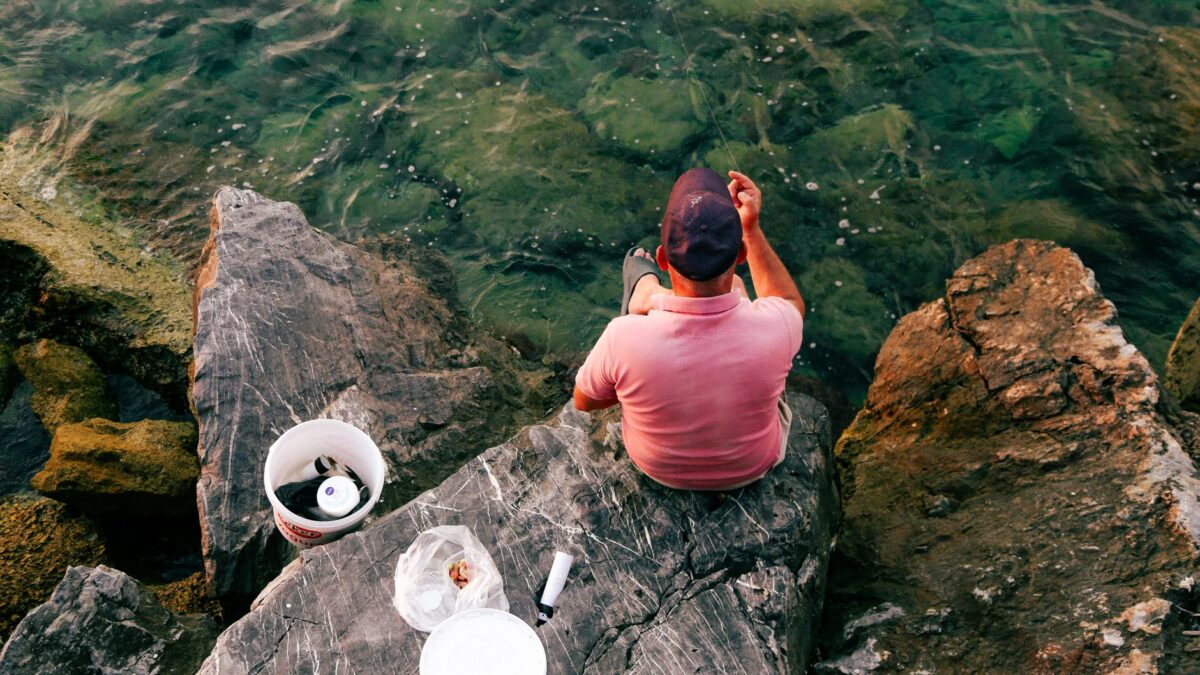
Bass fishing from shore works best when you keep moving: find a lake or river with legal public access, walk the bank, and make a few casts to every piece of cover, point and drop-off within reach. Bring one 7-foot rod, a small bag of weedless lures such as a Texas-rigged worm, a spinnerbait and a frog, and fish early and late when bass move closest to the bank.
Finding places to fish from shore
Access is the first hurdle. Good options include:
- State wildlife agency access sites: most agencies publish maps of public fishing areas, piers, boat ramps with bank access and wildlife management areas.
- City, county and state parks: many have lakes with trails along the shoreline, and some cities run stocked community fishing lakes.
- Reservoir shoreline: many large reservoirs, including those operated by federal agencies, allow bank fishing on public land around the lake, except near dams, swimming areas and posted zones.
- Bridges and road crossings: only where fishing and parking are legal and it’s safe to stand away from traffic.
Take Me Fishing has a guide to finding fishing spots with a map of places to fish and boat ramps. Satellite views in mapping apps also help you spot points, coves and trails before you go.
Never trespass. Private land, private ponds and posted property require the owner’s permission, and laws on access to rivers and shorelines vary widely by state. If you’re not sure, ask or find another spot. And make sure you have a valid fishing license for the state you’re in.
Where bass hold near the bank
Bass don’t need to be far offshore to be catchable. Look for these features within casting distance:
- Points: where the bank juts out into the lake. Fish both sides and the tip, especially when wind blows onto them.
- Fallen trees and brush: cast parallel to the trunk and along the branches.
- Weed edges and lily pads: work the outside edge, holes and pockets.
- Docks and piers: where fishing from public piers is allowed, fish the shady side and the posts.
- Riprap and rock banks: dams (where legal), causeways and bridge abutments hold crayfish and baitfish.
- Inflows and culverts: creeks and drains bring food and different water temperatures, especially after rain.
- Drop-offs: a spot where shallow water suddenly gets deeper close to shore is gold, especially in summer.
- Shade lines: trees, bridges and buildings throw shade that bass use on bright days.
A simple approach: fish parallel to the bank first. Many shore anglers cast straight out over deep water and miss fish sitting right along the edge in front of them.
Lures that cast far and avoid snags
| Lure | Why it works from shore | Best situation |
|---|---|---|
| Texas-rigged worm or creature bait | Weedless, casts well with a bullet weight, works at any depth | Cover, weed edges, drop-offs |
| Spinnerbait | Casts far, deflects off wood, covers water fast | Stained water, wind, banks with scattered cover |
| Lipless crankbait | Heavy and compact, among the longest-casting lures | Open water, grass flats, fall and early spring |
| Hollow-body frog | Completely weedless over pads and mats | Summer weed mats and lily pads |
| Swim jig or paddle-tail swimbait | Long casts, steady retrieve through sparse cover | Weed edges, points, baitfish |
| Weightless stick bait (wacky or Texas) | Slow, natural fall | Short casts to visible cover, pressured fish |
| Walking topwater | Casts well, draws fish up | Calm mornings and evenings |
For rigging details, see our Texas rig guide and our overview of topwater lures for bass.
Avoiding snags and losing fewer lures
- Use weedless rigs (hook point buried in the plastic) around wood and weeds.
- Choose single-hook baits over treble hooks near heavy cover.
- Use a bullet weight that’s just heavy enough to reach bottom.
- If you snag, try changing your angle by walking down the bank, or slack the line and let the lure fall back before pulling.
- Carry a lure retriever if you fish deep, snaggy banks.
- Never leave tangled line on the bank; it harms birds and wildlife.
Simple gear for the bank
- Rod and reel: a 7-foot medium-heavy spinning or baitcasting outfit. Longer rods cast farther and help steer fish around cover.
- Line: 30- to 40-pound braid for distance and pulling fish out of weeds, with a 12- to 15-pound fluorocarbon leader in clear water, or 12- to 15-pound fluorocarbon or monofilament on its own.
- Bag: a sling or backpack with one or two small tackle boxes, not a heavy tackle box. Our tackle box essentials list helps you pack light.
- Tools: pliers, line clippers, a lip gripper or towel, and a small landing net if banks are steep.
- Comfort and safety: polarized sunglasses, sun protection, water, sturdy shoes with good grip, and a phone in a waterproof case.
Tactics that help shore anglers
- Cover water: make a few casts, take a few steps. Moving finds active fish faster than waiting.
- Be quiet: stay back from the edge, avoid heavy footsteps, and don’t let your shadow fall on shallow water.
- Fish the wind: the bank the wind is blowing toward often has more baitfish and more active bass.
- Time it: bass are often closest to shore early and late in the day, on cloudy days and, in summer, at night where night fishing is allowed.
- Follow the seasons: spring and fall are prime for bank anglers because bass move shallow to spawn and feed.
Bank safety
Banks can be slippery, undercut or steep. Watch your footing on rocks and riprap, keep kids close, avoid fishing near dam spillways and restricted areas, and be careful casting near trails and other people. Never wade into unknown water without checking depth and current.
Bottom line
Shore fishing for bass is about legal access, mobility and the right few lures. Find public water, walk the bank, fish points, wood, weeds, docks and drop-offs, and cast parallel to the shore as well as straight out. A Texas-rigged worm, a spinnerbait, a lipless crankbait and a frog cover most bank situations with minimal snags.
FAQ
What is the best lure for bass fishing from shore?
A Texas-rigged soft plastic worm is the most versatile because it’s weedless and works at any depth. A spinnerbait or lipless crankbait is a good second choice for covering more water.
What time of day is best for shore fishing?
Early morning and evening, when bass move shallow to feed. Overcast and windy days can be good all day.
How far out are bass from the shore?
Often closer than people think. In spring, fall and at low light, many bass are within a few yards of the bank around cover.
Can I fish from any public shoreline?
Not always. Some public areas prohibit fishing near swimming beaches, docks, dams or posted areas, and shoreline access laws vary by state. Check posted signs and local rules.