Best Time of Day to Fish for Bass, Season by Season
Early and late are the safe bets, but bass don't read the clock. Here is how the best fishing hours change through the year, and how much the moon really matters.
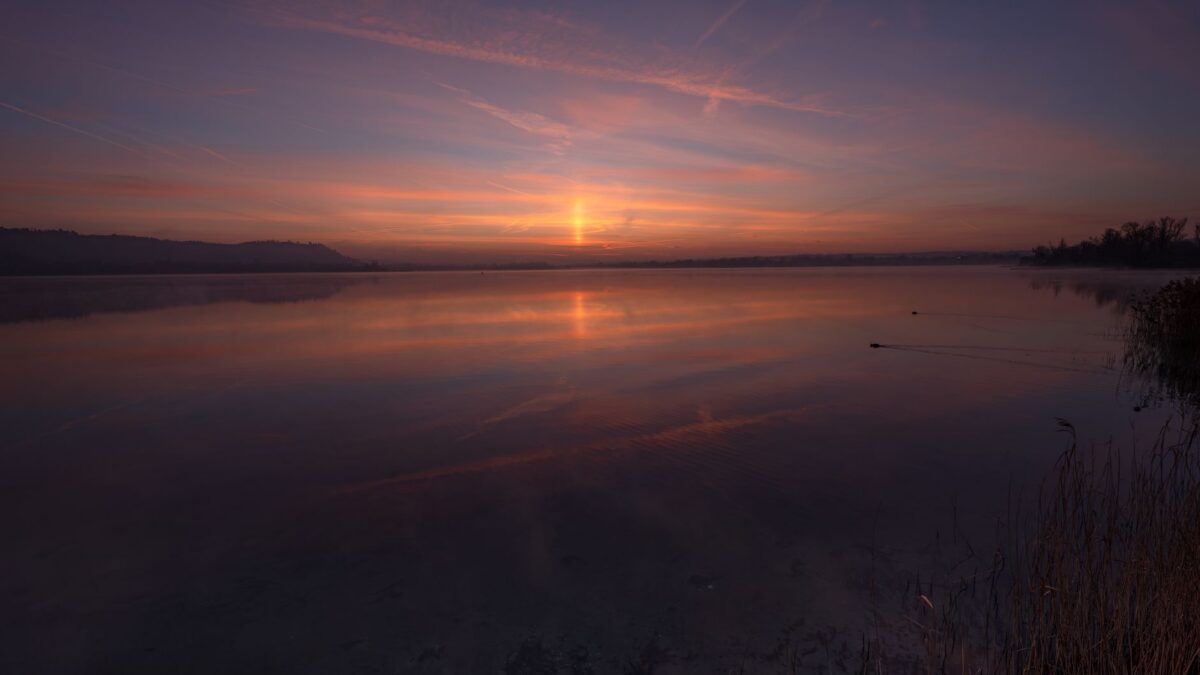
The most reliable times to fish for bass are early morning and evening, when light is low and bass move shallow to feed. The Missouri Department of Conservation notes that largemouth are most active at dawn and dusk. But the best hours change with the season: in summer, first light, evening and even night are best; in early spring, late fall and winter, the warmest part of the afternoon often beats the morning. Clouds, wind and stable weather can make the middle of the day good, too.
Why low light is usually best
Bass are ambush predators. In low light, they can get close to baitfish, crayfish and sunfish more easily, and many prey animals are more active in shallow water at those times. Low light also makes bass less wary of boats and anglers. In summer, early morning offers the coolest water of the day, which adds to the effect.
That doesn’t mean bass only feed at dawn and dusk. They eat whenever conditions give them an edge, and those conditions shift with water temperature, weather and fishing pressure.
Best time of day by season
| Season | Usually best | Why |
|---|---|---|
| Early spring (pre-spawn) | Late morning through late afternoon | Shallow water warms during the day, and fish move up as it does |
| Spawn | Midday on sunny days for sight fishing; any time for general fishing | High sun makes beds easy to see; fish stay shallow all day |
| Summer | First light to a couple of hours after sunrise, the last hours before dark, and night | Cooler water and low light; midday fish move deep or into shade |
| Fall | Often all day, especially overcast days; afternoons as it gets colder | Fish follow baitfish; cooling water keeps them active longer |
| Winter (open water) | Midday to mid-afternoon | The warmest water of the day, especially in sunny, sheltered spots |
These are general patterns. Your lake, region and the weather that week can easily change them.
Spring
Before the spawn, a few degrees of warming over a sunny day can bring fish into shallow pockets and onto flats by the afternoon. Mornings after a cold night can be slow. During the spawn itself, fish are shallow all day, and sight anglers prefer high sun for spotting beds.
Summer
Topwater at first light is a classic summer pattern. By midday, many fish move to deeper structure or heavy shade, and the bite becomes more about location than timing. On hot, busy lakes, night fishing can be the best option of all.
Fall
As the water cools, bass often feed through more of the day, especially when skies are cloudy. Late in the fall, afternoons usually get better as mornings turn cold.
Winter
In open water, there is little reason to be on the water at dawn. The afternoon is typically warmest, and sunny banks, rock and protected pockets can be a few degrees warmer than the main lake.
Weather can matter more than the clock
A cloudy, breezy day can extend the low-light window for hours, while a clear, calm, post-front day can make even the morning slow. Some common patterns:
- Cloud cover lets bass roam and chase, which is great for moving baits.
- Wind breaks up light on the surface and moves baitfish; see fishing in the wind.
- Cold fronts often bring bright skies and a tougher bite for a day or two; see fishing after a cold front.
- Stable weather over several days usually produces the most predictable fishing.
Our guide to weather and fishing covers pressure, rain and wind in more detail.
Fishing pressure and boat traffic
On busy lakes, the quietest hours are often the best. Early mornings, weekdays and evenings after the pleasure boats leave give bass a chance to settle. If you can only fish weekends on a popular lake, being on the water at first light helps.
What solunar tables can and cannot tell you
Solunar tables, which trace back to John Alden Knight’s work in the 1920s and 1930s, predict “major” and “minor” feeding periods based on the position of the moon: major periods when the moon is overhead or directly underfoot, minor periods around moonrise and moonset. Many fishing apps include them.
What they can do: give you a simple way to choose between two otherwise equal times to fish. What they cannot do: account for water temperature, weather, light, wind, fishing pressure or the season, which have a much clearer effect on bass. Research on whether solunar periods actually change bass catch rates is limited and the results are mixed, so treat the tables as a minor tie-breaker rather than a plan.
If you can only go once
- Pick the low-light window for the season: early morning in summer, afternoon in winter and early spring.
- Check the forecast and favor cloudy or lightly windy days with stable weather.
- Avoid the day right after a strong cold front if you can.
- Go when boat traffic is light.
- Use the solunar table only to break a tie.
Bottom line
Dawn and dusk are the safest bets for bass most of the year, but they are not the whole story. In summer, add night; in cold months, favor the warmest part of the afternoon. Weather, light and fishing pressure usually matter more than any table, so let conditions decide and use solunar times only as a tie-breaker.
FAQ
Is morning or evening better for bass fishing?
Both are good. In summer, early morning offers the coolest water and the least boat traffic, while evenings can be just as productive after a hot, calm day. In cold weather, late afternoon usually beats early morning.
Do bass bite in the middle of the day?
Yes. Bass can be caught midday, especially on cloudy or windy days, in deeper water, under heavy cover and shade, and during the colder months when midday is warmest.
Do solunar tables work for bass?
The evidence is limited and mixed. Solunar times can help you choose between two similar windows, but water temperature, weather and light are more important.
What time do bass bite in winter?
In open water, the bite is often best from late morning through mid-afternoon, after the sun has had time to warm shallow water and rock a few degrees.