Fishing in the Wind: How Wind Positions Bass and How to Use It
A steady breeze is often a bass angler's best friend. Here is where to fish when the wind blows, what to throw, and when it is time to head in.
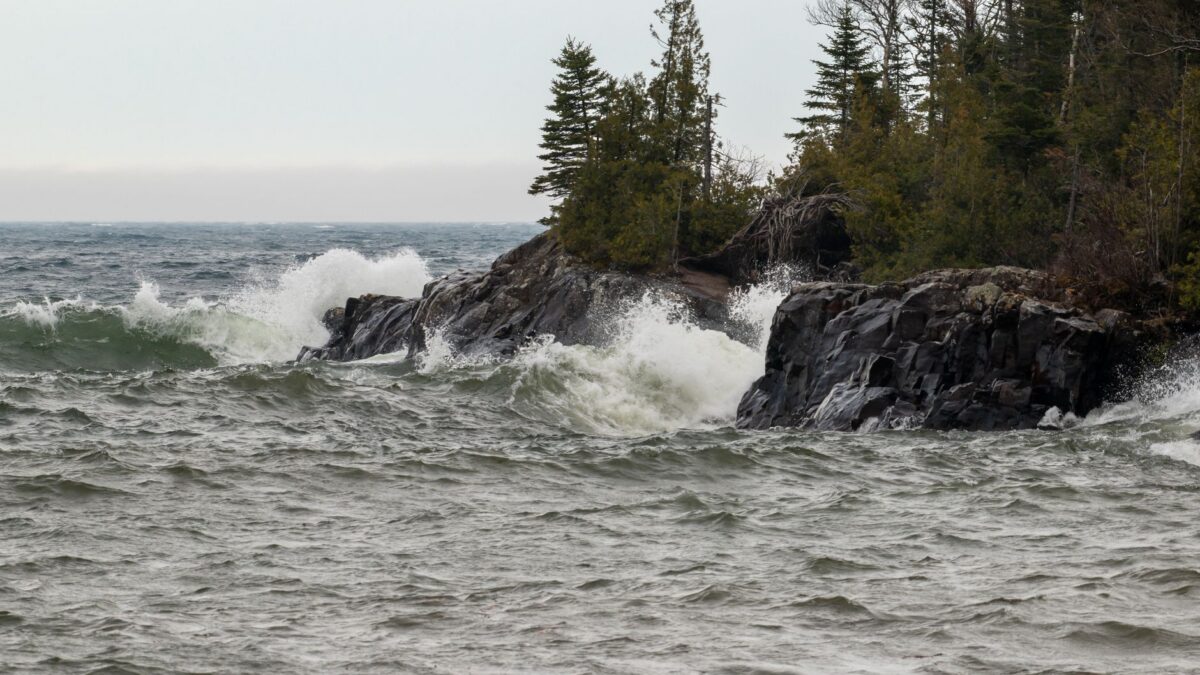
A moderate wind usually helps bass fishing. Fish the windblown side: banks, points and flats where the wind is pushing waves into structure, because baitfish tend to gather there and bass feed more boldly under a broken surface. Use moving lures that cut through chop, such as spinnerbaits, bladed jigs, crankbaits and lipless crankbaits, go heavier on weights, and control the boat with the trolling motor, a drift sock or an anchor. If the wind is strong enough to make the water unsafe for your boat, stay off it.
How wind affects bass and baitfish
Wind does several things at once:
- It moves the food chain. Wind tends to push surface water, plankton and the small baitfish that feed on them toward the downwind shore. Predators follow.
- It breaks up light. Ripples and waves scatter sunlight and hide the angler and the line, so bass are often less wary and more willing to chase.
- It creates current. Water pushed across a point or along a bank creates a light current, and bass often face into it to ambush food.
- It can stir up the water. Waves hitting soft banks can create a muddy band, or “mudline,” along the shore, which bass sometimes use as cover.
The effect is strongest with a steady wind that has been blowing from the same direction for a while. A wind that just switched direction may take time to reposition bait.
Where to fish on a windy day
Windblown points
Points that stick out into the wind are prime spots. Bass often hold on the side the wind hits, or just around the corner where the current eddies. Position the boat so you can cast across the point and bring your bait with the flow of water.
Windblown banks and flats
Look for banks where the wind has been pushing in for hours, especially those with rock, wood, grass or a nearby drop-off. Flats next to deeper water can light up when wind pushes bait onto them.
Wind-protected areas
Calm water isn’t always worse. In early spring, a cold wind can chill shallow water, and protected pockets that warm in the sun may hold more active fish. When the wind is too strong to fish exposed water safely, sheltered coves and creek arms are the sensible option.
A good lake map helps you plan which spots the wind will hit; our guide on how to read a lake for bass explains points, flats and breaks.
Best lures for windy days
| Lure | Why it works in wind | Tips |
|---|---|---|
| Spinnerbait | Flash and vibration in choppy, stained water; casts well | Willow blades for flash, Colorado blades for more thump |
| Bladed jig | Strong vibration, compact profile | Steady retrieve along grass edges and windblown banks |
| Crankbaits | Cast into the wind, deflect off cover | Match dive depth to the bottom; bump rock and wood |
| Lipless crankbait | Long casts, noisy, covers flats fast | Rip it free of grass to trigger strikes |
| Jerkbait | Strong choice for smallmouth on windy rock and points | Shorter pauses in warmer water, longer in cold |
| Soft plastics with heavier weights | Better feel and bottom contact in wind | Go up a weight size so you can feel the bottom |
For help choosing between the two most common wind baits, see spinnerbait vs bladed jig. Topwater lures can still work in a light chop; a walking bait or popper that moves a lot of water is easier for fish to find than a subtle one.
Casting in the wind
- Cast with the wind or across it whenever you can. You’ll get longer, more accurate casts.
- Keep your casts low to reduce the amount of line the wind catches.
- Close the bail or engage the reel as the lure lands and reel up slack right away, so the wind doesn’t belly your line.
- Heavier, more compact lures are easier to cast into the wind.
Casting a baitcaster into the wind is a common cause of backlash. Add a bit more brake, keep a thumb on the spool and see our guide on how to stop baitcaster backlash.
Boat and kayak control in the wind
- Set up upwind and drift through. Start upwind of the area and let the wind move you along a bank or across a flat, using the trolling motor to steer.
- Use a drift sock. A drift sock (a small sea anchor) slows your drift so you can fish more thoroughly.
- Anchor when you find fish. A regular anchor, a shallow-water anchor pole or a GPS “anchor” mode on some trolling motors can hold you in place. Anchor off the bow, not the stern, on small boats, so waves don’t come over the transom.
- Give the trolling motor enough power. Fighting wind drains batteries quickly. Our trolling motor buying guide explains thrust and battery choices.
- Kayaks: a stakeout pole in shallow water or an anchor on an anchor trolley helps, and paddling back upwind takes more effort than you might expect, so start your trip by going into the wind.
When it’s too windy
Wind that makes the fishing better can also make the water dangerous. Before you launch, check the forecast, including National Weather Service marine forecasts if you fish large waters like the Great Lakes. Then:
- Know your boat’s limits. Whitecaps and steep waves are a warning sign for small boats, canoes and kayaks.
- Remember that wind often builds through the afternoon and can switch direction when a front passes.
- Wear a life jacket, and keep it on while running in rough water.
- Plan a route that keeps you close to shelter, and leave early rather than late.
Bottom line
A steady, moderate wind is usually good news. Fish windblown points, banks and flats where bait gets pushed, throw moving baits like spinnerbaits, bladed jigs and crankbaits, and use heavier weights to stay in touch with the bottom. Control your drift with the trolling motor, a drift sock or an anchor, and never let a good bite talk you into unsafe water.
FAQ
Is bass fishing better in the wind?
Often, yes. A moderate wind breaks up the surface, moves baitfish and makes bass less wary. Very strong wind makes fishing difficult and can be unsafe.
Which side of the lake should I fish when it is windy?
Start on the windblown side, meaning the banks and points the wind is blowing toward. In cold early spring, also check protected pockets that warm faster.
What is the best lure for windy days?
Spinnerbaits, bladed jigs, crankbaits and lipless crankbaits are popular because they cast well, cover water and give off vibration. For smallmouth, a jerkbait on windy points is a classic choice.
How windy is too windy to fish?
It depends on your boat, the size of the water and your experience. If you see whitecaps on open water in a small boat, canoe or kayak, stay in sheltered areas or off the water, and check official forecasts before you go.