Ice Fishing Rods and Reels: Length, Power and Line Picks
Ice fishing rods and reels explained: how length and power fit panfish and walleye, inline vs spinning reels, and which line to spool for each.
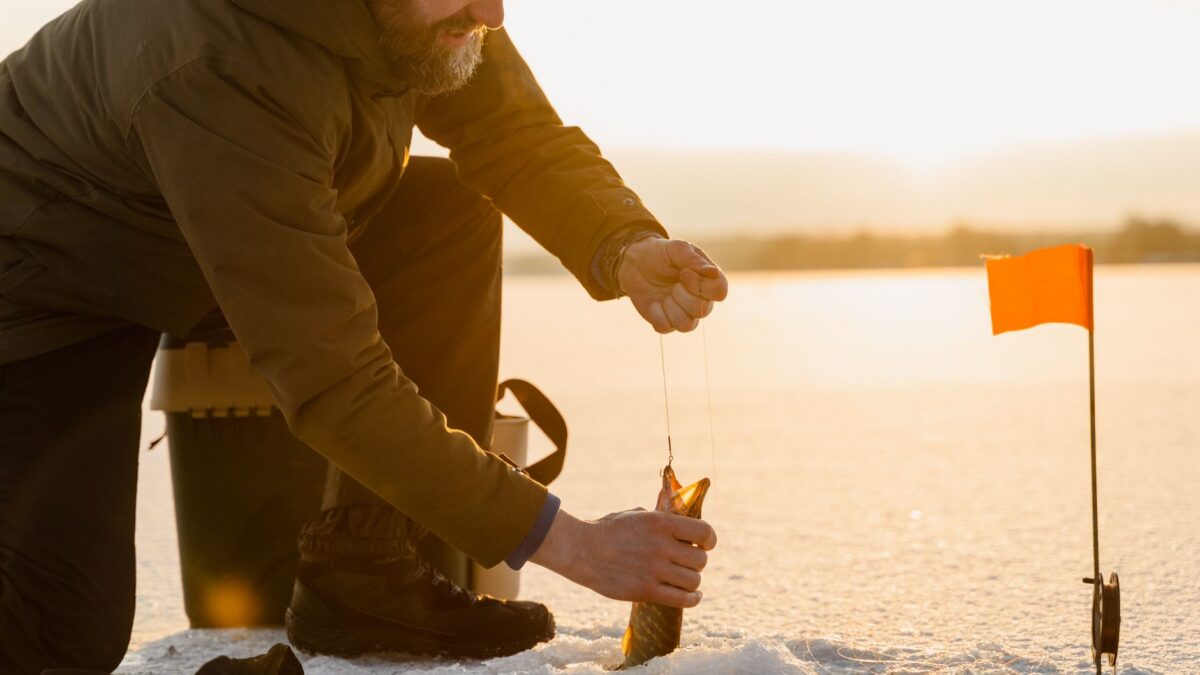
For ice fishing, choose a short rod, usually about 18 to 36 inches, with a power and action matched to the fish: ultralight to light for panfish, light to medium for walleye. Pair it with a small reel and thin line. Sit-down fishing over a hole rewards sensitivity and control, not casting distance, which is why ice gear looks so different from open-water gear.
Why ice rods are short
You fish straight down a hole, often inside a shelter or crouched over a bucket. A long rod is awkward in that space and gets in the way of the hole, the shelter walls and your partner. A short rod puts the tip close to the water, so small movements of your wrist turn into precise movements of the lure.
Short rods also make it easier to see and feel a light bite. Many panfish bites on the ice are subtle: the line goes slack or the tip twitches slightly. A rod that lets you watch the tip closely is more useful than one that is merely strong.
Length and power by species
Panfish (bluegill, crappie, perch) have small mouths and take small jigs. Common choices are:
- Length: about 18 to 28 inches for fishing in a shelter or on a bucket; slightly longer if you stand or want more reach.
- Power: ultralight to light, so the tip bends under the weight of a tiny jig and shows a bite.
- Action: fast or extra fast, meaning the tip is soft and the rest of the rod is stiffer, so you can see bites and still set the hook.
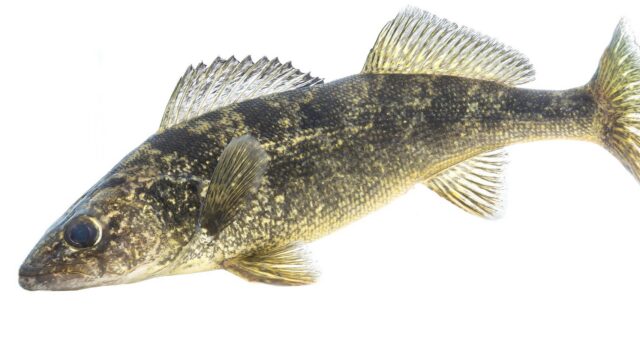
Walleye are bigger and are often fished with heavier jigging spoons or rattle baits. Common choices are:
- Length: about 24 to 36 inches. The extra length helps with longer lift-and-drop strokes and gives more shock absorption on a strong fish.
- Power: light to medium or medium, depending on lure weight and how big the fish are.
- Action: moderate fast to fast, which holds a fish through headshakes without pulling the hook.
If you want one rod for both, a light-power rod around 26 to 30 inches is a workable compromise, though a dedicated panfish rod will show light bites better. For a broader explanation of power and action, see this guide on how to choose a fishing rod.
Inline vs spinning reels
Ice reels are small, and two types are common.
Inline reels
An inline reel looks like a spool turned sideways, mounted along the rod. Line comes off the spool in a straight line with the rod, so it does not twist the way line can on a spinning reel. That makes inline reels popular for light line and for fishing straight down. They have little or no drag, so you handle a fish by hand-lining or by feel, which suits small panfish.
Spinning reels
A small spinning reel has a drag, which helps when a larger fish, such as a walleye, makes a run. It also lets you drop a heavier lure quickly. The trade-off is line twist, especially with thin line, and a bail and rotor that can freeze in cold weather. If you are starting out, a spinning reel is more forgiving. If you want to spool one correctly, see how to spool a spinning reel without line twist.
Choosing line
Ice lines are thin because the water is often clear and the fish are cautious. Common options include:
- Monofilament: inexpensive, forgiving and easy to knot. Good for general use, though it can hold coils after sitting on a spool in the cold.
- Fluorocarbon: less visible in water and more sensitive, often used as a leader.
- Braid: very thin for its strength and does not stretch, so bites are easy to feel. It is often paired with a short fluorocarbon or mono leader because it is visible and can freeze.
As a rule of thumb, panfish setups often use about 2 to 4 pound line, while walleye setups often use about 6 to 10 pound line, heavier if you fish around structure or expect bigger fish. Use the lightest line that still lands the fish you expect. For a general chart, see this guide to fishing line weight.
Common mistakes
- Rod too stiff for the jig: a heavy rod hides light bites on small lures.
- Rod too light for walleye: a soft panfish rod struggles with heavier spoons and larger fish.
- Heavy line for panfish: thick line holds small jigs up and spooks fish in clear water.
- Not letting gear cool: wet line and reels can ice up when you take them from a warm vehicle. Dip the line and keep the reel free of slush.
- Skipping care: rinse and dry reels after trips and before storing them for the season.
Whatever you choose, bring safety gear for the ice as well as tackle. The ice fishing gear checklist covers it.
Quick answers
Can I use a regular rod for ice fishing?
You can, but it is awkward. A full-length rod is hard to use inside a shelter and over a small hole, and it is not sensitive enough for light bites. A short ice rod is a low-cost upgrade.
Do I need a drag on an ice reel?
Not for small panfish, where you can control the fish by hand. For walleye and other larger fish, a drag gives you a margin for error when a fish runs.
What is the best line for ice fishing?
There is no single best line. Mono is a good all-round choice, fluorocarbon helps in clear water, and braid with a leader adds sensitivity. Match the pound test to the fish and the lure.