Fishing Gifts for Kids: Rods, Tackle Boxes and Life Jackets by Age
The best fishing gifts for kids are a short spincast combo, a small tackle box and a properly sized life jacket. See what fits ages 3 to 12 and up.
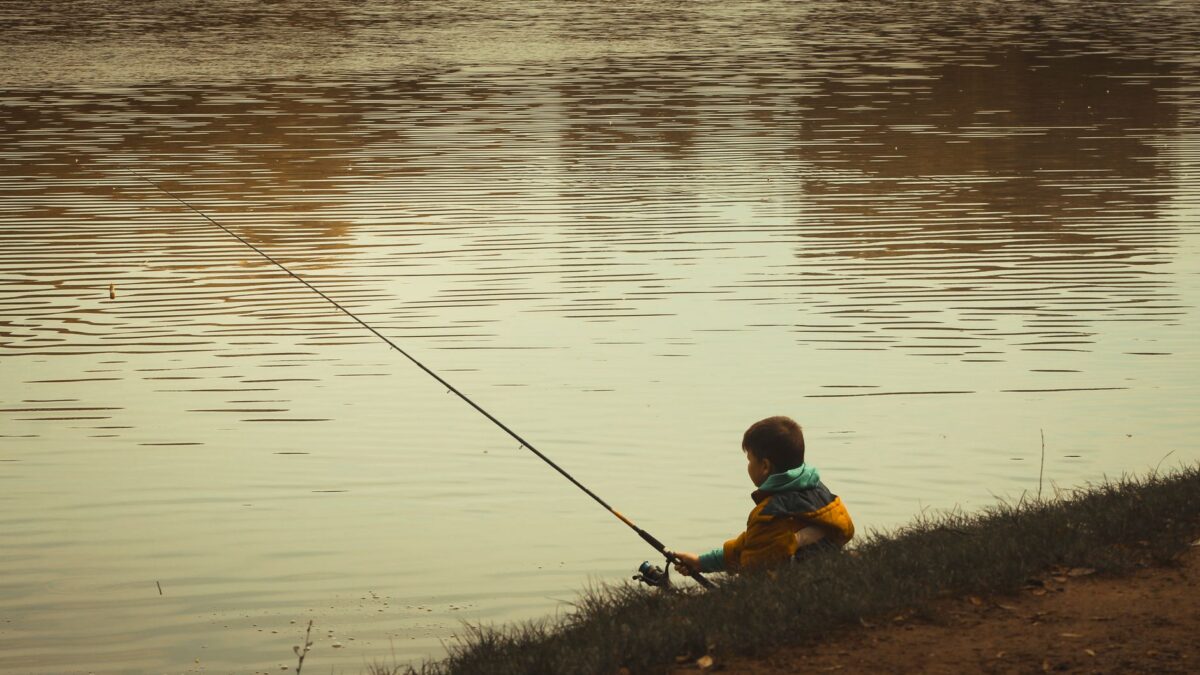
The best fishing gifts for kids are a short rod and reel combo matched to their age, a small tackle box stocked with simple bait-fishing gear, and a Coast Guard-approved life jacket sized by the child’s weight. Children aged about 3 to 6 do best with a 3 to 4 foot (0.9 to 1.2 m) push-button spincast combo, ages 7 to 10 with a 4.5 to 5.5 foot (1.4 to 1.7 m) spincast or light spinning combo, and kids 11 and older can usually handle a full-size 6 foot (1.8 m) spinning outfit. A life jacket that actually fits matters more than any rod.
What rod and reel combo fits each age?
The right first combo depends on hand size, coordination and patience, so match the reel type and rod length to the child rather than buying something to grow into.
- Ages 3 to 5: a short character or “junior” spincast combo, 2.5 to 4 feet (0.8 to 1.2 m), with the reel pre-spooled. The push-button reel is the easiest to cast, and a short rod is easier to control near other people. Expect an adult to do most of the baiting and unhooking.
- Ages 6 to 9: a 4 to 5 foot (1.2 to 1.5 m) spincast combo with a fiberglass or composite rod. These rods bend a lot, forgive being stepped on or banged on a dock, and still feel a bluegill pulling. Look for a reel with a metal front cone rather than all plastic.
- Ages 10 to 12: many kids are ready for a 5 to 5.5 foot (1.5 to 1.7 m) ultralight or light spinning combo. Spinning reels cast farther and tangle less inside the reel, but they need a little practice opening the bail and catching the line with a finger.
- Teens: a standard 6 to 7 foot (1.8 to 2.1 m) medium-light or medium spinning rod, the same kind of outfit described in our guide to a first bass fishing setup.
Pre-spooled line in the 6 to 8 lb (about 2.7 to 3.6 kg) test range suits nearly every kids’ combo. If you want to understand power and action before choosing a bigger rod, see how to choose a fishing rod.
Spincast or spinning reel: which is better for a child?
A spincast reel is better for most children under about 9, and a spinning reel is better once a child can reliably time a cast. With spincast, the child presses the button, swings the rod forward and lets go; the line is enclosed, so loops and snarls are rare. The trade-off is shorter casts and a drag that is often less smooth. Spinning reels need two coordinated motions, but they give longer casts and handle light line well. A baitcasting reel is not a good first reel for any child because it backlashes easily.
What should go in a kids’ tackle box?
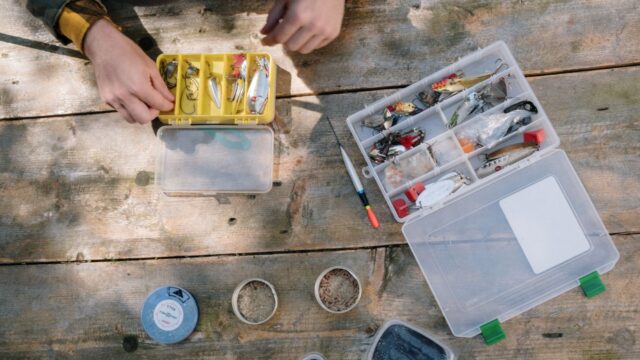
A kids’ tackle box should be small, light, and filled with the handful of items that catch panfish, not a large assortment of bass lures. A one- or two-tray box or a soft bag with one clear utility box is plenty. A good starter kit includes:
- Small hooks, sizes 6 to 10, which suit bluegill, sunfish and small perch
- Round plastic bobbers in a couple of sizes, the kind that clip on
- Split shot sinkers in an assortment pack
- A few small soft-plastic grubs or tiny jigs for when live bait runs out
- A pair of needle-nose pliers or a plastic hook remover for unhooking
- Line clippers or child-safe scissors
- A small towel for wiping hands
Pre-rigged bobber-and-hook kits save time at the water. Barbless hooks, or regular hooks with the barb pinched flat, make unhooking fish and fingers much easier. For ideas on what an older child’s box might grow into, our list of tackle box essentials covers the next step up.
How do you choose the right life jacket for a child?
Choose a U.S. Coast Guard-approved life jacket labeled for the child’s weight, and check the fit every season because kids outgrow them quickly. In the United States, children’s life jackets are commonly sold in three weight bands:
- Infant: under 30 lb (under about 14 kg)
- Child: 30 to 50 lb (about 14 to 23 kg)
- Youth: 50 to 90 lb (about 23 to 41 kg)
For young children, look for a jacket with a padded head support, a grab handle on the collar and a crotch strap that keeps it from riding up over the chin. To test the fit, fasten every buckle and zipper, then lift the jacket by the shoulders: it should not slide up past the ears or chin. Inflatable life jackets are not intended for young children, so stick with foam. Federal rules require children under 13 to wear a life jacket on a moving recreational boat unless they are below deck or in an enclosed cabin, and many states set their own age rules, so check yours. A life jacket is also a good idea on docks, piers and steep banks.
What other gifts make a child’s first fishing trips better?
The best add-on gifts are items that keep a child comfortable and involved, because a cold, sunburned or bored kid wants to go home early. Useful extras include:
- A brimmed hat and kids’ polarized sunglasses, which protect eyes from hooks and glare
- A small landing net with a rubber mesh that is gentle on fish
- A fish ruler or measuring sticker for the cooler lid, so every catch gets measured
- A simple fish identification guide or waterproof card for local species
- A kids’ folding chair or bucket seat for the bank
- Water shoes or rubber boots for muddy shorelines
For an older child who is already hooked, a fishing subscription box can keep new gear arriving through the season.
What mistakes should you avoid when buying fishing gear for kids?
The most common mistake is buying a rod that is too long or a reel that is too complicated, which leads to tangles and frustration in the first hour. Other mistakes to avoid:
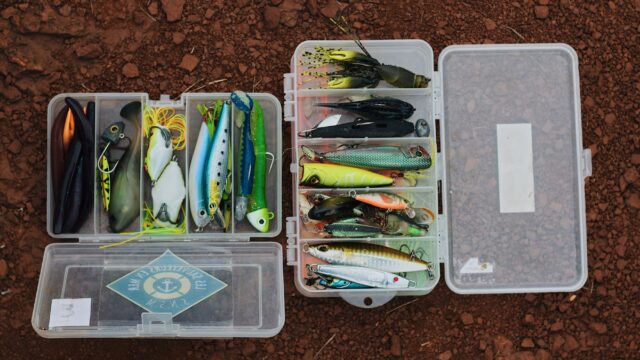
- Stocking the box with large bass lures and treble hooks, which are hard for kids to handle safely and rarely catch the panfish children are most likely to hook
- Choosing a life jacket “to grow into,” which can slip off in the water
- Skipping eye protection; a sharp backswing can put a hook near a face
- Forgetting that in most states children under a certain age fish without a license, while teens often need one; check your state wildlife agency’s current rules
Plan the first trip around fish that bite often. A pond full of sunfish is ideal, and our guide to bluegill fishing for beginners and kids explains the simple bobber setup that works.
Quick answers
What age can a child start fishing?
Many children can start around age 3 with a short spincast combo and close adult help. By about 6 or 7, most can cast and reel on their own, though they still need help with hooks and fish.
Are character-themed kids’ fishing combos worth buying?
For ages 3 to 5 they are fine, since the short length and push-button reel suit small hands. Once a child fishes regularly, a plain spincast or ultralight spinning combo of a similar size usually lasts longer and casts better.
Should kids use live bait or lures?
Live bait such as worms under a bobber is the best start because it catches fish without needing a retrieve technique. Small soft-plastic grubs and tiny jigs are a good next step once the child wants to cast and reel.
Does a child need a fishing license?
In most states, children below a set age, often somewhere in the early-to-mid teens, can fish without a license, but the cutoff varies by state. Check your state wildlife agency before the trip.