The Best First Bass Fishing Setup: One Rod, Reel and Line Plus a Starter Tackle List
You don't need a boat full of rods to start catching bass. One well-chosen spinning setup and a small box of proven lures will handle most situations.
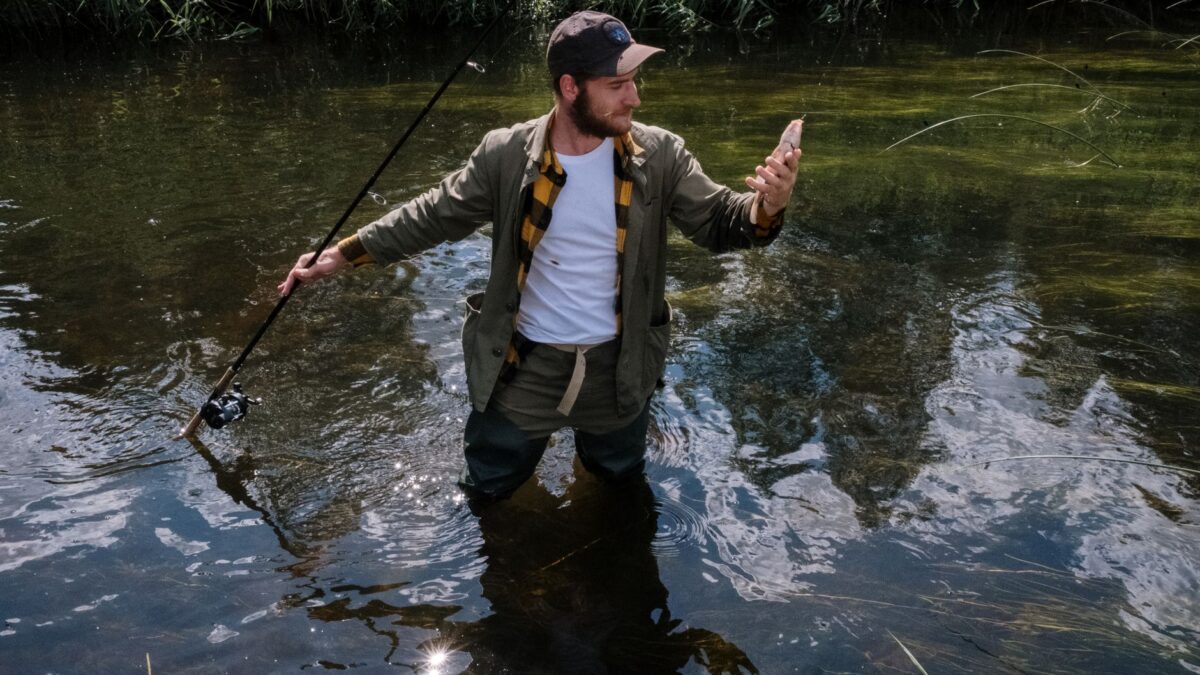
The best first bass setup is a 7-foot, medium-power, fast-action spinning rod with a 2500 or 3000-size spinning reel, spooled with 10–12 lb monofilament or 10 lb fluorocarbon. That one outfit casts the soft plastics, small crankbaits, spinnerbaits and topwaters that catch most bass, it’s easy to learn, and it still handles panfish and walleye. Add a small box of terminal tackle and five or six lure types and you’re ready to fish.
The rod: 7 ft, medium, fast
A 7 ft rod casts far enough for shore fishing and still feels manageable in a small boat or kayak. Medium power handles lures from about 1/4 to 3/4 oz, which covers most beginner baits. Fast action bends mostly in the top third, so it’s sensitive for feeling bites on soft plastics but still forgiving enough for treble-hook lures.
If you’ll mostly fish thick weeds, wood or lily pads, step up to medium-heavy. If you’ll fish small ponds with light lures, medium-light works too. Our rod buying guide explains power, action and length in detail.
The reel: a 2500–3000 spinning reel
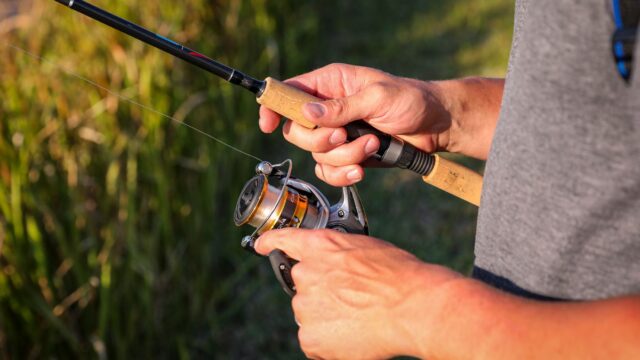
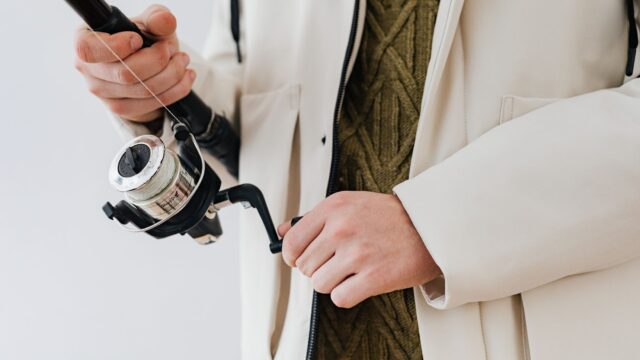
A spinning reel is the easiest type to cast and doesn’t backlash the way a baitcaster can. Look for:
- Size 2500 or 3000 (some brands label them 25 or 30). Big enough for bass, light enough for all-day casting.
- Gear ratio around 5.2:1 to 6.2:1, which is typical for spinning reels and picks up line quickly enough on a wide spool.
- Smooth drag with a clear adjustment knob on the front of the spool.
- Aluminum or graphite body; either is fine at this level.
A baitcaster can come later, once you want to fish heavier lures and thicker cover and have time to practice thumb control.
The line: keep it simple
For a first setup, use 10–12 lb monofilament (cheap, forgiving, easy knots) or 10 lb fluorocarbon (sinks, less visible, more abrasion resistant). Braid with a fluorocarbon leader is a great upgrade, but it adds a knot to learn and needs backing on some spools. Fill the spool to about 1/8 inch below the lip and no more, or loops will jump off on the cast.
Combo or separate rod and reel?
A pre-matched spinning combo from an established rod or reel maker is the most budget-friendly start and removes the guesswork about balance and size. Buying a rod and reel separately costs more but lets you choose each piece’s specs. Either way, check that the rod is labeled medium (or medium-light to medium-heavy), fast action, about 7 ft, and that the reel is in the 2500–3000 size range.
Starter tackle list by budget
Tight budget: the essentials
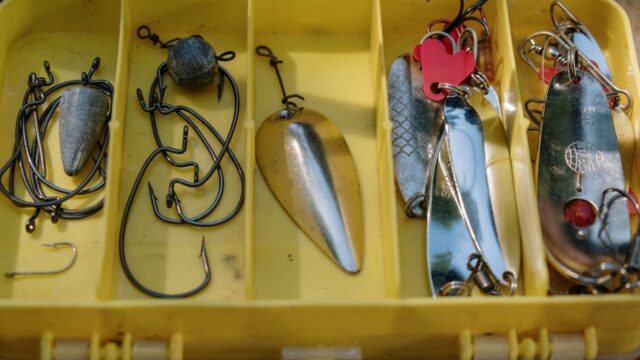
- One bag of 5-inch stick worms and a pack of size 1 or 1/0 wacky hooks (wacky rig)
- One bag of 6–7 inch plastic worms, 3/0 offset worm hooks and 1/8–1/4 oz bullet weights (Texas rig)
- One 3/8 oz spinnerbait in white or chartreuse and white
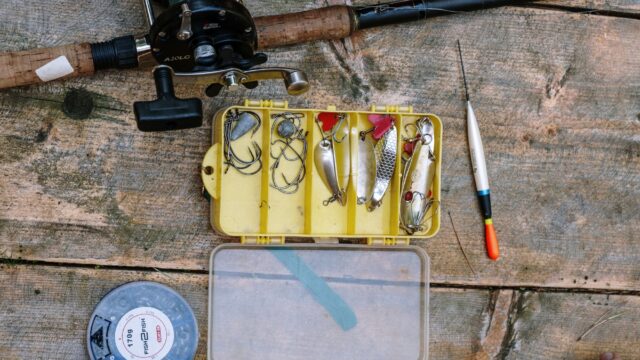
- Needle-nose pliers, line clippers and a small utility box
- Your fishing license
Moderate budget: add versatility
- A shallow-running squarebill crankbait in a shad or crawfish color
- A topwater popper or walking bait for low-light hours
- A few Ned rig jigheads (1/10–1/6 oz) and small soft plastics for tough days
- A 3/8 oz bladed jig or swim jig
- A second spool or spare line, a lip-grip or rubber net, and a hook file
Bigger budget: a second outfit
- A 7 ft medium-heavy casting rod with a baitcaster around 7:1, spooled with 15 lb fluorocarbon or 40–50 lb braid, for jigs, Texas rigs and spinnerbaits
- A few jigs (3/8–1/2 oz) with craw trailers
- Polarized sunglasses, which help you see cover, fish and drop-offs
For what each lure does and when to throw it, see our guide to the essential bass lures for beginners.
Don’t forget the non-tackle basics
- A fishing license. Most states require one for anglers above a set age, and rules, prices and exemptions vary by state. Our guide on how to get a fishing license walks through it.
- Local regulations. Size limits, bag limits and closed areas vary by state and by individual lake. Check your state wildlife agency’s current rules before keeping fish.
- Safety. Wear a life jacket on any boat or kayak, carry sunscreen and water, and keep pliers handy for removing hooks.
- Access. Fish public water or get permission on private ponds. Don’t cross posted land.
Bottom line
One 7 ft medium, fast spinning rod with a 2500–3000 reel and 10–12 lb line is the most versatile first bass setup. Add a wacky rig, a Texas-rigged worm, a spinnerbait, a squarebill and a topwater, and you can fish nearly any lake or pond through the year. Upgrade with a baitcasting outfit once you know which techniques you use most. Take Me Fishing’s beginner gear overview is another helpful checklist.
FAQ
What size spinning reel is best for bass?
A 2500 or 3000 size suits most bass fishing. Smaller sizes are better for panfish and trout; larger sizes add weight without much benefit for bass.
Should a beginner start with a baitcaster?
Usually not. A spinning setup is easier to learn and handles more lure weights. Add a baitcaster later for heavier lures and thick cover.
What line should I put on my first bass reel?
10–12 lb monofilament is the simplest and cheapest. 10 lb fluorocarbon sinks and is less visible, which helps with soft plastics in clear water.
How many lures do I need to start bass fishing?
Five or six types are plenty: a wacky-rigged stick worm, a Texas-rigged worm, a spinnerbait, a squarebill crankbait, a topwater and a Ned rig.