How to Dress for Ice Fishing: Layers, Float Suits, Boots, Gloves and Staying Dry
Staying warm on the ice is about layers, wind protection and keeping dry. Here is what to wear from head to toe, and the warning signs of frostbite and hypothermia.
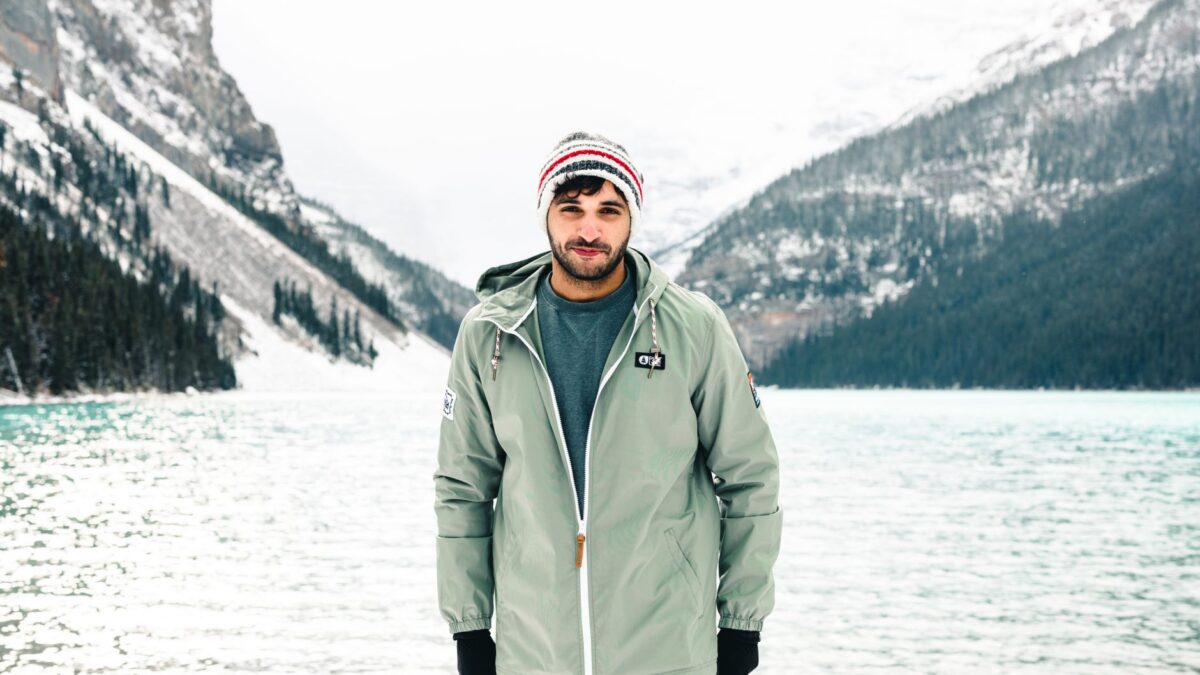
Dress for ice fishing in three layers: a moisture-wicking base layer (synthetic or wool, not cotton), an insulating mid layer such as fleece or wool, and a windproof, waterproof outer layer, ideally a float suit that adds buoyancy if you break through. Add insulated waterproof boots with wool socks, a hat and face covering, a glove system with spares, and hand warmers. Above all, stay dry: sweat and wet gloves make you cold faster than low temperatures alone.
The layering system
| Layer | Job | Good materials | Avoid |
|---|---|---|---|
| Base | Moves sweat away from skin | Merino wool, synthetic thermal underwear | Cotton, which stays wet and cold |
| Mid | Traps warm air | Fleece, wool, synthetic or down insulated jackets | Anything too tight to trap air |
| Outer | Blocks wind and water | Insulated, waterproof bibs and parka, or a float suit | Non-waterproof shells when kneeling on wet ice |
Layers let you adjust. Open zippers or take off a mid layer while you drill holes or walk out, then add it back once you sit still.
Float suits
A float suit is an insulated, waterproof jacket and bib with built-in buoyancy. If you fall through the ice, it helps keep you afloat and insulates you while you climb out with your ice picks. The Minnesota DNR recommends wearing a life jacket or buoyant gear on the ice, except inside a vehicle.
Know what you are buying: many ice fishing float suits are sold as buoyancy aids and are not Coast Guard-approved life jackets. Read the label, and check how the manufacturer describes the flotation. A float suit doesn’t replace ice picks, a throw rope or checking ice thickness; see our ice thickness guide.
Boots and socks
- Insulated, waterproof boots made for extended cold. Removable liners are handy because you can dry them overnight.
- Room for socks. Boots that are tight with thick socks squeeze circulation and make feet colder. Try boots on with the socks you’ll wear.
- Wool or synthetic socks, with a thin liner sock if you like. Pack a spare pair in a plastic bag.
- Ice cleats (creepers) over your boots for grip on glare ice.
Gloves and hands
Hands are the hardest part to keep warm because you’re handling wet line, bait and fish.
- Thin liner or fingerless gloves for tying knots and baiting hooks.
- Insulated mitts for walking and between bites. Mitts keep fingers together, so they are usually warmer than gloves.
- Waterproof gloves for handling tip-up line, setting holes and landing fish.
- Spares in an inside pocket, where body heat keeps them warm and dry.
- A small towel to dry hands right after touching water.
Head, face and eyes
- A warm hat that covers your ears, or a hood.
- A neck gaiter or face mask for wind, which also protects cheeks and nose.
- Sunglasses or goggles. Sun reflecting off snow and ice is bright and can strain your eyes.
Hand and foot warmers
Disposable air-activated warmers are inexpensive and effective in mitts, pockets and boots. Use products made for the spot you put them in (toe warmers for boots, for example) and follow the package directions, since some warn against direct contact with skin for long periods. Rechargeable warmers and heated gloves or socks are another option; carry spare batteries and keep them warm.
Staying dry
- Walk out slowly and vent. Sweating on the walk out soaks your base layer, then chills you once you sit.
- Keep knees and seat dry. Waterproof bibs, knee pads or a pad on your bucket seat help when you kneel at the hole.
- Shake off slush before it soaks through boots and pant legs.
- Swap wet gloves immediately for dry spares.
- Use a shelter on windy days to block wind and keep snow off. See our ice fishing shelter guide for heater and carbon monoxide safety.
Wind chill, frostbite and hypothermia
Wind makes cold air far more dangerous. On the National Weather Service’s wind chill chart, an air temperature of 0°F with a 15 mph wind gives a wind chill of about -19°F, at which exposed skin can freeze in about 30 minutes. Check the forecast for wind as well as temperature.
Know the warning signs. According to the CDC, frostbite may start with redness or pain, then show as white or grayish-yellow skin that feels unusually firm or waxy, with numbness. Hypothermia warning signs in adults include shivering, exhaustion, confusion, fumbling hands, memory loss, slurred speech and drowsiness. If you or anyone in your group shows these signs, get to a warm place and get medical help if needed.
If you fall through the ice, keep your clothes on while you get out. The Minnesota DNR notes that winter clothing can trap air for warmth and flotation. Once out, get somewhere warm and replace wet clothing as soon as possible.
Bottom line
Wear a wicking base layer, an insulating mid layer and a windproof, waterproof outer layer or float suit, then add good boots, a glove system with spares, a hat, face protection and hand warmers. Vent before you sweat, swap anything wet right away, watch the wind chill, and know the signs of frostbite and hypothermia. Our ice fishing gear checklist covers the rest of the kit.
FAQ
Is a float suit worth it for ice fishing?
For many anglers, yes. It’s warm, waterproof and adds buoyancy if you break through. Most are buoyancy aids rather than Coast Guard-approved life jackets, so read the label and still carry ice picks.
Why shouldn’t I wear cotton ice fishing?
Cotton holds moisture from sweat or snow and loses much of its insulation when wet, which chills you quickly. Wool and synthetics handle moisture better.
How do I keep my hands warm while ice fishing?
Use thin gloves for fine work, mitts between bites, waterproof gloves for wet jobs, hand warmers in pockets and mitts, and dry spares in an inside pocket.
What should I wear on my feet for ice fishing?
Insulated, waterproof boots with room for wool or synthetic socks, plus ice cleats for traction. Pack a spare pair of socks.