Ice Fishing for Beginners: When to Start, What Gear You Need and How to Find Fish
You need less gear than you think: safe ice, a way to make a hole, a short rod, small jigs and the right clothes. Here is how to plan your first day on the ice.
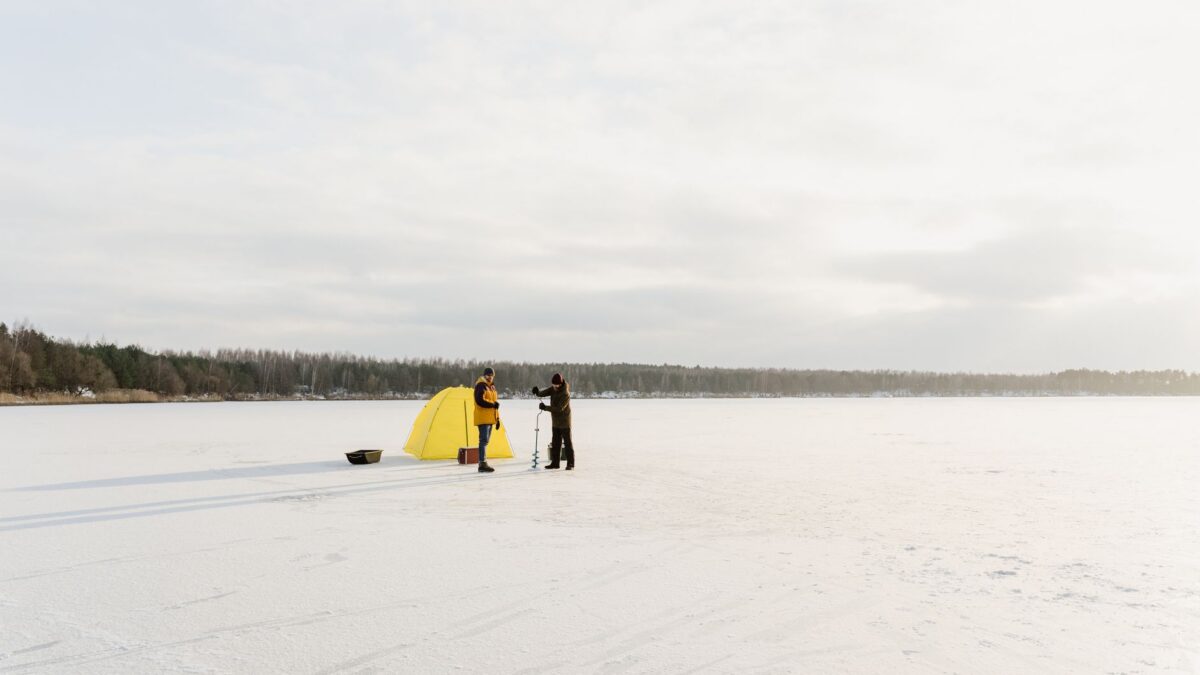
Start ice fishing once a local report and your own test holes show at least 4 inches of new, clear ice (the Minnesota DNR minimum for walking), and remember that no ice is ever 100% safe. For a first trip you need a fishing license, a way to drill a hole, a short ice rod with light line, a few small jigs with live bait, a skimmer, ice picks and warm, layered clothing. Target panfish such as bluegill and perch near weed edges and drop-offs, and move if you don’t get bites.
When to start
Ice season starts at different times across the northern US, and one lake can be safe while the next one is still open. Small, shallow, sheltered lakes freeze first; big lakes, rivers and anything with current freeze later and less evenly.
- Check the ice, not the calendar. Ask a local bait shop or resort for an ice report, then drill test holes as you walk out.
- Know the minimums. The Minnesota DNR recommends staying off ice under 4 inches and doubling the guidelines for white (snow) ice. Our ice thickness guide has the full chart and a checking routine.
- Go with someone. Fishing with a partner who has done it before is the fastest way to learn and the safest way to start.
First ice, the first few weeks after safe ice forms, is often a productive time to fish, but it is also when thickness varies most. Be extra careful early and late in the season.
The minimum gear
You can spend a lot on ice gear, but a first trip needs only a short list:
- Fishing license from your state. See how to get a fishing license if you don’t have one yet.
- A way to make holes. A hand auger is the cheapest option and works well on early ice. Some anglers borrow or rent a power auger at first.
- Skimmer or ladle to clear slush and ice chips from the hole.
- One or two ice rods, roughly 24–36 inches long, light or ultralight, with a small spinning reel or inline reel.
- Light line, typically 2–4 lb test for panfish and somewhat heavier for walleye.
- Small jigs in a few colors, plus live bait such as waxworms, spikes (maggots) or small minnows, where legal.
- A bucket to carry gear and sit on.
- Safety items: ice picks worn around your neck, a throw rope, ice cleats for your boots and a life jacket or float suit.
A flasher (ice sonar), a shelter and tip-ups make ice fishing easier and more comfortable, but they can wait. The full list is in our ice fishing gear checklist.
Which fish to target first
Panfish are the easiest place to start: they are common, they bite small baits, and they often school, so one fish usually means more nearby. Here is where common species tend to be in winter, as general starting points:
| Species | Typical winter spots | Starter bait |
|---|---|---|
| Bluegill | Weed edges and weedy flats, often in shallow to mid depths | Tiny jig tipped with waxworm or spikes |
| Yellow perch | Soft-bottom flats and edges of drop-offs, near bottom | Small jig or spoon with spikes or a minnow head |
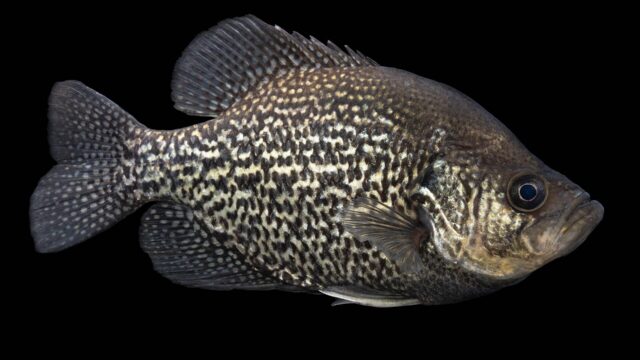
| Crappie | Suspended over deeper basins and near structure | Small jig or a small minnow under a bobber |
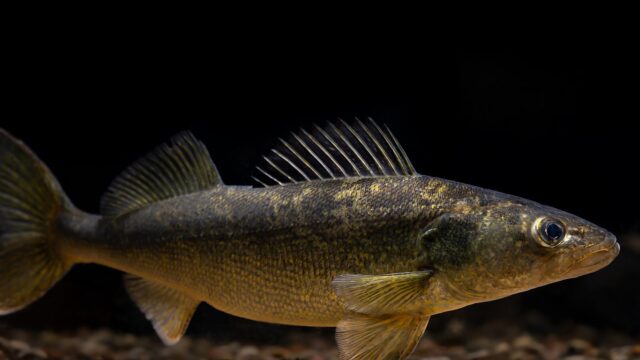
| Walleye | Points, rock and gravel humps, drop-offs | Jigging spoon or minnow on a tip-up |
| Northern pike | Weed edges and shallow bays | Larger minnow on a tip-up |
Seasons, limits, minnow rules and the number of lines you may use through the ice vary by state and sometimes by lake. Check your state wildlife agency’s current regulations before you go.
How to find fish
Fish under the ice relate to the same features they use in open water: weed edges, drop-offs, points, humps and the transitions from hard to soft bottom.
- Study a lake map at home and pick two or three spots: a weed edge, a drop-off and a deeper flat.
- Drill several holes at different depths along that feature, not just one.
- Fish each hole for a short time. If nothing shows up or bites within a reasonable time, move to the next hole.
- Follow the crowd carefully. A cluster of anglers often marks a good spot, but give people space and don’t drill right next to their holes.
Jigging basics
Most ice fishing is vertical: you drop a small lure straight down and make it move in place.
- Lower the jig to the bottom, then reel up a few inches.
- Jiggle the rod tip gently for a few seconds, then hold it still. Many bites come during the pause.
- Watch the rod tip or a spring bobber for small taps, a slight lift or the line going slack.
- Set the hook with a short, firm lift of the rod. Light line and small hooks do not need a big sweep.
- If fish are suspended, work the jig at their level instead of on the bottom.
Winter bites are often light. Small baits, slow movements and long pauses usually beat aggressive jigging, especially for panfish.
Staying warm and safe
- Layer up: a moisture-wicking base layer, an insulating middle layer and a windproof, waterproof shell. Avoid cotton next to your skin.
- Keep your feet and hands dry. Insulated waterproof boots, spare gloves and hand warmers make a big difference.
- Block the wind. Sit with your back to it, or use a portable shelter.
- Be careful with heat. Never run a fuel-burning heater in a closed shelter without ventilation and a carbon monoxide detector.
- Handle fish quickly. If you release fish, keep them out of the frigid air as briefly as possible.
Bottom line
Wait for confirmed safe ice, bring a license, a hole-maker, a short rod with light line, small jigs and bait, ice picks and warm layers, and start with panfish on weed edges and drop-offs. Drill several holes, fish them quickly and keep moving until you find fish.
FAQ
What is the best first fish for ice fishing?
Bluegill and yellow perch are good first targets. They are common in many northern lakes, school up in winter and bite small jigs tipped with live bait.
Do I need a fish finder to ice fish?
No. It helps you see depth, fish and your jig, but you can start without one by drilling several holes along known structure and moving until you get bites.
Do I need a license to ice fish?
Yes, in most cases the same fishing license covers ice fishing. Some states offer free fishing days or exemptions for kids, so check your state agency’s rules.
How thick does ice have to be for ice fishing?
The Minnesota DNR recommends at least 4 inches of new, clear ice for a person on foot and twice that for white ice. Check thickness yourself as you go, because no ice is ever 100% safe.