How to Tie a Palomar Knot: Step by Step, Why It Holds and When to Use Something Else
Double the line, pass it through the eye, tie an overhand knot, slip the loop over the hook and pull tight. Here's how to do it right every time.
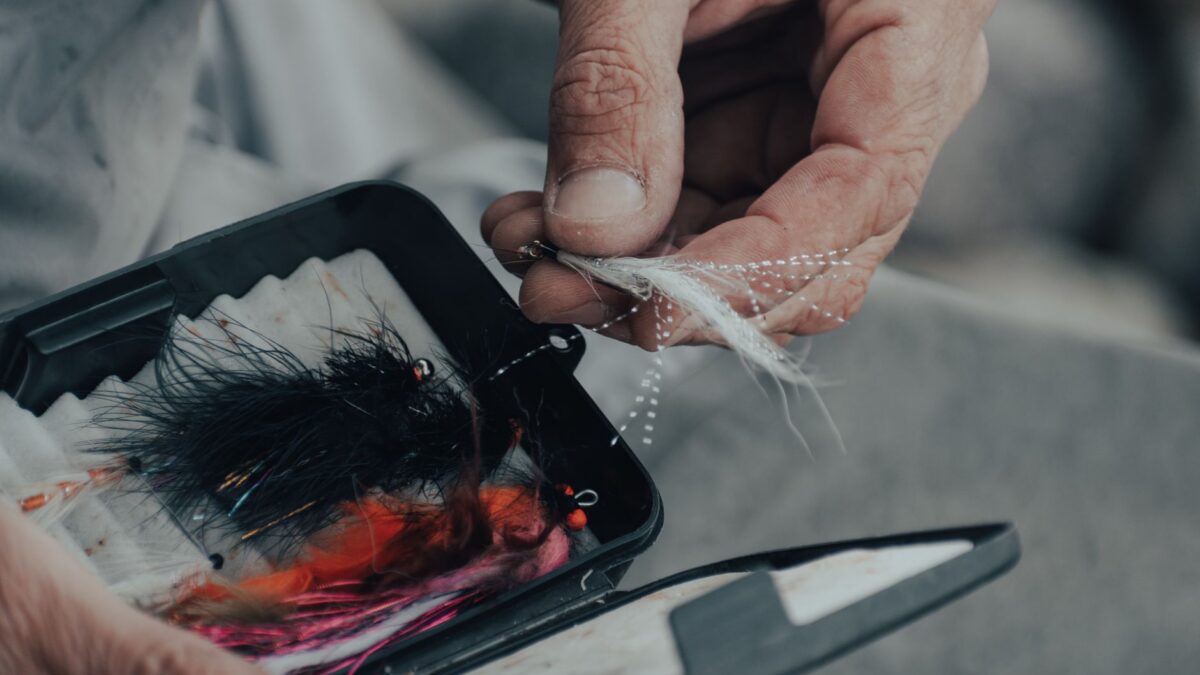
To tie a Palomar knot, double about 6 inches of line, push the loop through the hook eye, tie a loose overhand knot with the doubled line, pass the hook through the loop, then wet the knot and pull both strands until it seats against the eye. Trim the tag and you’re done. It’s one of the strongest and easiest terminal knots, and it works with braid, monofilament and fluorocarbon.
What you need
- The hook, swivel or lure you want to tie on
- About 12 inches of line to work with (the doubled section uses it up quickly)
- Clippers or scissors for braid
- A little water or saliva to lubricate the knot
How to tie a Palomar knot, step by step
- Double the line. Fold about 6 inches of line back on itself to make a loop, and push the loop through the hook eye. With a small eye, it’s easier to push the tag through, then push it back through in the other direction to form the loop.
- Tie an overhand knot. Holding the hook between thumb and finger, tie a simple overhand knot with the doubled line. Leave it loose, and leave the hook hanging below the knot inside the loop.
- Pass the hook through the loop. Take the end of the loop and pull it completely over the hook, lure or swivel.
- Wet and tighten. Moisten the knot, then pull the main line and the tag end at the same time. Guide the loop so it slides up above the eye and the knot seats neatly without twisting.
- Trim. Cut the tag end, leaving a short stub of about an eighth of an inch.
Take a moment to test it with a firm pull. If the wraps look crossed or the loop bunched on one side, cut it off and tie it again; the Palomar is quick enough that a retie costs only seconds.
Why the Palomar knot is so strong
The Palomar’s strength comes from its simple shape. The line goes through the hook eye twice, so two strands share the load where the knot bears against the metal. The overhand knot then locks those strands with few sharp bends, and sharp bends and pinch points are where knots usually fail. That’s also why it grips well in braid: the doubled line has more surface to hold onto, so it is much less likely to slip than knots built on a few turns of single line.
Published knot strength figures vary widely with line brand, diameter and how the knot was tied, so treat any single percentage with caution. What’s consistent is that the Palomar is easy to tie the same way every time, and consistency is what makes a knot dependable on the water.
The Palomar for a drop shot rig
The Palomar is also the standard knot for a drop shot rig, where the hook sits on the line above the weight. The trick is to leave a long tag end and make the hook stand out with its point up:
- Tie a normal Palomar, but leave a tag of roughly 12 to 24 inches below the hook (this becomes your drop shot leader).
- Before trimming anything, turn the hook so its point faces up.
- Pass the long tag end back through the hook eye from the point side (top of the eye). This pulls the hook out at a right angle to the line.
- Attach the drop shot weight to the end of the tag at the distance you want below the hook.
Common mistakes and how to fix them
| Problem | Likely cause | Fix |
|---|---|---|
| Knot breaks on a hard hookset | Tightened dry, or line damaged | Wet the knot; cut back past nicked line and retie |
| Twisted or crossed strands | The two lines crossed when passing through the eye | Keep the doubled line flat and parallel; retie |
| Loop won’t fit over the lure | Loop too short | Double more line, about 6 to 8 inches for bigger baits |
| Knot slips in braid | Not fully seated | Pull both strands evenly and firmly until the knot is snug |
| Doubled line won’t fit through the eye | Heavy line and a small hook eye | Use a uni knot instead |
When another knot is better
The Palomar isn’t the right answer for every job. Consider switching when:
- You’re tying on big hard baits. Passing a crankbait or jerkbait with two or three treble hooks through the loop is fiddly and can tangle. A uni or improved clinch is quicker.
- The line is thick for the hook eye. Heavy fluorocarbon doubled through a small eye may not fit or may seat poorly. Use a uni.
- You want the lure to swing freely. Some anglers use a non-slip loop knot on jerkbaits, topwaters and swimbaits so the lure moves more naturally.
- You’re joining two lines. The Palomar is a terminal knot. To add a leader to braid, use a double uni or FG knot instead.
- You’re short on line. Because it uses a doubled section, the Palomar eats more line than single-strand knots, which matters with an expensive or nearly used-up leader.
For a full rundown of when to use each knot with mono, fluorocarbon and braid, see our guide to the essential fishing knots, and for line choice itself, braid vs fluorocarbon vs monofilament.
Practice tips
- Practice at home with a large hook (point covered with a piece of cork or eraser) and the line you use most.
- Learn to tie it with the lure hanging, the way you’ll do it in a boat or on the bank.
- In cold weather or low light, a larger loop is easier to handle.
- Always handle the hook by its bend, and keep the point away from your fingers while you pull the knot tight.
Bottom line
The Palomar knot is simple, strong and dependable with every common line type, which makes it the best first knot for most anglers. Tie it with a loop long enough to clear the lure, wet it, seat it evenly and test it. Reach for a uni knot instead when the line is too thick for the eye or a big multi-hook lure makes the loop awkward, and use a double uni or FG when joining lines.
FAQ
Is the Palomar knot good for fluorocarbon?
Yes. It works well in fluorocarbon as long as you wet it and tighten it slowly, since fluorocarbon is stiff and can weaken from friction heat when cinched dry.
Can you tie a Palomar knot with braid?
Yes, and it’s one of the best choices for braid because the doubled line grips well and resists slipping. Trim the tag cleanly with scissors or braid-rated clippers.
How much line do I need to tie a Palomar knot?
Double about 6 inches for hooks and small lures, and a bit more for larger baits, so the loop can pass over the whole lure.
Palomar or improved clinch: which should I use?
Both are good with mono and fluorocarbon. The Palomar is the better pick for braid and for drop shotting, while the improved clinch is handy for lures with multiple treble hooks.