The Essential Fishing Knots: Palomar, Improved Clinch, Uni, Double Uni and FG
You don't need a book of knots. Five reliable ones handle tying on hooks and lures, joining braid to a leader and spooling a reel.
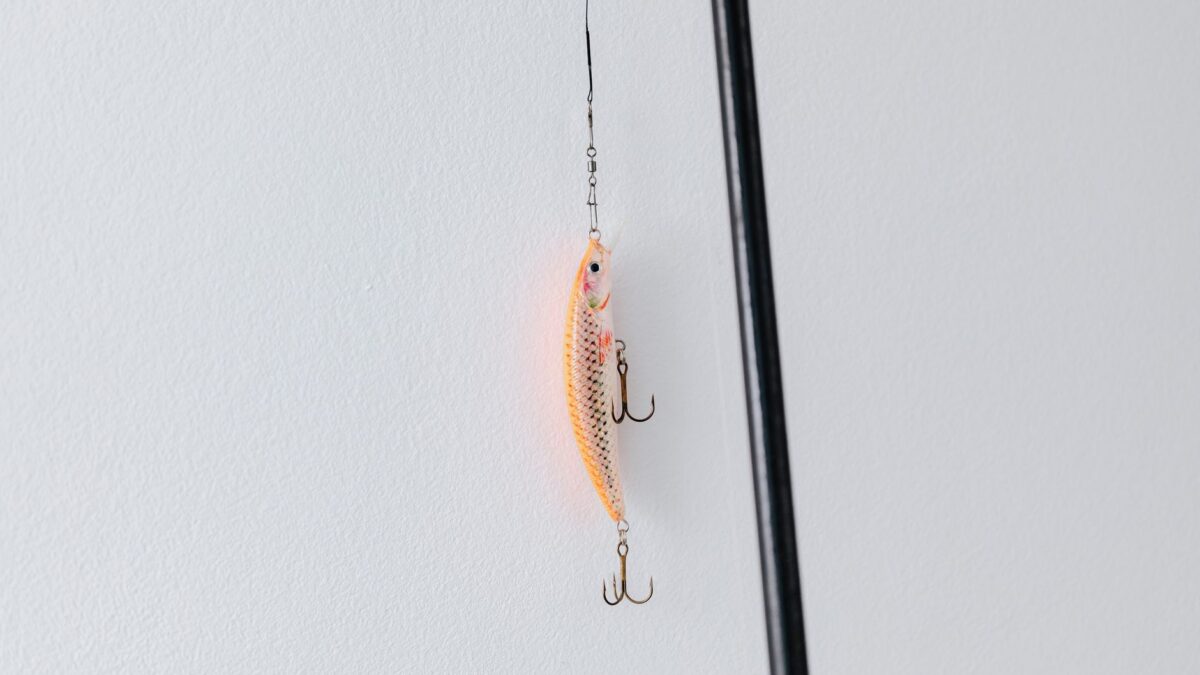
You only need a handful of knots for freshwater fishing. Use the Palomar or uni knot to tie hooks and lures to any line, including braid; the improved clinch is a fine choice for monofilament and fluorocarbon; the double uni joins two lines; and the FG knot makes the slimmest braid-to-leader connection. Whatever you tie, wet it, tighten it slowly and test it.
Which knot for which job
| Knot | Main job | Best with | Difficulty |
|---|---|---|---|
| Palomar | Line to hook, swivel or lure | Braid, mono, fluorocarbon | Easy |
| Improved clinch | Line to hook or lure | Mono and fluorocarbon (light to medium) | Easy |
| Uni knot | Line to hook, line to reel spool, loops | All lines | Easy |
| Double uni | Joining two lines (braid to leader, mono to mono) | All lines, including different diameters | Easy to moderate |
| FG knot | Braid to fluorocarbon or mono leader | Braid main line | Moderate to hard |
Line type matters because each material behaves differently in a knot. Braid is slick and thin, so knots that rely on friction need more wraps. Fluorocarbon is stiff and can be damaged by heat from friction when it cinches dry. Monofilament is the most forgiving. For the trade-offs between materials, see braid vs fluorocarbon vs monofilament.
The Palomar knot
The Palomar is the knot many anglers learn first and keep using. Because the line passes through the hook eye twice, it’s widely regarded as one of the strongest and most reliable terminal knots, and it holds well even in braid. The catch: you have to pass the hook or lure through the loop, which gets awkward with big crankbaits carrying two or three treble hooks. It’s also the standard knot for a drop shot rig. Our step-by-step Palomar knot guide covers tying it and its variations.
The improved clinch knot
The improved clinch is quick and works well with monofilament and fluorocarbon in light to medium weights. It’s a poor choice for braid, which tends to slip, and in heavy line it gets hard to snug down cleanly.
- Pass about 6 inches of line through the hook eye.
- Wrap the tag end around the main line 5 to 7 times (use fewer wraps in heavier line).
- Bring the tag end back and pass it through the small loop just above the eye.
- Then pass it through the big loop you just created; this is the “improved” step.
- Wet the knot, pull the main line and tag slowly until the coils snug tight against the eye.
- Trim the tag, leaving a short stub.
The uni knot
If you learn only one knot besides the Palomar, make it the uni. It ties hooks and lures to any line, works as an arbor knot to attach line to a reel spool, and forms the basis of the double uni.
- Pass the line through the hook eye and double it back alongside the main line, leaving a long tag.
- Bring the tag back toward the eye to form a loop lying over both strands.
- Wrap the tag around both strands, through the loop, 5 to 7 times. Use a few more wraps in braid.
- Wet the knot and pull the tag end to tighten the wraps into a neat barrel.
- Pull the main line to slide the knot down to the eye, then trim the tag.
To use it on a reel, tie the uni around the spool arbor, pull it tight and trim. Braid can spin on a bare spool, so many anglers start with a short layer of mono backing or a strip of tape under the braid; our guide on how to spool a reel explains both methods.
The double uni knot
The double uni joins two lines, including lines of different materials and diameters. It’s the simplest reliable way to add a fluorocarbon or mono leader to braid.
- Overlap the two line ends by about 8 to 10 inches, pointing in opposite directions.
- With the first tag, tie a uni knot around the other line, and snug it but don’t fully tighten.
- Repeat with the second tag around the first line.
- Use more wraps on the braid side than on the leader side, because braid is slicker.
- Wet both knots, tighten each one, then pull the main lines in opposite directions so the knots slide together.
- Trim both tags closely.
The FG knot
The FG knot weaves braid around the leader instead of tying the two lines around each other. The result is a long, slim connection that passes through rod guides smoothly, which matters when the knot sits inside the guides during a cast. It takes practice, and tension on the braid is the key.
- Hold the braid under tension (clamp it between your teeth, around a reel, or to a fixed point).
- Lay the leader across the braid and weave the braid around it in alternating wraps, over then under, typically about 15 to 20 wraps total.
- Pinch the wraps and lock them with a couple of half hitches around both lines.
- Wet and tighten firmly; the wraps should grip the leader so it won’t slide.
- Trim the leader tag, finish with several half hitches around the braid alone, and trim the braid tag.
If the FG keeps failing, the double uni is a perfectly good fallback for most bass and walleye fishing.
Tips that matter more than the knot
- Wet every knot before tightening. Saliva or water reduces friction heat, especially in fluorocarbon.
- Tighten slowly and fully. A half-seated knot is the most common failure.
- Test it. Give every new knot a firm pull before you cast.
- Retie often. Retie after a big fish, after snags, and whenever the last few feet of line feel rough.
- Trim neatly. Leave a small tag rather than cutting flush against the knot.
- Handle hooks carefully while tying; hold the hook by the bend, not near the point.
Bottom line
Learn the Palomar and the uni first, and you can tie on almost anything with any line. Add the improved clinch for quick mono and fluorocarbon ties, the double uni for joining lines, and the FG when you want the slimmest braid-to-leader connection. Practice at home with the line you actually fish, and always wet, seat and test the knot before you cast.
FAQ
What is the strongest fishing knot?
No single knot wins in every line and situation, and test results vary with how well it’s tied. The Palomar is widely considered one of the strongest and most consistent terminal knots, especially in braid.
What knot should I use with braided line?
For tying braid directly to a hook or lure, use a Palomar or a uni knot with a few extra wraps. To add a leader, use a double uni or an FG knot.
Why does my knot keep breaking?
Usually it’s friction heat from tightening dry, a knot that wasn’t fully seated, or damaged line near the hook. Wet the knot, tighten it slowly, and cut back past any nicked or rough line.
Do I need a leader?
Not always. A leader helps when you fish braid in clear water, need abrasion resistance around rocks and wood, or want a shock-absorbing section. With straight mono or fluorocarbon, many anglers tie directly to the lure.