How to Stop Baitcaster Backlash: Spool Tension, Brakes, Thumbing and Fixing a Bird’s Nest
Backlash happens when the spool turns faster than line leaves it. Set the reel up correctly, learn light thumb control, and most bird's nests disappear.
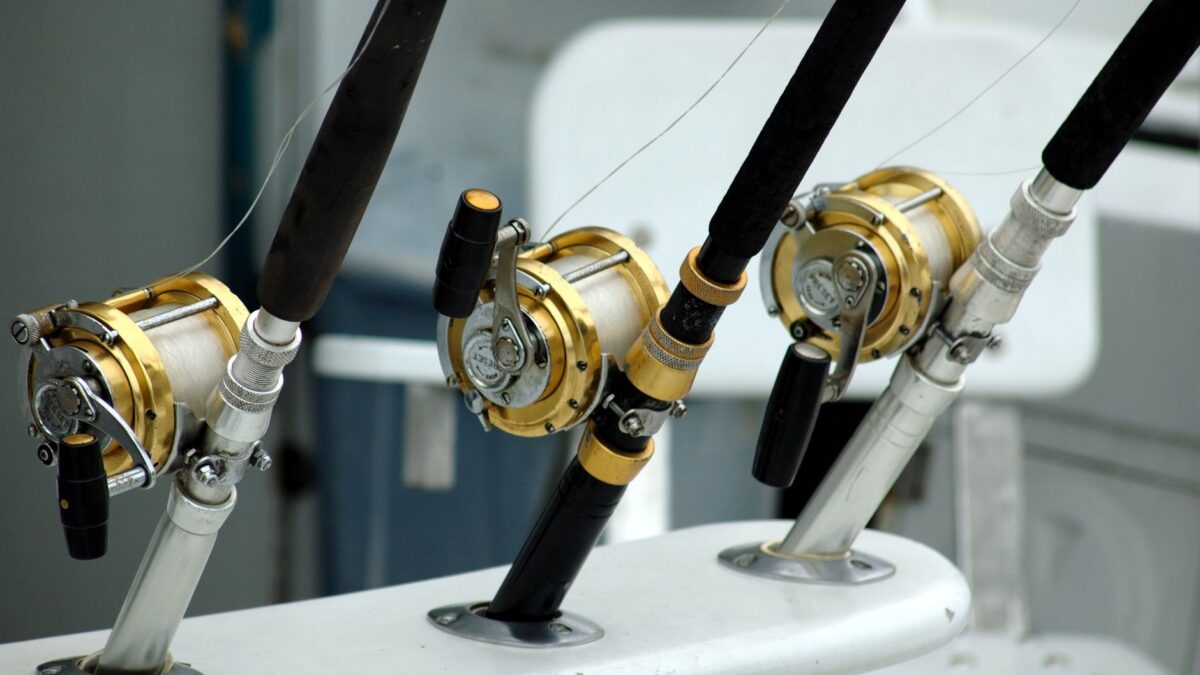
A backlash happens when the baitcaster’s spool spins faster than the line can leave it, so loose line piles up into a bird’s nest. Stop it by setting the spool tension knob so your lure falls slowly when you release the spool, starting with the brakes at a medium-to-high setting, casting smoothly rather than hard, and keeping your thumb lightly on the spool to slow it as the lure slows and to stop it the moment the lure lands. Loosen the settings gradually as your thumb control improves.
Why backlashes happen
On a baitcaster, the spool turns as the lure pulls line out. At the start of a cast the spool accelerates quickly; later, the lure slows down from air resistance, and when it hits the water it stops suddenly. If the spool keeps spinning at those moments, extra line has nowhere to go and loops back over itself. The most common triggers are:
- Spool tension and brakes set too loose for the lure
- Jerky or overpowered casts
- Casting into the wind, which slows the lure
- Light or wind-resistant lures, such as small topwaters and flat-sided baits
- A spool that’s overfilled or wound with loose line
- No thumb on the spool at the end of the cast
Step 1: Set the spool tension
The spool tension knob is usually the small cap on the handle side of the reel. It adds friction to the spool shaft and should be set for each lure weight.
- Tie on the lure you’ll fish and reel it up to a few inches below the rod tip.
- Hold the rod out roughly level, press the thumb bar to free the spool, and watch the lure.
- If the lure doesn’t move, loosen the knob a little at a time until it falls slowly and steadily.
- When the lure reaches the ground or water, the spool should stop with little or no overrun. If loose line keeps coming off, tighten slightly.
- For your first casts, tighten an extra quarter turn or so. Loosen as you gain control.
Change lures, check the setting again. A 3/8 oz spinnerbait and a 1 oz jig need different tension.
Step 2: Set the brakes
Brakes control spool speed mainly during the fast early part of the cast. The main types:
| Brake type | How it works | How you adjust it |
|---|---|---|
| Centrifugal | Small brake blocks or pins press outward against a ring as the spool spins fast | Switch blocks on or off, or turn a dial, often under a side plate |
| Magnetic | Magnets near the spool create resistance that grows with spool speed | External numbered dial |
| Combination | Both systems together | Both adjustments |
| Digital / electronic | A microcomputer reads spool speed during the cast and adjusts braking automatically (for example, Shimano’s DC system) | Mode dial for line type and conditions |
Start with brakes around the middle to upper part of the range. Once casts are clean, reduce braking one step at a time for more distance. No brake system prevents every backlash; it reduces how much thumb control you need.
Step 3: Learn to thumb the spool
Your thumb is the real brake. Rest it lightly on the line on the spool throughout the cast:
- Press the thumb bar and hold the spool with your thumb.
- Make a smooth cast and lift your thumb pressure slightly as the rod loads and unloads.
- Keep the thumb hovering or lightly touching as the lure flies; you’ll feel the spool spin.
- As the lure slows near the end of its flight, add light pressure.
- Stop the spool completely the instant the lure hits the water.
Practice in a yard or open field with a 1/2 oz casting plug or weight. Short, smooth casts first; distance comes later. Overpowering the cast is one of the biggest causes of nests.
Casting into the wind
- Increase the brake a step or two and tighten spool tension slightly.
- Throw heavier, compact lures, such as jigs, lipless crankbaits and Texas rigs, rather than light, bulky baits.
- Cast lower, with a sidearm motion, so the lure spends less time in the air.
- Cast with the wind or across it when you can.
- Thumb harder at the end, since the wind slows the lure sooner.
Our guide to fishing in the wind explains why windy banks are often worth the effort.
Line and spool setup
- Fill to about 1/8 inch below the spool edge and spool under firm tension. Our reel spooling guide shows the steps.
- Learn on mono. 12–15 lb mono is more forgiving than stiff fluorocarbon. Braid casts well but can dig into the spool if wound loosely.
- Use the right lure weight. Very light lures are harder on standard baitcasters; 3/8 to 3/4 oz is easiest.
How to pick out a backlash
- Stop immediately. Don’t keep reeling or pulling hard on the line; that tightens the nest.
- Pull out the loose line gently from the spool until you reach a loop that won’t come out.
- Use the thumb trick: press your thumb firmly on the spool, turn the handle a few times (three to five turns), then release the spool and pull line out again. This often frees a buried loop.
- Repeat until the line pulls freely.
- Work stubborn loops with your fingertip or a small, blunt tool. Lift loops up and out instead of pulling the main line.
- Inspect the line. If you see kinks or flattened spots, especially in fluorocarbon, cut that section off and retie. Damaged line breaks on hooksets.
- Last resort: cut through the nest and re-spool or tie the line back together if it’s a short section.
Bottom line
Set spool tension so the lure falls slowly and the spool stops when it lands, start with brakes on the higher side, cast smoothly, and keep your thumb on the spool. Add brake and use heavier lures in the wind. Backlashes become rare once your thumb does the work. Take Me Fishing’s baitcaster casting guide is a good companion for practicing the cast.
FAQ
Why do I keep getting backlash on my baitcaster?
Usually the spool tension or brakes are set too loose, the cast is too hard, or you aren’t thumbing the spool when the lure lands. Wind and light lures make it worse.
Should the spool tension knob be tight or loose?
Set it so the lure falls slowly when you free the spool. Tighter is safer while learning; loosen gradually for more distance.
Do digital brake reels eliminate backlash?
They reduce it by adjusting braking automatically, but you can still backlash one. Thumb control still matters.
What lure weight is easiest to learn with?
Compact lures of about 3/8 to 3/4 oz, such as a casting plug, jig or Texas rig, are easiest. Very light and wind-resistant lures are harder.