How to Get a Fishing License: Who Needs One, Where to Buy It and Which Stamps You Need
Every state sells its own fishing license, usually online in a few minutes. Here's how age, residency, stamps and free fishing days work before you buy.
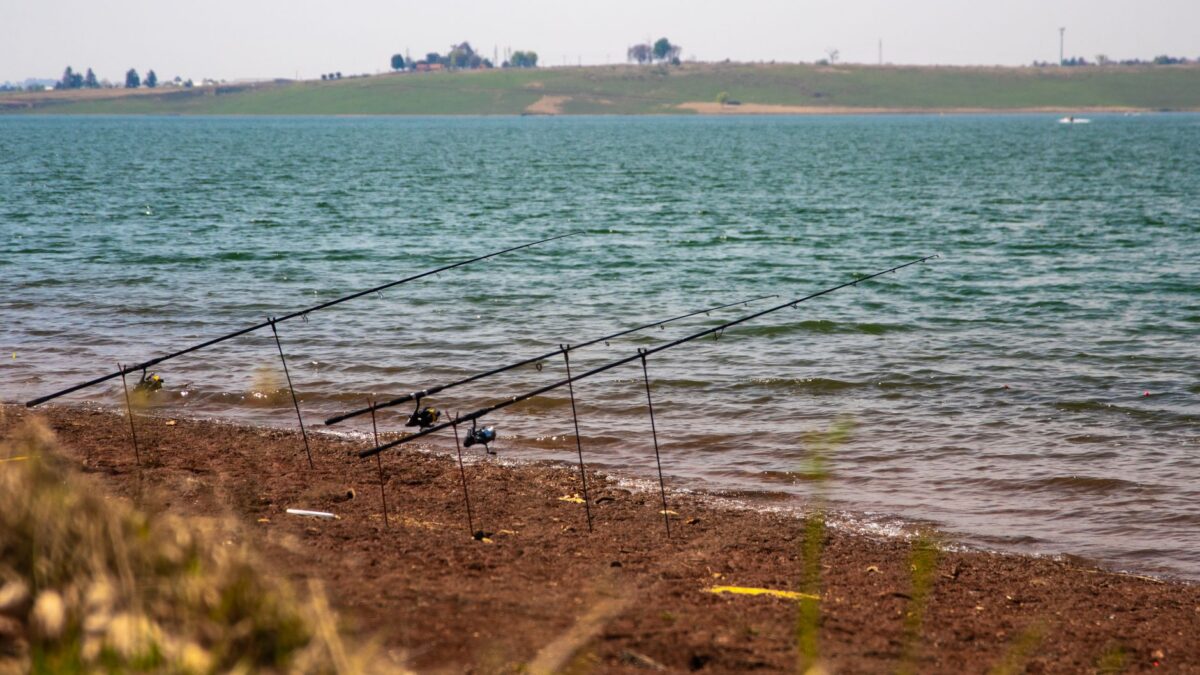
In the US, fishing licenses are sold by each state, not the federal government. To get one, go to your state fish and wildlife agency’s official website or app (or a licensed retailer such as a bait or sporting goods shop), choose a resident or nonresident license, add any stamps you need, pay and save the license on your phone or print it. In most states, kids under about 16 don’t need one, but the exact age, prices and rules vary by state.
Who needs a fishing license?
As a general rule, anyone above the state’s age cutoff who is trying to catch fish in public waters needs a license. That includes bank fishing, ice fishing and catch-and-release. A few points trip people up:
- Age. Many states start requiring a license at 16, but not all. Some set the cutoff lower or higher, and some treat residents and nonresidents differently. Minnesota, for example, requires residents from 16 through 89 to be licensed.
- Helping a child counts as fishing. If you’re casting, baiting hooks and reeling for a youngster, plan on needing your own license.
- Seniors, veterans and anglers with disabilities often get free or discounted licenses, but the qualifying rules differ from state to state.
- Private ponds and your own land. Some states exempt landowners or certain private waters; many do not. Don’t assume.
- Tribal lands and some federal areas can have their own permit requirements on top of, or instead of, the state license.
How to buy a fishing license online
- Find your state agency. Search for your state’s department of fish and wildlife, natural resources, or game and fish, and make sure you’re on the official government site. Some third-party websites look official and add extra fees.
- Create or look up your customer record. Expect to enter your name, date of birth, address and, in some states, an ID number used to confirm residency.
- Choose resident or nonresident. Residency usually means the state is your primary home for a set period; you may need a state driver’s license or ID to prove it.
- Pick the license length. Most states sell annual licenses, and many offer short-term options for visitors, such as one-day, multi-day or weekly licenses. Some also sell multi-year or lifetime licenses.
- Add stamps or endorsements for the species or waters you plan to fish (see below).
- Pay and save it. Download the license to your phone, save a screenshot, or print it. Many states accept a digital license, but check whether yours requires a printed or physical copy and keep it with you while fishing.
If you’d rather buy in person, most states have a network of license agents such as tackle shops, big-box stores and some bait shops, and a few sell licenses by phone.
Stamps, endorsements and add-ons
A basic license doesn’t always cover everything. States use stamps, permits or endorsements to fund specific programs, and you need them only if you fish for those species or waters. Names and requirements vary, but common examples look like this:
| Add-on | Usually needed for | What to check |
|---|---|---|
| Trout stamp or permit | Fishing for or keeping trout, often in designated trout waters | Whether it applies to all trout fishing or only certain waters |
| Saltwater license or endorsement | Fishing in coastal and tidal waters | Where the freshwater/saltwater line is in your state |
| Second-rod or extra-line permit | Using more than the standard number of lines | The default line limit, which differs by state and water |
| Species or area permits | Some salmon, steelhead, sturgeon or special-regulation waters | Harvest tags or catch cards you must fill out |
| Combination licenses | Anglers who also hunt | Whether a combo is cheaper than buying separately |
Minnesota’s trout stamp is a typical example: it’s an add-on to the angling license for anglers who fish designated trout waters or keep trout. If trout are on your list, our guide to trout fishing for beginners covers stocked lakes, streams and stocking schedules.
Saltwater and the federal registry
Coastal states run their own saltwater licenses or registries. NOAA also operates the National Saltwater Angler Registry, but NOAA says most anglers do not need to register with it. A valid saltwater license from most states and territories makes you exempt; registration mainly comes into play in a few specific situations, such as fishing federal waters without a qualifying state license.
Free fishing days
Every state sets aside at least one free fishing day a year, when residents and visitors can fish without a license. Many states schedule theirs in early to mid-June, but some add days in other seasons. Size limits, bag limits, seasons and other rules still apply. Takemefishing.org keeps a list of free fishing days, and your state agency announces the official dates. They’re an easy way to try fishing or bring a friend; see our tips on fishing with kids.
Fishing across state lines
Your license is valid only in the state that issued it. On rivers and lakes that form a state border, some neighboring states have agreements that let either state’s license holders fish shared waters, but the details (where you can fish from, which tributaries are included) are specific. If you’re traveling, buy a short-term nonresident license and read that state’s rules before you wet a line.
Common mistakes to avoid
- Buying from a lookalike site instead of the official state agency.
- Letting an annual license lapse. Some run by calendar year, others for 12 months from purchase, and others on a license year that starts in spring.
- Skipping a required stamp because “I’m just catching and releasing.”
- Assuming last year’s limits still apply. Regulations change, so read the current fishing regulations booklet or app for your state and water.
Bottom line
Getting a fishing license usually takes a few minutes on your state agency’s official website. Check the age rules, choose resident or nonresident, add any stamps for trout, saltwater or special waters, and keep the license with you. Because ages, prices, stamps and limits vary by state and even by water, always confirm the current rules with your state wildlife agency. Then you’re ready for a first trip, and our beginner’s guide to lake fishing can help with the rest.
FAQ
How much does a fishing license cost?
It depends on the state, your residency and the license length. Resident annual licenses are generally much cheaper than nonresident ones, and short-term licenses cost less up front. Check your state agency’s current fee list.
Do I need a license for catch-and-release fishing?
Yes, in general. The license covers the act of fishing, not just keeping fish, so releasing everything doesn’t exempt you.
Can I show my fishing license on my phone?
Many states accept digital licenses through an app, a PDF or a screenshot. A few have exceptions, for example for certain tags or permits, so read your state’s rules and keep a backup.
Do kids need a fishing license?
In most states, children under about 16 can fish without one, but the age varies and some states require a free youth license or registration. Check your state’s rules before the trip.