Smallmouth Bass Fishing Tips: Lakes vs Rivers, Depth by Season and the Best Lures
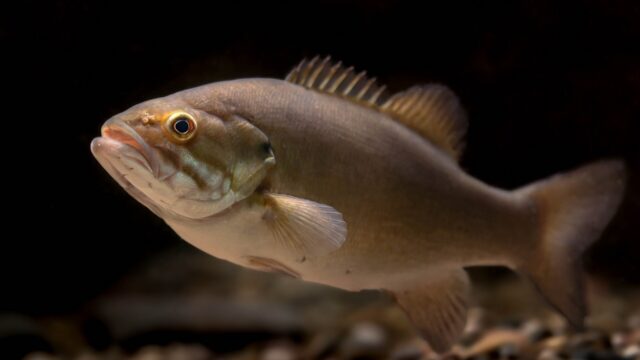
Smallmouth roam more than largemouth and live in clearer water. Fish rock, wind and current with a few finesse baits and a jerkbait, and adjust depth with the season.
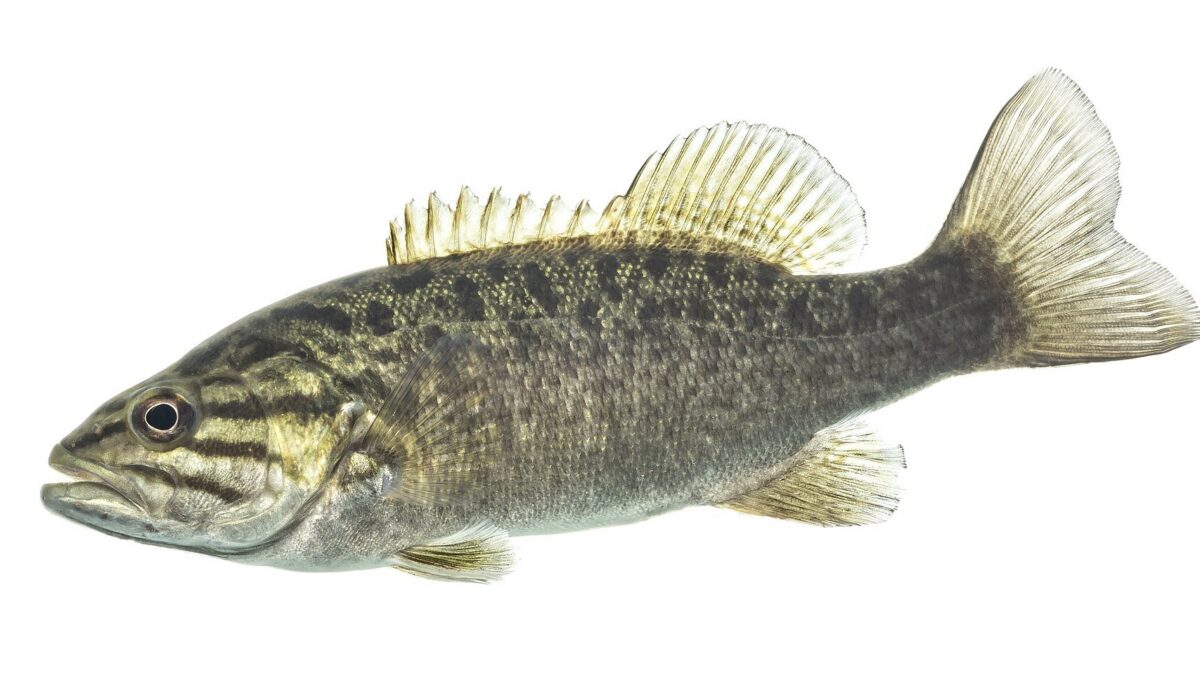
The best smallmouth tips come down to three things: fish rock and hard bottom, use wind and current to find active fish, and change depth with the season, shallow in spring and fall, deeper on structure in summer and winter. A tube, a Ned rig, a drop shot and a suspending jerkbait will catch smallmouth almost anywhere they live. In rivers, cast to current seams, eddies and the slack water behind rocks.
Lakes vs rivers: two different games
Smallmouth in lakes
In natural lakes, the Great Lakes and clear reservoirs, smallmouth relate to rock, gravel and the edges between hard and soft bottom. They often roam in loose groups and follow baitfish, so the fish that were on a point in the morning may be on a nearby hump by afternoon.
- Look for: rocky points, reefs and shoals, boulder fields, gravel bars, sand-to-rock transitions, bluff walls and rocky humps near deep water.
- Use electronics: in clear lakes, smallmouth can sit 15 to 30 feet deep or more in summer and winter. Scanning for fish and bait before you fish saves time.
- Clear water means stealth: long casts, natural colors and lighter fluorocarbon line.
Smallmouth in rivers
River smallmouth live where current brings food to them without making them fight the flow all day. They tend to stay in a few neighboring pools for long periods, and they’re often shallower than lake fish because rivers usually aren’t very deep.
- Current seams: the line where fast water meets slower water. Bass sit on the slow side and dart out for food.
- Eddies: the slack or reverse-flow water behind points, boulders and bridge pilings.
- Riffle tails and pool heads: where shallow fast water drops into a deeper pool.
- Wood and undercut banks: especially on outside bends where the river runs deeper.
Cast upstream or across and let the bait drift naturally with the current, keeping in touch with it as it tumbles. Our guide to bass fishing in rivers covers reading water and wading safety in more detail.
Depth by season
These are typical ranges; clear lakes run deeper, and stained water and small rivers run shallower.
| Season | Typical water temp | Lakes | Rivers | Top baits |
|---|---|---|---|---|
| Winter | Below about 45°F | Deep (often 20–40+ ft) near steep breaks and basins | Deep, slow wintering holes | Jerkbait, blade bait, hair jig, drop shot, tube |
| Pre-spawn | About 45–58°F | Moving shallower; first break off spawning flats (8–20 ft) | Moving out of wintering holes toward gravel pools | Jerkbait, tube, Ned rig |
| Spawn | About 58–65°F | Gravel and rock flats, sometimes several feet deep in clear water | Protected gravel near slower water | Tube, Ned rig, light-weight soft plastics |
| Summer | About 65–80°F | Points, reefs and humps (10–30 ft); shallow at low light | Riffles, seams, shaded pools | Drop shot, tube, topwater, crankbait |
| Fall | Cooling into the 50s°F | Points and flats with baitfish, then deeper as it cools | Moving toward deeper pools | Crankbait, swimbait, jerkbait, topwater early |
Bedding fish are vulnerable. Some states close bass harvest or require immediate release in spring; check your state agency’s rules and release nesting fish right where you caught them.
The best smallmouth lures
Tube
A 3- to 4-inch hollow tube on an internal tube jighead imitates a crayfish or goby. Drag it slowly or hop it on rock. Green pumpkin, brown and goby-style colors are reliable. Use the lightest head that keeps bottom contact: often 1/8 to 1/4 ounce in shallow water and 3/8 ounce or more in deeper water or wind.
Ned rig
A short, buoyant soft plastic on a light mushroom-shaped jighead (about 1/16 to 1/5 ounce). Cast, let it settle, then crawl it with slow drags and gentle shakes. It’s one of the best baits for tough conditions, cold fronts and pressured water. See our Ned rig guide.
Drop shot
A small plastic on a hook tied 8 to 18 inches above a sinker keeps the bait just off the bottom. It’s ideal for fish you see on sonar, deep summer and winter fish and clear water. Our drop shot guide covers the knot and leader length.
Jerkbait
A suspending minnow bait is a top cold-water lure for smallmouth from late fall through early spring. Jerk it two or three times, then pause; in cold water, pauses of several seconds or longer often draw the strike. Details are in our jerkbait guide.
Also worth carrying
- Crankbaits in crawfish colors for rocky banks and points.
- Topwater walking baits and poppers for calm summer mornings.
- Paddle-tail swimbaits on light jigheads for fish chasing baitfish.
- Blade baits and hair jigs for very cold water.
Use wind and current
Wind is a smallmouth angler’s friend. It pushes plankton and baitfish onto windblown points and shorelines, breaks up the surface so fish are less wary, and often turns on a better bite. Start on the windy side of points and reefs, use a slightly heavier jighead to keep contact, and position the boat so you can cast with or across the wind. Stay off big water when the wind and waves exceed what your boat can safely handle, and always wear a life jacket.
Current matters in rivers and also in lakes, where wind-driven current and flowing water near dams can position fish. Bass face into the current and wait for food, so present baits moving naturally downstream toward them.
Line and rod setup
- Rod: 6’10” to 7’2″ medium-light or medium spinning rod with a fast action.
- Line: 6- to 10-pound fluorocarbon, or 8- to 15-pound braid with a 6- to 10-pound fluorocarbon leader for better casting distance and feel.
- Drag: set it light enough that a hard run takes line; smallmouth often jump and shake near the boat.
River levels and safety
River smallmouth fishing changes quickly with water levels. Stable or slowly falling, clearing water is often good; a sudden rise with muddy water is usually tougher and can be dangerous for wading. Check current flows on USGS Water Data before you go, wear a life jacket in boats and kayaks, and don’t wade water that’s fast or deep enough to knock you off your feet.
Bottom line
Smallmouth live on rock and move with the seasons: shallow gravel in spring, deeper structure in summer, baitfish in fall and deep holes in winter. Carry a tube, a Ned rig, a drop shot and a jerkbait, fish the windy side in lakes and the current seams in rivers, and use light fluorocarbon in clear water. Check local regulations, especially spring bass rules, before you keep any fish.
FAQ
What color lures work best for smallmouth?
Natural colors such as green pumpkin, brown, smoke and goby or shad patterns work in clear water. In stained water or low light, chartreuse, black or brighter patterns can help.
Do smallmouth bite in cold water?
Yes. They slow down but keep feeding, which makes jerkbaits, blade baits, hair jigs and drop shots productive in late fall, winter and early spring.
Is a Ned rig or a tube better for smallmouth?
Both imitate crayfish and gobies. A tube is bulkier and works well in wind, current and deeper water; a Ned rig is subtler and often better for pressured fish or tough conditions.
What is the best time of year for smallmouth?
Pre-spawn in spring and early fall are often the most productive, but summer topwater mornings and cold-water jerkbait fishing can also be excellent.