Telescopic Fishing Rods: Pros, Cons and When They Make Sense
A rod that shrinks to fit in a backpack is handy for travel and hiking, but it comes with trade-offs. Here's how telescopic rods work, where they shine and how to pick a good one.
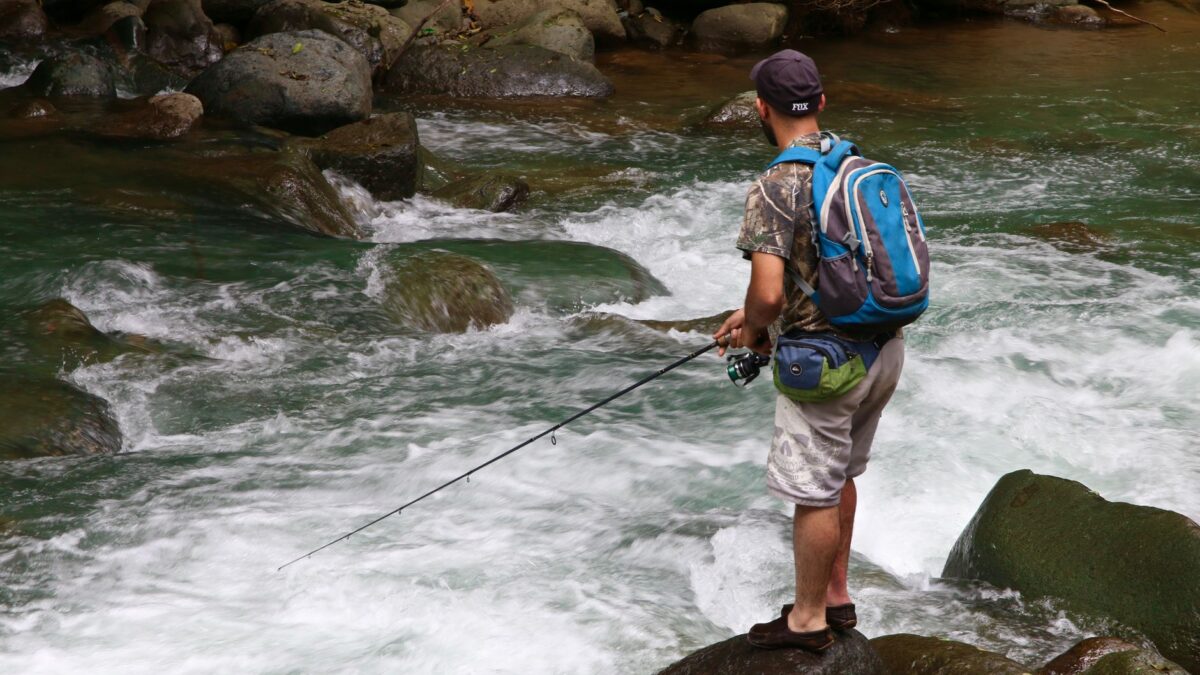
A telescopic fishing rod makes sense when portability matters more than performance: backpacking to remote lakes, traveling, keeping a rod in the car or boat as a backup, or giving kids an easy rod to carry. For your main bass rod, a one-piece or two-piece rod is usually more sensitive, more durable and available in more power and action choices. If you need a packable rod but care about feel, a multi-piece travel rod is the middle ground.
How a telescopic rod differs from a two-piece rod
A telescopic rod is built from several hollow sections that nest inside one another. You pull them out one by one, and each section locks into the next by friction. The guides slide down with the sections when you collapse it, so many models shrink to well under two feet. Some guides quote typical collapsed lengths of around 17 inches or less.
A two-piece rod has two sections joined by one ferrule near the middle. It breaks down to roughly half its length, and the joint is designed to bend as close as possible to a one-piece blank. A multi-piece travel rod uses the same plug-in ferrule idea but with three to five pieces, giving a short travel tube with a more conventional bend.
| Telescopic | Two-piece | Multi-piece travel | |
|---|---|---|---|
| Packed length | Shortest; often under 2 ft | About half the rod length | Short; fits a travel tube |
| Setup time | Seconds | Seconds | A minute or so |
| Sensitivity | Lower; many joints | Good | Good on quality models |
| Durability | More joints to wear and loosen | One joint to check | Several joints; needs care |
| Power and action choices | Limited | Wide | Moderate |
| Guide alignment | Can twist out of line | Set once at assembly | Set once at assembly |
Pros of telescopic rods
- Very compact. Fits in a backpack, suitcase, glove box or under a boat seat.
- Fast to deploy. Some can be stored with the reel attached and the line threaded, ready to fish in seconds.
- Good backup. A spare rod in the car or boat can save a trip after a breakage.
- Easy for kids and casual trips. Small enough for kids to carry and easy to store at a cabin or campsite.
- Usually affordable. Many are budget-friendly, often sold as combos.
Cons of telescopic rods
- Less sensitivity. Each joint dampens vibration, so subtle bites and bottom changes are harder to feel. That matters most with jigs, worms and finesse rigs.
- Uneven bend. The joints can create stiff and soft spots, which affects casting accuracy and fighting fish.
- Guides can twist. Sections can rotate during casting and fighting fish, pulling guides out of line. You may need to realign them during the day.
- Grit and wear. Sand and dirt in the joints wear the sections and can make them stick or slip.
- Fewer options. Finding a specific power, action and length for a bass technique is harder than with standard rods.
- Quality varies widely. Budget models often have basic guides and reel seats. Higher-quality carbon models narrow the gap but rarely match a good standard rod at the same price.
When a telescopic rod makes sense
- Backpacking and hiking to small streams, mountain lakes and ponds, where light lures and small fish are the norm.
- Travel by car, plane or motorcycle when a rod tube is impractical.
- A just-in-case rod stored in a vehicle, cabin or boat.
- Panfish and stocked trout with light line and small baits, where top-end sensitivity matters less.
- Introducing kids to fishing on short, casual outings.
For bass techniques that depend on feel and power, such as jigs, Texas rigs and flipping, a standard rod is the better tool. Our rod buying guide explains which specs to look for.
What to check before you buy
- Collapsed and extended length. Make sure it fits your pack or bag, and that the fishing length suits your water: shorter for brushy streams, longer for casting from shore.
- Power, action and ratings. Look for line and lure ratings printed on the rod, just as with any rod. A light or medium-light rated rod suits most hiking and panfish use.
- Material. Carbon (graphite) models are lighter and more sensitive; fiberglass models are heavier but more forgiving of knocks.
- Joint fit. Extend the rod and check that every section seats firmly with no wobble.
- Guides and alignment. Look for smooth guide inserts and, if possible, a design that helps keep guides aligned.
- End caps and tip protection. A removable butt cap lets you clean and dry the inside; a cap or cover protects the tip in a pack.
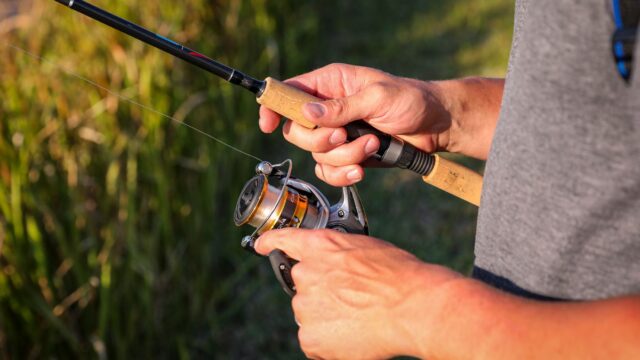
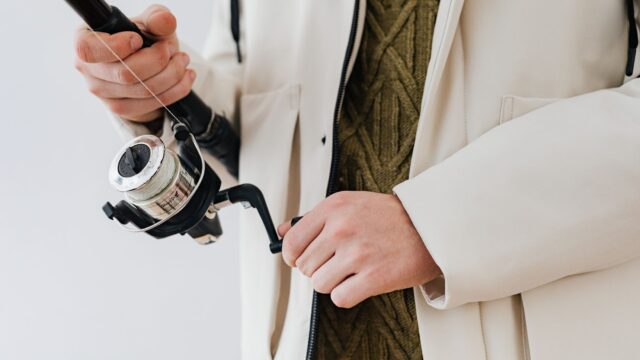
- Reel match. Most are spinning rods; pair them with a small spinning reel, usually a 1000 to 2500 size. Our reel comparison covers the differences.
Care tips
- Extend sections by hand, one at a time, lining up the guides; don’t flick the rod open.
- Seat each joint firmly but don’t twist it too tight, or it may stick.
- Rinse off sand and grit, especially after saltwater, and let the rod dry fully with the end cap off before storing.
- Collapse the rod carefully so the tip section isn’t forced or bent.
- Check guide alignment before casting and after fighting a fish.
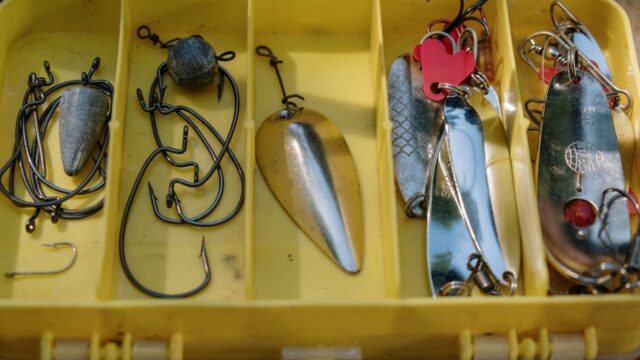
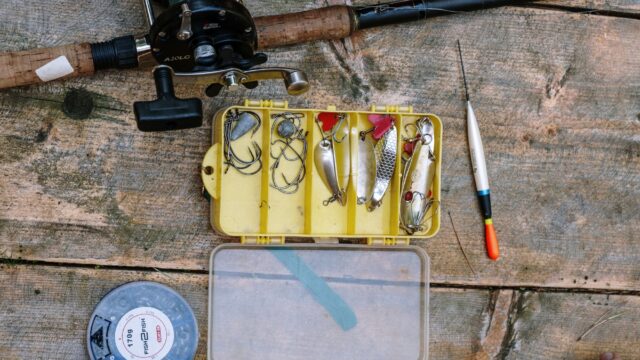
Pack light terminal tackle to match: a small box of spinners, small jigs and hooks covers most hiking trips. Our trout fishing guide is a good primer for mountain streams and stocked lakes. Wherever you fish, carry a valid fishing license and check the local regulations, which vary by state and water.
Bottom line
Telescopic rods trade sensitivity, durability and choice of power and action for unbeatable packability. They’re a smart pick for hiking, travel, kids and backup duty, especially with light lures. For a primary bass rod, choose a one- or two-piece rod, or a quality multi-piece travel rod if you need something packable that still fishes like a standard rod. Take Me Fishing’s freshwater rod overview covers the other rod types.
FAQ
Are telescopic fishing rods any good?
For travel, hiking and light fishing, quality models work well. They’re less sensitive and less durable than comparable standard rods, so they’re rarely the best main rod.
Can you catch bass on a telescopic rod?
Yes, especially with spinners, small crankbaits and soft plastics. For heavy cover, jigs and big fish, a standard medium-heavy rod is better.
What is the difference between a telescopic rod and a travel rod?
A telescopic rod collapses into itself; a travel rod breaks into several plug-in pieces. Travel rods usually bend and feel more like standard rods.
How do I keep the guides aligned?
Line up the guides as you extend each section, seat joints firmly, and recheck alignment after casting and fighting fish.