How to Jig for Walleye Through the Ice: Spoons, Rattle Baits and Cadence
A practical guide to jigging walleye through the ice, covering jigging spoons, rattle baits, lift-and-drop cadence and how to read the marks on your flasher.
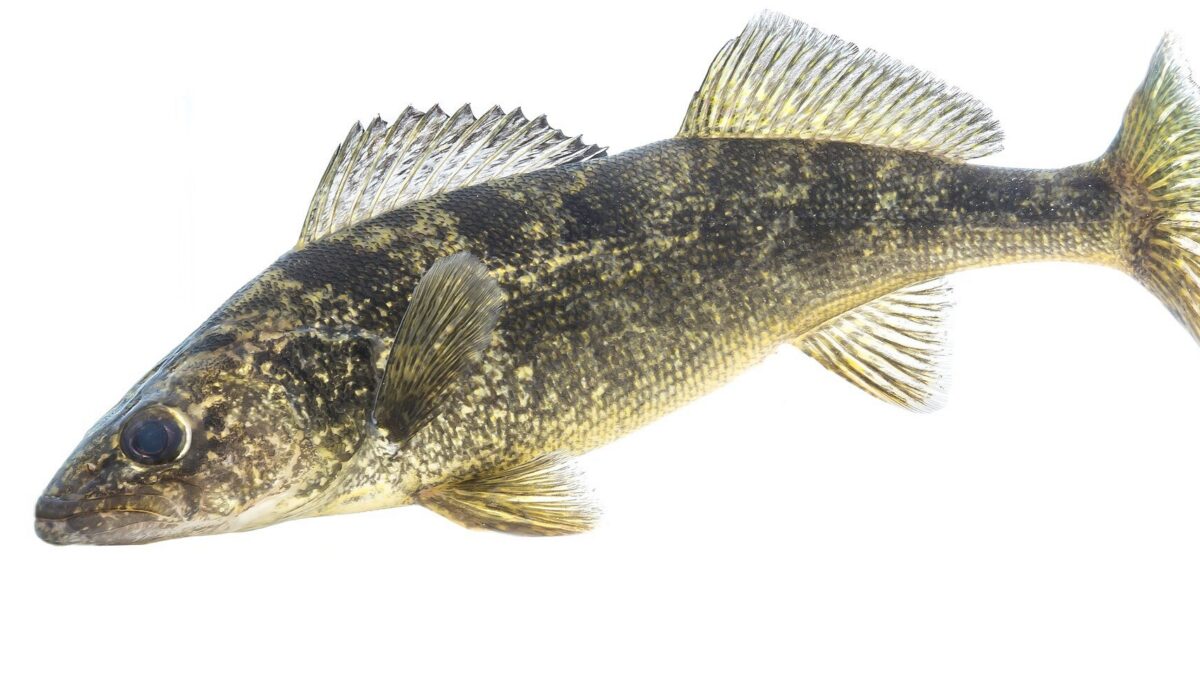
To jig for walleye through the ice, drop a jigging spoon or rattle bait to just above the bottom, make a few firm lifts to flash and call fish in, then slow down and hold the lure still so a fish can commit. Use your flasher to watch fish come up to the lure and adjust the speed of your presentation to their mood. Walleye often feed best in low light, so dawn and dusk are prime times.
Pick the right lure
Two lure types do most of the work.
- Jigging spoons: compact, heavy metal spoons that flutter and flash. They fall fast in deeper water and are good for calling fish from a distance. Sizes of roughly 1/8 to 3/8 oz (3.5 to 10 g) cover most walleye situations, with heavier spoons for depth.
- Rattle baits (blade baits and lipless crank-style lures): they vibrate and make noise on the lift, which helps in stained water or when fish are less active. Many anglers use them when they need to attract fish quickly.
Tip a spoon’s treble hook with a minnow head or a small piece of minnow for extra scent. Our guide to ice fishing for walleye goes deeper on structure choice and gear.
Where to drop it
Walleye generally relate to structure: points, drop-offs, humps, and the edges of weed lines and flats. Start by drilling a few holes along a break and fish the deepest one first. Stay on the move if a spot gives no action after 15 to 20 minutes. Walleye commonly hold at or just above the bottom, so measure the depth and keep the lure within a foot or two (30 to 60 cm) of it.
A basic jigging cadence
- Lower the lure until it touches bottom, then reel up a turn or two.
- Give it a sharp lift of 6 to 18 inches (15 to 45 cm) to create flash and, with a rattle bait, noise.
- Let it fall on a semi-slack line. Most strikes come as the lure falls or while it hangs still.
- Repeat the lifts a few times, then pause for several seconds.
- Occasionally bounce the lure on the bottom to kick up silt and draw attention.
Think of it as a call-and-commit routine: the aggressive lifts bring fish in, and the pause lets them eat. If you get a follow without a bite, stop moving the lure and hold it still, or quiver the rod tip very lightly.
Reading the flasher
A flasher shows depth, the lure and fish as bands of color moving on a dial. Learn these basics:
- The bottom appears as a wide band at the depth. A thicker, harder band usually means a firm bottom.
- Your lure shows as a thin line. A fish shows as a separate mark, typically above the lure when it is rising to bite.
- If a fish marks and then rises toward your lure, stop and slow down, or bring the lure up to meet it.
- If marks rush off the screen after a lift, you may have spooked them. Use a smaller motion next time.
- Marks sitting at the bottom without reacting often need a quieter, smaller lure or a pause.
For help choosing equipment, see our comparison of an ice fishing flasher and an LCD fish finder.
Adjusting to the walleye’s mood
- Active fish: bigger lifts, a louder rattle bait, a faster cadence.
- Neutral fish: a mix of lifts and pauses, with a spoon tipped with minnow.
- Negative fish: small, slow movements, a lighter spoon or just a quiver. Sometimes switching to a smaller jig is what triggers a bite.
Change one thing at a time, such as color, size or speed, so you know what made the difference.
Safety and rules
Check ice thickness as you go and carry ice picks, because ice conditions can change from one spot to another. Our guide to early ice safety covers what to check. Also confirm your state’s license, bag and size limits for walleye before heading out, because rules differ by state and water.
Quick answers
What color works best for walleye?
Many anglers start with glow or gold and silver patterns in dim light and natural colors in clear, bright water. No color is guaranteed, so rotate until fish respond.
Should I use a minnow on a jigging spoon?
A minnow head or small piece adds scent and can turn a follow into a bite. Try it when fish are hesitant.
When is the best time of day?
Low-light periods at dawn and dusk are widely regarded as the best, though walleye can bite at night and midday too.