Ice Fishing for Walleye: Structure, Jigging Spoons, Rattle Baits and Tip-Ups
Walleye under the ice follow structure and light. Fish edges and humps at dusk and dawn with a jigging spoon or rattle bait, plus a minnow on a second line.
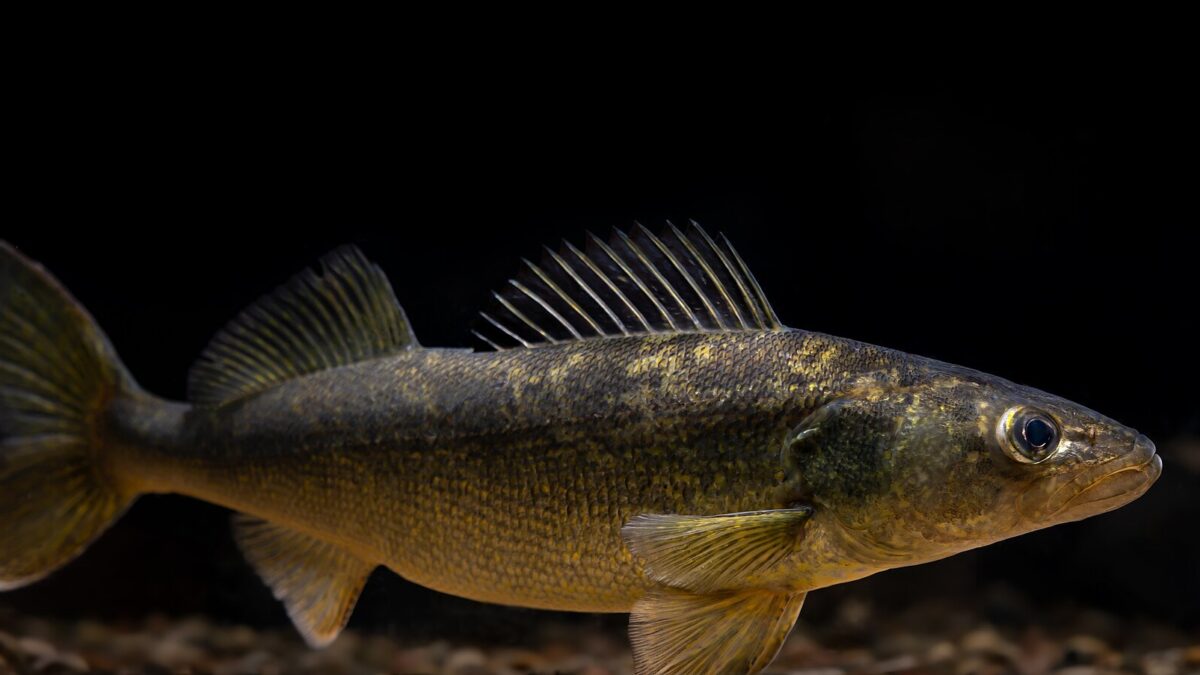
For walleye through the ice, fish structure: points, rock and gravel humps, drop-offs and the edges of flats, and focus on the low-light windows around dawn and especially dusk. Jig a spoon or rattle bait near bottom to attract fish, and set a live minnow on a tip-up or dead-stick rod nearby for fish that won’t commit, where two lines are legal. Use an 8-inch hole, 6–10 lb line and a flasher to see fish come in.
Where to find walleye under the ice
Walleye relate to changes in depth and bottom type. Good starting points on a lake map:
- Points that extend out into deeper water
- Rock and gravel humps (reefs), especially their tops and edges
- Breaklines, where a flat drops into deeper water
- Transitions between hard bottom (rock, gravel, sand) and soft bottom (mud)
- Mud flats in midwinter on some lakes, where walleye feed on insect larvae and baitfish
How location changes through the season
| Stage | Typical pattern |
|---|---|
| First ice | Often near the same shallower structure and weed edges used in late fall |
| Midwinter | Deeper structure, basin edges and mud flats; shorter feeding windows |
| Late ice | Moving toward shallower areas and spawning areas as melt begins |
These patterns differ by water. Big natural lakes, small lakes and reservoirs each have their own habits, and rivers with current are dangerous to fish on through the ice. Our walleye fishing tips cover open-water patterns.
When to fish: dawn and dusk
Walleye have eyes adapted to low light, so they often feed most actively in the hour or two around sunrise and sunset, and sometimes into the night. On snow-covered ice or overcast days, the low-light window can last longer. A common plan is to set up on structure an hour or so before sunset, drill holes at several depths along the edge, and be fishing when the light fades. See the best time of day for ice fishing for more.
Lures for jigging walleye
- Jigging spoons: flash and flutter that draw fish from a distance. Many anglers tip the treble with a minnow head.
- Lipless rattle baits: sound and vibration help attract fish, especially in stained water or low light.
- Swimming (darting) jigs: balanced baits that dart out to the side and glide back when jigged, covering more water around the hole.
- Jig and minnow: a simple jighead with a live minnow, worked slowly near bottom.
How to jig for walleye
- Drop the lure to bottom, then reel up a few inches to a foot.
- Snap the rod tip up sharply, then follow the lure back down on a controlled slack line.
- Hold still for a few seconds. Many bites come as the lure settles or during the pause.
- Watch your flasher. If a fish rises to look, slow down and shorten your movements.
- If a fish follows but won’t bite, try a smaller, quieter presentation or a plain minnow.
- Set the hook with a firm lift when you feel weight or see the line jump.
A flasher shows how walleye react to each movement, which makes it easier to find the cadence that triggers bites. See flasher vs fish finder.
Dead-sticks and tip-ups with minnows
Many walleye come in to a jigging lure but then eat a quieter bait nearby. Where your state allows two or more lines, set a second rod with a live minnow on a plain hook (a dead-stick) or a tip-up a short distance from your jigging hole:
- Use shiners, fatheads or small suckers, depending on what’s legal and available.
- Hook the minnow lightly under the dorsal fin or through the lips so it stays lively.
- Set the bait about one to two feet off bottom.
- Use a light-biting setup such as a sensitive rod or a tip-up with a light trip setting, because winter walleye can be cautious.
Tip-up setup, bait and flag tips are in our guide to how to use tip-ups.
Rods, line and hole size
- Rod: roughly 28 to 36 inches, medium-light to medium power, stiff enough to snap a spoon or rattle bait.
- Line: typically 6 to 10 lb test, often braid or mono with a fluorocarbon leader.
- Holes: an 8-inch hole is standard for walleye; larger fish can be a squeeze through a 6-inch hole.
Safety and regulations
Good walleye spots such as necks, points near current and reefs near channels can have thinner ice. Follow the Minnesota DNR minimum of 4 inches of new, clear ice for walking, check thickness as you go, and remember that no ice is ever 100% safe. If you fish into the dark, mark your route back.
Walleye seasons, slot and size limits, bag limits and line limits vary by state and lake, and some waters close walleye fishing in late winter. Check your state wildlife agency’s current regulations.
Bottom line
Set up on structure before the evening window, jig a spoon or rattle bait near bottom to call fish in, and keep a live minnow on a second line for the fish that only look. Watch your flasher, adjust your cadence, and move along the edge until you find active fish.
FAQ
What depth do walleye hold in winter?
It varies by lake and season. Expect them on shallower structure at first ice, deeper structure and mud flats in midwinter, and shallower again at late ice. Use a map to find edges at several depths.
What is the best time to ice fish for walleye?
The hour or two around sunset is often best, with sunrise a close second. Snow cover and cloudy days can extend feeding windows.
Should I use a jigging spoon or a rattle bait?
Both attract walleye. Rattle baits add sound and are popular in stained water or low light, while spoons add flash and flutter. Carry both and switch until the fish respond.
What size hole do I need for walleye?
An 8-inch hole is the common choice. It’s easy to drill and leaves enough room to land most walleye.