Ice Fishing for Crappie: Find Suspended Schools and Catch Them at Dusk
Winter crappie often hover in the middle of the water column over deeper water. Find the school with electronics, fish just above it, and be ready at dusk.
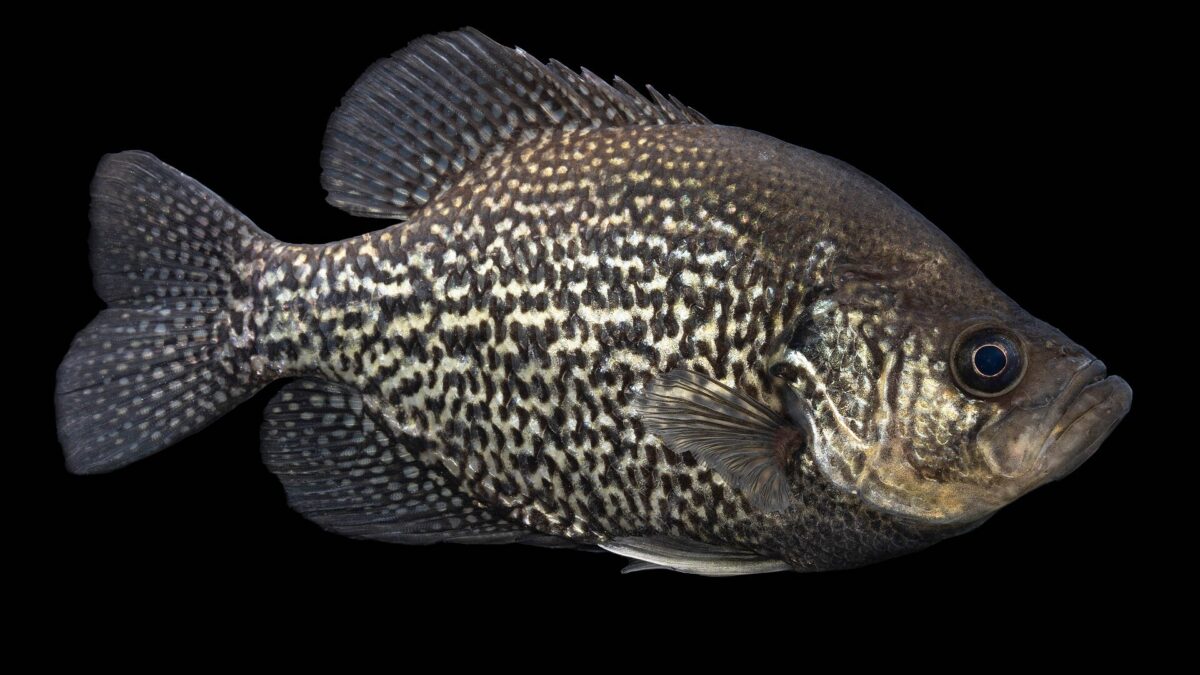
To catch crappie through the ice, look for schools suspended over deeper basins or near weed edges and structure, find their depth with a flasher, and fish a small jig or a small minnow at or slightly above that depth. Crappie often feed best from late afternoon through dusk and into dark. Keep your line light, your movements subtle, and be ready to move, because winter schools roam.
Where crappie go in winter
Crappie location changes through the ice season. These are general patterns that vary by lake type and region:
| Stage | Typical location | What to look for |
|---|---|---|
| First ice | Weed edges and weedy flats near deeper water | Remaining green weeds, inside turns of the weed line |
| Midwinter | Deeper basins and holes, often suspended well off bottom | The deepest soft-bottom areas, edges of basins, brush piles |
| Late ice | Moving shallower again toward weeds, channels and areas that warm first | Weed flats, inflows, bays connected to deep water |
In reservoirs and southern lakes that freeze, crappie may also hold around standing timber, brush piles and creek-channel edges. Lake maps help you find basins and drop-offs before you drill. For open-water patterns, see our crappie fishing tips.
Using electronics to find the school
Crappie are the species where electronics make the biggest difference under the ice, because they so often suspend. A flasher or fish finder shows you:
- How deep the school is. Midwinter crappie may sit several feet or more off bottom.
- Whether fish are present at all, so you don’t waste time on empty holes.
- How fish react to your jig, so you can adjust cadence.
Drill a line of holes across a basin edge, check each quickly with your electronics, and fish the holes that show marks. Our guide to flashers vs fish finders explains how to read the display.
Baits and lures
- Small jigs: tiny tungsten or lead jigs, often in the 1/64 to 1/32 ounce range, tipped with a small plastic tail or a few spikes or waxworms.
- Horizontal jigs and small plastics: minnow-shaped plastics on a jig that hangs flat can look like a small baitfish.
- Small spoons: useful for calling in fish from a distance, then switch to a smaller jig if they won’t commit.
- Minnows: a small minnow on a light-wire hook below a small float or spring bobber is a classic. It works well as a second line set a little above the school, where two lines are allowed.
Line is typically 2 to 4 lb test. Light line lets small jigs sink and move naturally and is harder for fish to see in clear water.
How to fish for crappie through the ice
- Find the school’s depth with your electronics.
- Drop your jig to just above the fish. Crappie usually look up for food, so a bait slightly above them often draws them up.
- Jiggle, then pause. Small shakes followed by a still bait. Many bites come on the pause.
- Watch for the up-bite. Crappie often rise and take the bait from below, so your line goes slack or a spring bobber lifts instead of dipping.
- Set gently. A short lift of the rod is enough. Crappie have thin mouth membranes, and a hard set can tear the hook free.
- Follow the school. If the marks rise, raise your bait. If they disappear, move to the next hole.
Timing: dusk and after dark
Crappie are often most active as light fades. Schools may rise in the water column and feed more aggressively at dusk and in the first hours of darkness. Many anglers fish daytime panfish or scout new holes, then settle over a basin for the evening window. See the best time of day for ice fishing for more on low-light timing.
If you fish after dark, set up in daylight, mark your route back with GPS, bring a headlamp and a spare light, and keep ice picks and a phone on your body. Check that night fishing is legal on your water.
Keeping crappie in good shape
Crappie pulled quickly from deep water can suffer barotrauma, a swollen swim bladder from the pressure change, which can reduce their chances of surviving release. If you are catching fish from deep water, consider keeping what you plan to eat within the legal limit and stopping there, rather than releasing many fish. If you do release fish, do it quickly. See our catch and release tips.
Regulations
Crappie limits, size rules and line limits vary by state, and some lakes have special panfish regulations. Check your state wildlife agency’s current rules for the water you fish, and make sure your fishing license is valid for the season.
Bottom line
Find crappie with electronics over deep basins, weed edges and structure, fish a tiny jig or small minnow just above the school on light line, set the hook gently, and plan to be on the fish at dusk. Move often until you find a school, then follow it as it rises and falls.
FAQ
How deep do crappie go in winter?
It depends on the lake. In midwinter they often hold over the deepest basins and holes, suspended well off bottom, while at first and late ice they can be much shallower near weeds.
What is the best bait for crappie through the ice?
Small jigs tipped with plastics or live larvae, and small minnows on a light hook, are the most common choices. Try both and let the fish decide.
Why do crappie bites feel so light in winter?
Crappie often rise to take the bait from below, which shows as slack line or a lifted spring bobber rather than a pull. Watch for any change in the line or rod tip.
What time do crappie bite through the ice?
Late afternoon, dusk and the first hours after dark are often the best windows, though they can bite during the day under snow cover or on cloudy days.