How to Clean and Maintain a Spinning Reel Before Winter Storage
Learn how to rinse, dry, lightly lubricate and store a spinning reel for winter so the drag, bail and bearings are ready when the next fishing season starts.
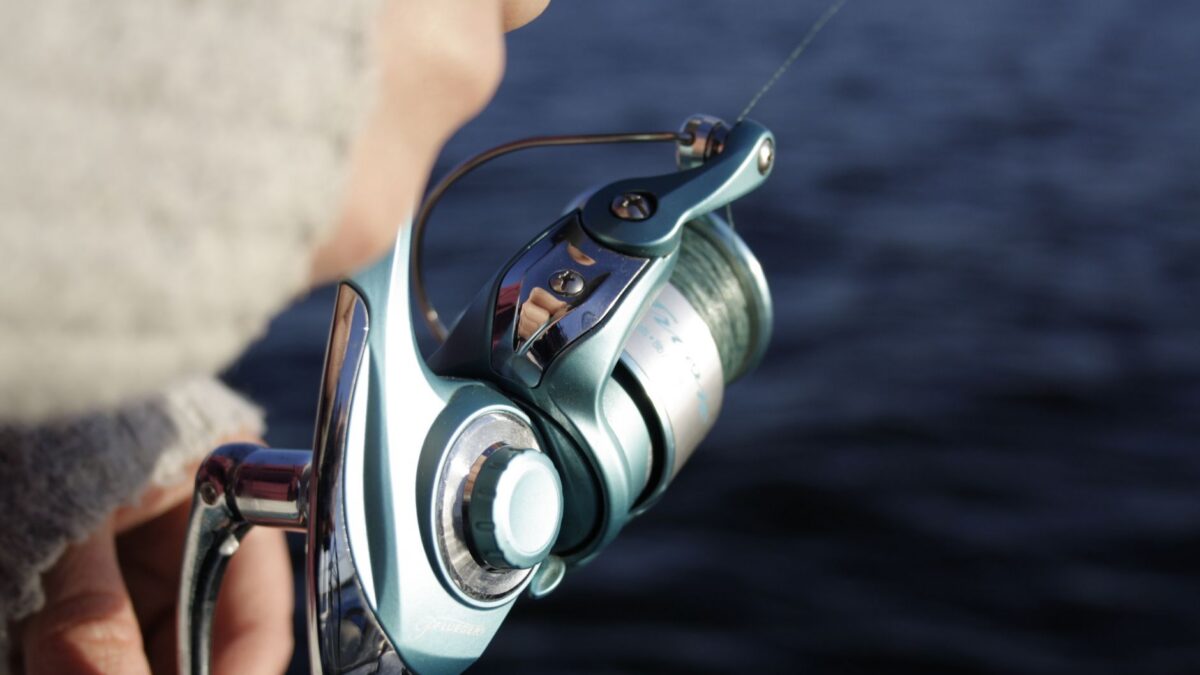
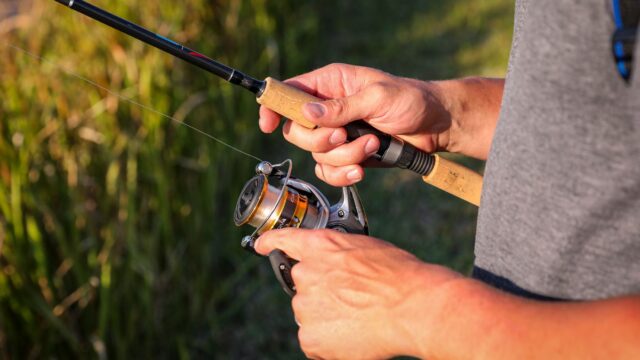
To store a spinning reel for winter, strip off the old line if it is worn, wipe the reel down with a damp cloth, let it dry completely, put a drop of reel oil on the moving parts and a little grease on the gears, back the drag off, and keep it somewhere dry at room temperature. The whole job takes about 20 to 30 minutes, and it prevents the corrosion, stiff bails and gritty bearings that show up after months in a cold garage.
Why a reel needs care before it sits
A season of fishing leaves a reel with sand, plant fibers, dried bait residue, sunscreen and invisible salt or mineral film from water. Left in place, these attract moisture and slowly work into the bearings and gears. Old grease also dries out and thickens over time. Ten minutes of cleaning now is much easier than repairing a seized bail spring in April.
Freshwater reels are more forgiving than saltwater ones, but they still collect grime. If the reel ever went into brackish or salt water, follow the same steps and be extra careful about rinsing and drying.
What you need
- A soft cloth and a few cotton swabs
- An old soft toothbrush
- A small bowl of warm water with a drop of mild dish soap
- Light reel oil and reel grease made for fishing reels
- The small tools that fit your reel, usually a screwdriver or a hex key if you plan to open it
- A clean towel or tray to hold parts
Use products made for reels when you can. General household oils and sprays can be too thin, can attract dust, or can soften the rubber and plastic seals some reels use.
Step 1: Remove the line and check it
Take the spool off by turning the drag knob counterclockwise until it comes free on most models. Check how the old line looks. Monofilament that is coiled, faded or rough to the touch should be replaced, and braid that is frayed or fuzzy near the end should be trimmed back or replaced. Many anglers prefer to leave a reel empty or only lightly spooled over winter, because line stored under tension can take a permanent coil. When spring comes, our guide on spooling a reel without line twist covers fresh line.
Step 2: Clean the outside
- Dampen a cloth with warm, slightly soapy water and wipe the body, handle, rotor, bail wire and spool.
- Use the soft toothbrush around the line roller, the handle knob and the gap between the spool and the rotor.
- Wipe again with a cloth dampened with plain water to remove soap.
- Dry everything with a towel and then let the reel sit for a few hours.
Do not hold a reel under a strong stream of water or submerge it. Water pressure can push dirt and moisture past the seals and into the gearbox, even on reels sold as sealed. A damp cloth does the job without that risk.
Step 3: Inspect the moving parts
With the reel clean and dry, check each part that wears or catches the line.
- Line roller: it should spin freely. A roller that sticks or has a groove worn into it will damage line and should be cleaned, oiled or replaced.
- Bail and bail spring: flip the bail several times. It should snap over firmly in both directions.
- Handle: turn it slowly and feel for grinding, clicking or tight spots. These point to dirt or dry grease inside.
- Anti-reverse: the handle should lock in one direction without slipping.
- Drag washers: if you can see them on the spool, look for flat spots, cracking or a hard glazed surface.
- Screws: make sure none have loosened or are rusting.
Step 4: Oil and grease the right places
A little lubricant goes a long way, and too much is a common mistake because it collects dirt and can foul the drag.
- Oil (one small drop each): the line roller, the bail arm pivot points, the handle knob, the handle shaft where it enters the body, and the main shaft bearing if it is exposed.
- Grease (a thin layer): the main gear and pinion gear, but only if you are comfortable opening the side plate. Check your owner’s manual or the maker’s parts diagram first, since opening some reels voids the warranty.
- Keep lubricant away from the drag washers unless the manufacturer says to treat them. Wrong oil on drag washers can make the drag grab or slip.
After oiling, turn the handle thirty or forty times so the lubricant spreads, then wipe off any excess from the outside.
Step 5: Release the drag and store the reel
Back the drag knob off until it is loose. Leaving the drag tight for months compresses the washers and can make them stiff or uneven. Put the spool back on, and if you keep the reel on a rod, loosen the drag first and secure the hook so it cannot scratch anything.
Choose a place that is dry, shaded and at a steady temperature, such as a closet or a shelf in the house. Garages, sheds and car trunks can swing between cold and damp, and condensation forms on metal parts. A reel pouch or a padded case keeps dust and scratches off. Do not store reels in a sealed plastic bag with damp air inside, and avoid leaving them near a furnace or a window with direct sun.
If you have more than one reel, label the pouch or the box with the line weight it holds. That saves time when you pick your gear in spring, and our overview of a simple bass setup can help you match reels and rods. If you are deciding between reel types, spinning versus baitcasting reels explains the differences.
Mistakes to avoid
- Putting a reel away wet or damp.
- Using thick automotive grease or heavy household lubricants inside the reel.
- Spraying oil into the drag stack.
- Taking the reel apart without a parts diagram or a phone photo of each step.
- Leaving a full spool of old line on for the whole winter.
If a reel feels rough after a careful cleaning, if the bail will not stay open or if the gears click, a reel repair shop can service it. That is often cheaper than replacing an expensive model.
Keep fishing in winter
If you plan to keep fishing through the cold months, you do not need a full winter shutdown. Wipe the reel after each trip and let it dry at room temperature. If you are heading out in open water, winter bass fishing in open water covers where bass go and how to find them.
Quick answers
Can I clean a spinning reel with WD-40?
It is not a good choice. Many general sprays are thin solvents that can strip the grease the reel needs and leave residue that attracts dust. Use oil and grease made for reels.
Should I take the line off for winter?
Many anglers do, or they at least replace line that looks worn. Line kept under tension for months can develop coils, and old monofilament weakens with age. Starting the next season with fresh line is cheap insurance.
How often should I service a spinning reel?
Most people do a full clean and lube once a year, with quick wipe-downs after each trip. Reels used heavily or in salt water may need attention more often.
Is it safe to store a reel in a cold garage?
It can be, as long as the reel is completely dry and the space does not get damp. Moisture is the real risk, and condensation forms when temperatures swing. A dry indoor spot is the safer choice.