Tungsten vs Lead Ice Jigs: What Changes, Sizes and When It Pays Off
Tungsten ice jigs are denser, smaller for their weight and sink faster than lead. Learn what that changes, which sizes to carry and when the price is worth it.
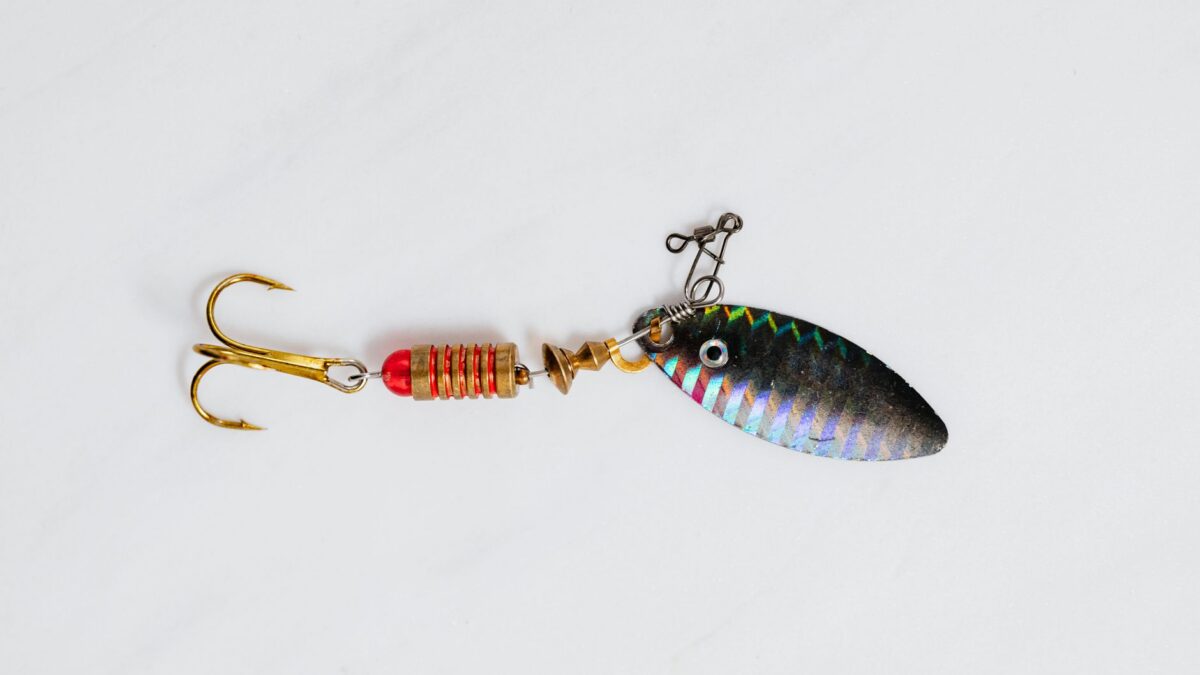
Tungsten is much denser than lead, so a tungsten ice jig is noticeably smaller than a lead jig of the same weight. That smaller profile sinks faster, holds its position better in deeper water and gives a subtler look to finicky fish. Lead still catches plenty of fish in shallow water and costs far less, so tungsten is worth the price mainly when depth, wind-free finesse or picky panfish make size and sink rate matter.
What tungsten actually changes
Density is the key difference. Because tungsten packs more weight into less space, a jig head can be small and still heavy enough to drop quickly. That brings three practical changes:
- Smaller profile at the same weight. You can offer a tiny bait that still falls fast, which suits fish that ignore bulky lures.
- Faster sink rate. The jig reaches the zone quickly, and it keeps a straighter line to the rod tip in deeper water or with a little current.
- Better feel. The dense head transmits taps and bites to the rod more clearly, especially on a light line, and helps you detect soft bites.
Where lead still makes sense
Lead jigs are cheap, easy to find and available in many shapes and colors. In shallow water, say a few feet, the extra sink speed of tungsten matters little. Lead is also a sensible choice for beginners who lose jigs to snags, weeds or hard hooksets. Lead is also easy to work with, and many anglers pour or paint their own.
One note on safety and the environment: lead is toxic, and some states and provinces restrict lead tackle, especially small sinkers and jigs, in certain waters. Check your local fishing regulations before buying, and keep lead away from children and pets. Tungsten is a non-toxic alternative that suits places with these restrictions.
Sizes to carry
Jig size is usually given by weight and by hook size. Exact numbers vary by brand, so use these as starting points rather than fixed rules:
- Tiny finesse jigs for panfish: small heads, often well under 1/16 ounce (about 1.5 g), paired with small hooks. These work for bluegill, crappie and perch when fish are cautious. See our guide to ice fishing for perch and bluegill for tactics.
- Mid-size jigs: roughly 1/16 to 1/8 ounce (about 1.5 to 3.5 g), a good all-around range for panfish at moderate depths.
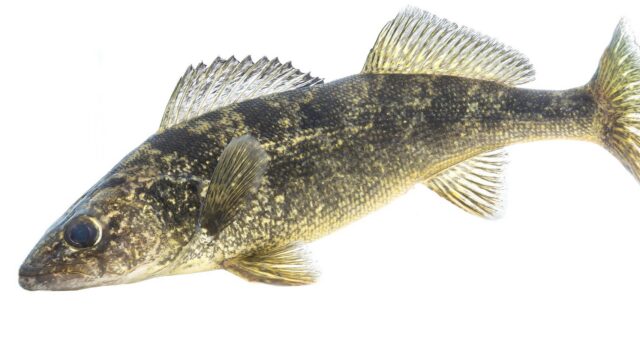
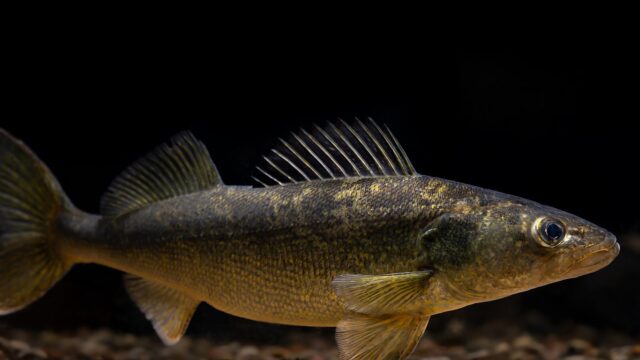
- Heavier jigs: 1/8 ounce or more (3.5 g or more) for deeper holes, where a light jig takes too long to reach bottom. For walleye, larger heads and spoons are more typical.
Match the hook to the bait and the fish. Hook sizing is covered in our hook size chart. Keep a few weights of each style, as the best size changes with depth and fish mood.
When tungsten is worth the price
- Deep water. In deeper holes, a small tungsten jig reaches the fish quickly and you stay in contact with it.
- Finicky or pressured fish. When fish ignore larger lures, a small tungsten jig lets you offer a small bait that still drops fast.
- Light line. The extra density helps you control a jig on thin line.
- Windy or sensitive setups. When you rely on subtle feel and reading line movement, density helps.
It is less compelling in shallow water, when fish are aggressive, or when you tend to lose lots of jigs. An experienced angler may find the difference clear, whereas a casual angler may not. Tungsten also tends to cost several times more than lead, so a mixed kit is a sensible approach: tungsten for the situations above and lead for general use.
Getting more from either material
- Match the jig to the depth. If it takes forever to drop, go heavier or switch to tungsten.
- Tip with bait. Small plastics, wax worms or minnow heads add scent and movement.
- Watch your line. A slack line while the jig falls often signals a bite.
- Use a sensitive rod and light line. Good gear lets you use the properties of a dense jig.
- Use sonar. A flasher or graph shows where fish are and how they react. Learn more in our guide to how CHIRP sonar works.
Always check ice thickness and conditions before heading out. Our guide to early ice safety explains how to fish carefully.
Quick answers
Is tungsten stronger than lead?
Tungsten is much harder and denser, so it resists dings better than soft lead, but strength is not what makes it fish well. The main benefit is weight in a small size.
Can I use tungsten jigs for walleye?
Yes, though walleye anglers often use larger spoons and rattle baits. A tungsten jig can help in deep water when fish are less aggressive.
Do tungsten jigs catch more fish?
Not automatically. They solve problems of depth, sink rate and feel. If the fish are active and shallow, lead can do just as well.
Are lead jigs legal everywhere?
No. Some areas restrict lead tackle. Check your state or provincial regulations before you buy.