First Ice Fishing: When Early Ice Is Safe and How to Fish It Carefully
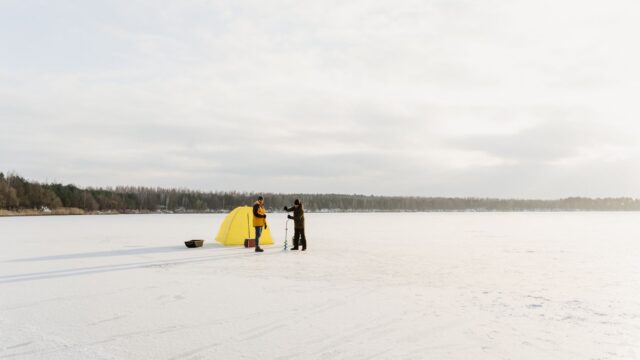
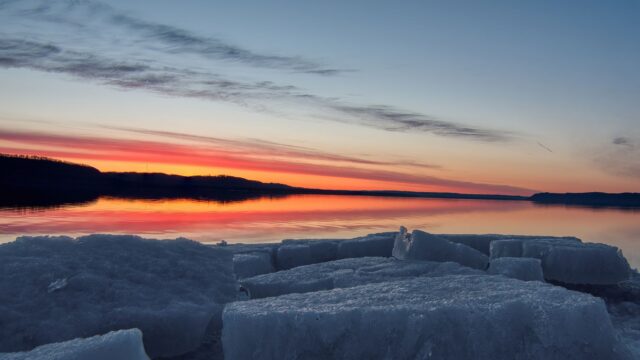
Learn how thick clear ice needs to be, how to check it as you go, where fish sit at first ice and how to fish early ice with a safety-first routine.
Learn how thick clear ice needs to be, how to check it as you go, where fish sit at first ice and how to fish early ice with a safety-first routine.
You need less gear than you think: safe ice, a way to make a hole, a short rod, small jigs and the right clothes. Here is how to plan your first day on the ice.
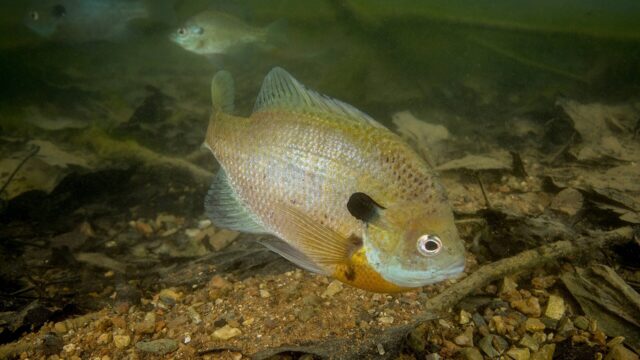
Bluegill live almost everywhere, bite readily and fight hard for their size. A bobber, a small hook and a piece of worm is all you need to start.
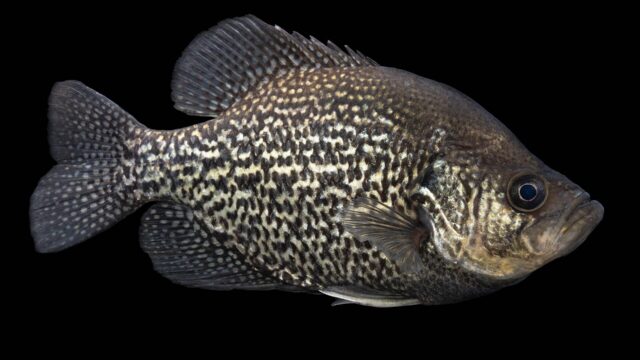
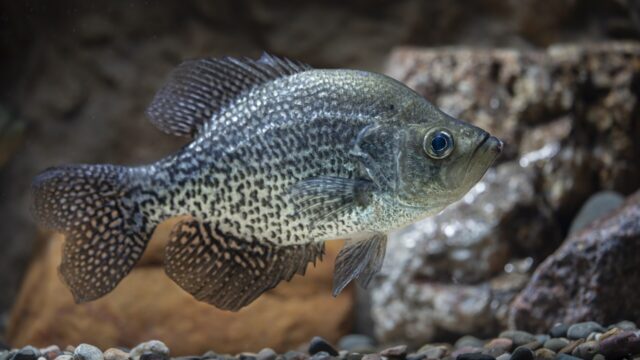
Winter crappie often hover in the middle of the water column over deeper water. Find the school with electronics, fish just above it, and be ready at dusk.
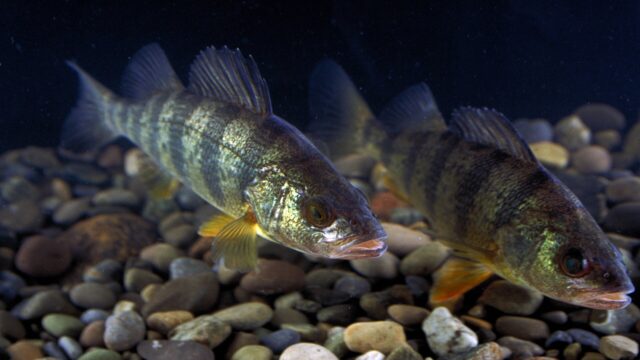
Perch roam soft-bottom flats, bluegill hang in the weeds, and both bite tiny jigs on light line. The trick is finding the school and keeping up with it.
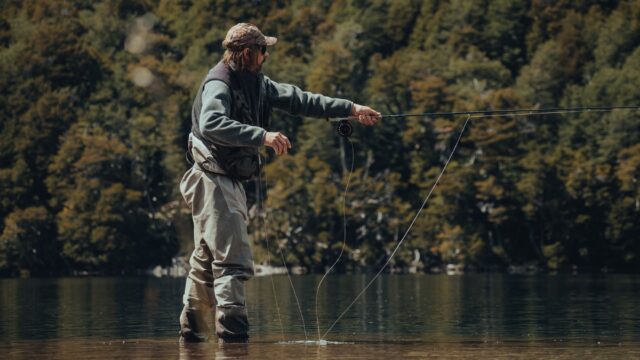
A plain-English starter guide: what makes fly fishing different, the one outfit that covers most beginner fishing, and where to make your first casts.
Crappie school up around cover and move with the seasons. Find the depth, show them a small jig or minnow slowly, and you can catch plenty.
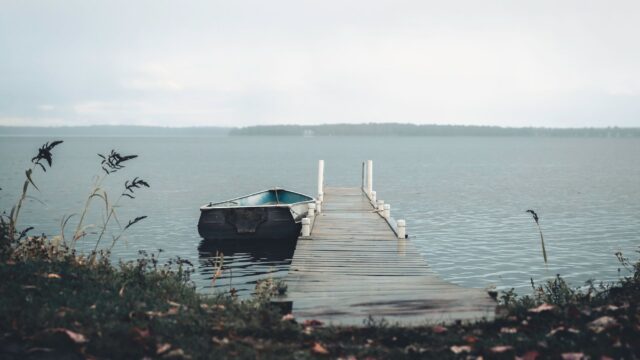
Most fish in a lake live along edges: weed lines, drop-offs, docks and points. Start there with a couple of simple rigs and your first trip has a real chance.
We use analytics cookies to see which articles are read. No ads cookies. Privacy policy