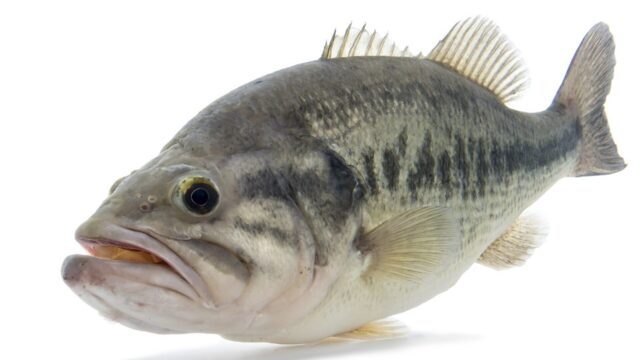
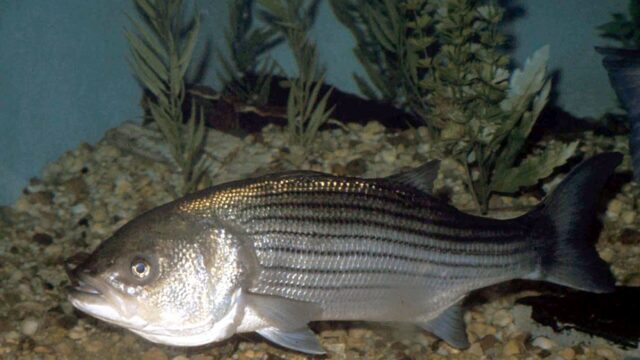
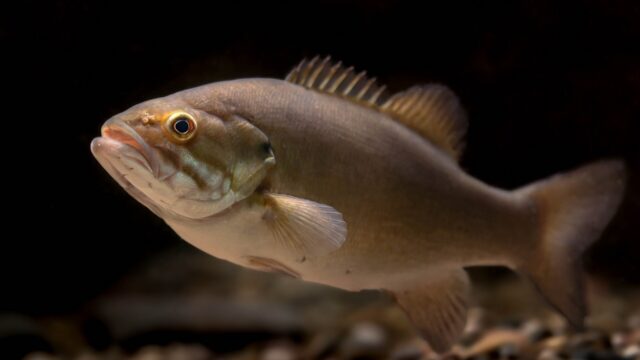
Where Do Bass Go in Winter? Depth, Structure and Temperature
Bass in winter hold near the deepest stable water close to their fall areas. See typical depths and structure in reservoirs, natural lakes and rivers.
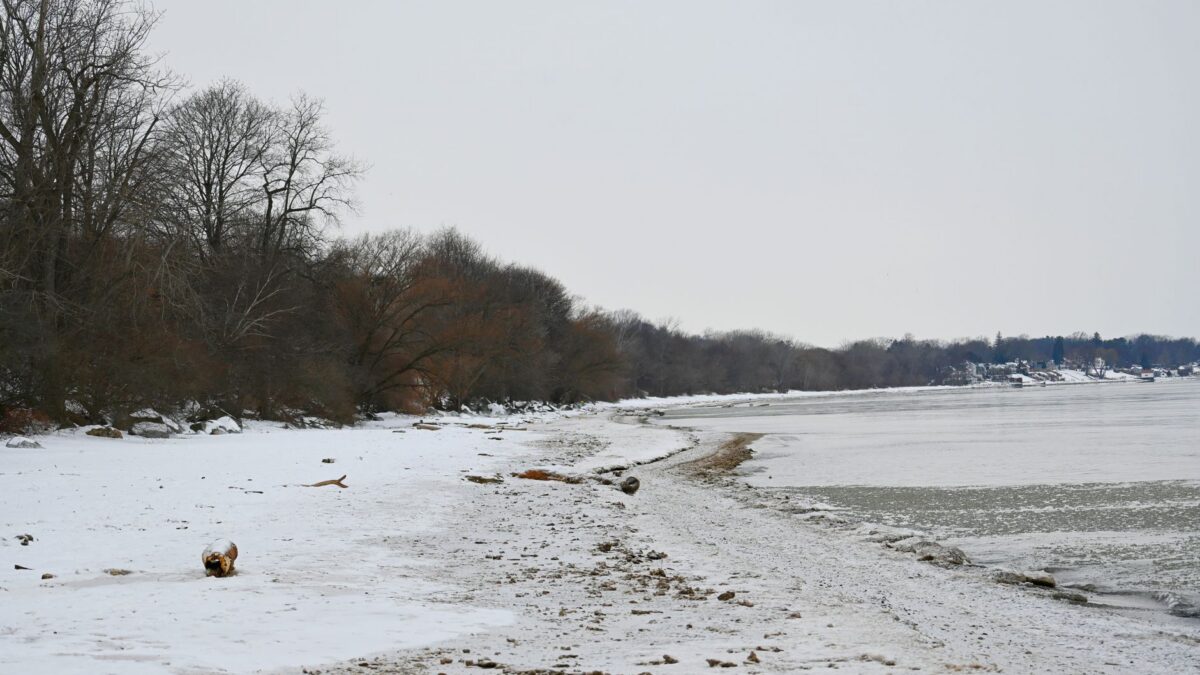
In winter, bass move to the nearest deep, stable water close to where they spent the fall: channel bends, steep bluffs, ledges, deep weed edges and slow river holes. In most reservoirs and natural lakes that means roughly 15 to 40 feet (4.5 to 12 meters), though in shallow or stained lakes bass may winter in 8 to 15 feet (2.5 to 4.5 meters). Bass do not hibernate; they feed less, move less and stay close to quick access between deep and slightly shallower water.
Below is how water temperature drives that move, and what winter locations look like in each type of water.
Why does water temperature change where bass live?
Bass are cold-blooded, so water temperature sets how fast they digest, how far they chase and how much they eat. As water drops below about 50°F (10°C), largemouth slow down noticeably, and below about 45°F (7°C) they become sluggish and feed in short windows. Smallmouth and spotted bass tolerate cold water better and often stay more active than largemouth at the same temperature.
Deep water matters in winter because it changes temperature slowly. Shallow flats can cool sharply overnight during a cold front, while water 20 feet down stays steadier. Fresh water is densest at about 39°F (4°C), so in lakes that freeze, the warmest water in midwinter often sits near the bottom of the deepest areas, under colder water and ice.
Bass in winter look for three things together:
- Stable temperature, usually found in deeper water.
- Food nearby, especially schools of shad, shiners or other baitfish.
- Vertical access, meaning a steep drop where they can move up or down a few feet without traveling far.
Where do bass go in winter in reservoirs?
In reservoirs, bass winter along the old river and creek channels, especially where those channels swing close to a bank or a point. These channel swings give bass deep water for safety and shallower ledges or rock a short distance away for feeding. Good winter areas include:
- Channel swing banks, where the creek channel bends against a bluff or steep bank.
- Main-lake and secondary points that drop quickly into a channel.
- Bluff walls, where bass can suspend at whatever depth is comfortable.
- Creek mouths in the lower third of a tributary arm, where baitfish gather.
- Standing timber and brush piles on channel edges.
Clear highland reservoirs usually push bass deeper, often 25 to 40 feet (7.5 to 12 meters) or more. Stained lowland reservoirs hold bass shallower, sometimes 10 to 20 feet (3 to 6 meters), because light penetrates less and the deepest water may not be far down. Shad behavior is a strong clue: when shad die off or bunch up in cold water, bass usually stay close to them. Water level changes also shift winter fish, as the piece on low water on Arkansas lakes shows.
Where do bass go in winter in natural lakes?
In natural lakes, bass winter on the steepest breaks closest to deep basin water, and along any weed lines that stay green into the cold season. Natural lakes often lack the channels that reservoirs have, so structure is defined by drop-offs, humps and vegetation.
- Deep weed edges: green cabbage, coontail or other hardy plants hold oxygen and baitfish longer than dying weeds.
- Steep breaklines off points and along the main basin.
- Offshore humps and rock piles surrounded by deep water.
- Soft-bottom basin edges, where some largemouth hold near the bottom in the coldest weeks.
Bass in natural lakes also suspend more than many anglers expect, hanging off a break at mid-depth near baitfish rather than sitting on the bottom. A contour map and electronics help a lot here; the basics are covered in reading a lake map for bass structure.
Where do bass go in winter in rivers?
In rivers, bass leave the current in winter and gather in slow, deep water: large pools, eddies behind points or bridge pilings, backwater sloughs and the downstream sides of islands. Holding in strong current burns energy that cold bass cannot easily replace, so they stack up wherever flow slows.
- Deep wintering pools, often the deepest hole in a long stretch of river.
- Eddies and slack water behind wing dams, logjams and large boulders.
- Backwaters and oxbows connected to the main river, if they do not freeze solid.
- Warm-water discharges from power plants, where these exist, which can hold fish and bait all winter.
River smallmouth are known for traveling some distance to reach wintering holes and then staying in a fairly small area until spring. Rising, muddy water after rain or snowmelt can push bass even tighter to slack water. For more on reading flow, see fishing current seams and eddies in rivers.
Do bass ever come shallow in winter?
Yes, bass in winter often move shallower for short periods on sunny, calm afternoons, especially after several stable days. A few degrees of warming can draw them toward spots that heat up first:
- Banks on the north side of a lake or cove, which face south and get the most winter sun in the Northern Hemisphere.
- Dark rock, riprap and seawalls that absorb heat.
- Dark-bottomed coves and protected pockets out of the wind.
- Docks and boathouses close to deep water.
These moves are usually brief and tied to deep water nearby. A hard cold front, a sharp drop in water temperature or a strong north wind usually sends bass back to their deep holding areas.
How can you find winter bass faster?
The quickest way to find winter bass is to start where they were in late fall and follow the nearest route to deep water. Bass rarely travel far between late fall and winter spots.
- Check the surface temperature and note which areas are warmest.
- Look on a map for the closest channel swing, steep break or deep pool to productive fall areas.
- Idle over those spots with sonar, looking for baitfish schools and fish near the bottom or suspended along a break.
- Fish slowly and stay put once you find fish, since winter bass are often grouped tightly.
- Recheck shallow, sunny banks in the warmest part of the afternoon.
Common mistakes include moving too quickly, fishing water that is far from any depth change, and using fast retrieves. Lure choice is covered in detail in how to catch bass in open water in winter.
Safety matters more in cold weather. Wear a life jacket at all times on the water, dress in layers, carry a dry change of clothes and tell someone your plan. Cold water can cause sudden gasping and loss of muscle control within minutes of a fall overboard.
Quick answers
How deep are bass in winter?
Most bass in winter hold roughly 15 to 40 feet (4.5 to 12 meters) deep in clear lakes and reservoirs, and often 8 to 20 feet (2.5 to 6 meters) in stained or shallow water.
Do bass stop eating in winter?
No. Bass feed less often and digest slowly in cold water, but they still eat, usually during the warmest part of the day or around active baitfish.
What water temperature slows bass down?
Largemouth slow noticeably below about 50°F (10°C) and become sluggish below about 45°F (7°C). Smallmouth stay somewhat more active in the same conditions.
Do bass suspend in winter?
Often, yes. Bass in winter frequently hang off bluffs, channel edges and breaks at mid-depth near baitfish, rather than sitting on the bottom.