Ice Fishing for Perch and Bluegill: Tiny Jigs, Mud Flats, Weed Edges and Staying on the School
Perch roam soft-bottom flats, bluegill hang in the weeds, and both bite tiny jigs on light line. The trick is finding the school and keeping up with it.
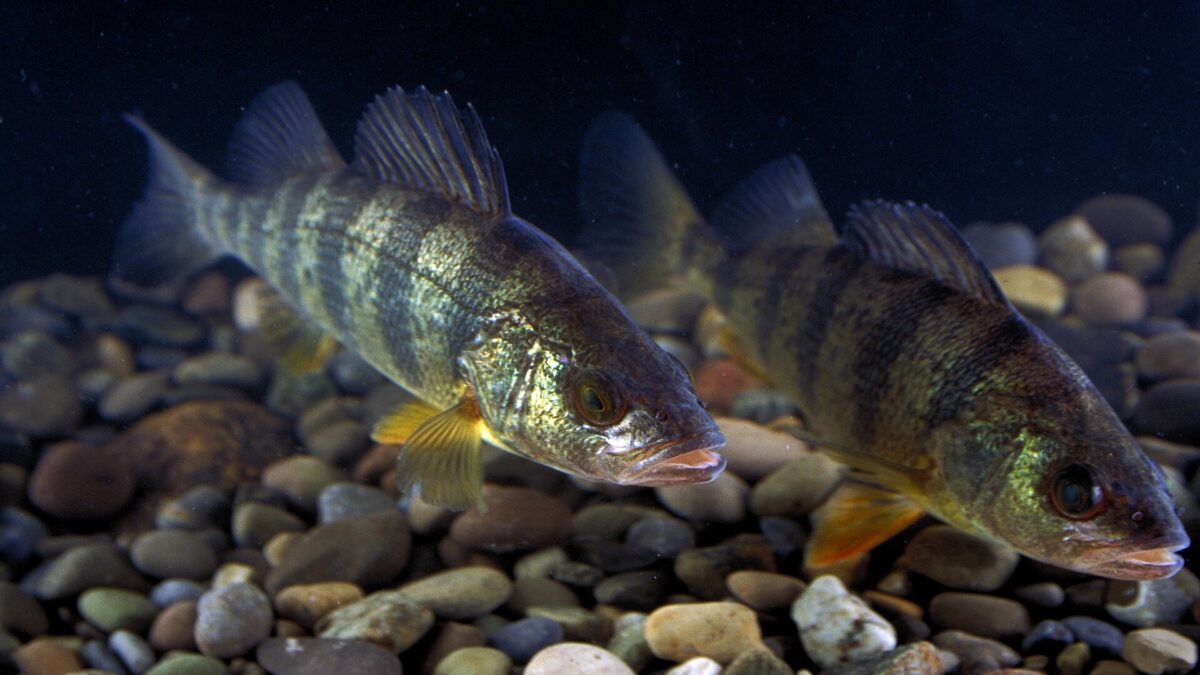
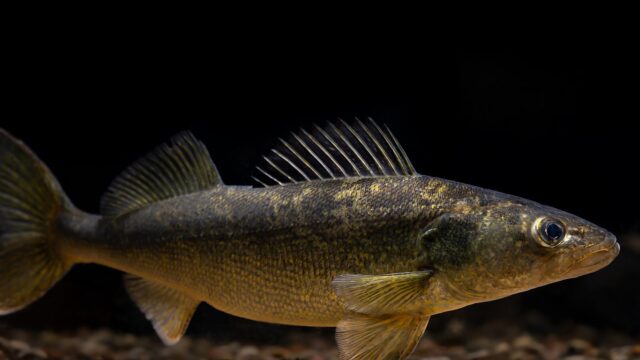
For yellow perch, fish near bottom on soft-bottom (mud) flats and the edges of drop-offs during daylight hours. For bluegill, fish weed edges and weedy flats, often a little above the bottom or among the weeds. Both bite tiny jigs tipped with spikes, waxworms or small plastics on 2–4 lb line. Both travel in schools, so drill plenty of holes and keep moving until you find active fish.
Perch vs bluegill at a glance
| Yellow perch | Bluegill | |
|---|---|---|
| Typical winter spots | Mud flats, basin edges, transitions from hard to soft bottom | Weed edges, weedy flats, pockets in weeds near deeper water |
| Position | Usually on or near bottom | Bottom to mid-depth, often in or above weeds |
| Best times | Daylight, often morning through afternoon | Daylight, often mid-morning through afternoon |
| Go-to baits | Small jigs or spoons tipped with spikes, waxworms or a minnow head | Tiny jigs tipped with spikes, waxworms or small plastics |
| Behavior | Roaming schools that move often | Smaller groups that stay closer to cover |
Finding perch: mud flats and edges
In many lakes, winter perch feed heavily on insect larvae living in soft, muddy bottom, plus small baitfish and other invertebrates. That’s why soft-bottom flats, especially near deeper basins or drop-offs, are classic perch water.
- Look for transitions where hard bottom turns to mud; a flasher often shows a softer, thinner bottom return over mud.
- Fish near bottom. Let your jig touch down, then work it just above.
- Stir things up. Tapping the jig or a small spoon on bottom can kick up silt that may draw perch in to look.
- Expect roaming schools. Bites may come in bursts as a school moves through, then stop.
Finding bluegill: weeds and edges
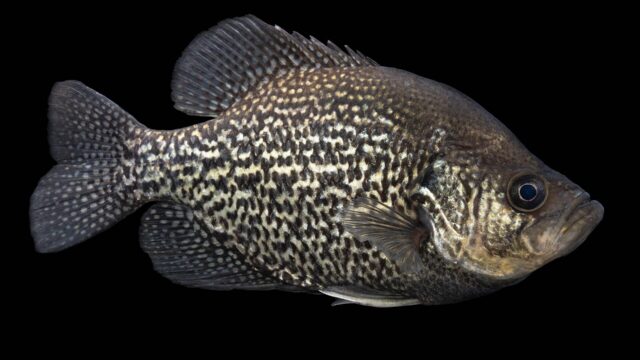
Bluegill relate to vegetation in winter. Healthy green weeds hold insects and other small food, and they give bluegill cover.
- Start on the weed edge, where weeds give way to deeper water.
- Try pockets and inside turns on weed flats.
- Fish at different levels. Bluegill may sit near bottom, in the weeds or just above them; a flasher helps you see the level.
- In shallow, clear water, looking down the hole from inside a dark shelter can let you watch fish take the bait.
For warm-weather patterns, see our bluegill and sunfish fishing guide.
Tiny jigs and plastics
- Jig size: very small jigs, often 1/64 ounce or lighter, for bluegill; slightly larger jigs or small spoons for perch.
- Tungsten vs lead: tungsten is denser than lead, so a tungsten jig of the same weight is smaller, and a jig of the same size sinks faster. That helps with tiny baits in deeper water.
- Tipping: one to three spikes (maggots) or a waxworm, or a small plastic tail. Plastics are faster to rebait when fish are biting.
- Colors: carry a few, such as a dark color, a bright color and something with glow for low light, and switch until fish respond.
How to jig for panfish
- Lower the jig to the fish’s level, using a flasher if you have one.
- Jiggle the rod tip gently in small, quick shakes.
- Pause and hold still. Many bites come on the pause.
- Watch the rod tip or a spring bobber. Bluegill bites can look like a tiny dip or the bobber rising.
- Set with a quick, light lift of the wrist.
- If fish look but don’t bite, go smaller, slower, or change the plastic or color.
Gear for perch and bluegill
- Rod: a light or ultralight ice rod roughly 24 to 30 inches with a sensitive tip or spring bobber.
- Line: typically 2 to 4 lb mono or fluorocarbon.
- Holes: 6-inch holes are enough and fast to drill, which matters when you are drilling many.
- Electronics: a flasher makes it much easier to see whether fish are present and how they react. See flasher vs fish finder.
Staying on the school
Panfish rarely sit still all day. The anglers who catch the most fish tend to move the most.
- Drill several holes at once in a line or grid across a flat or weed edge.
- Fish each hole briefly. If no fish show on electronics or bite, move.
- When the bite stops, don’t wait too long. Check nearby holes first; the school may have just moved a short distance.
- Keep the gear light so moving is easy: one bucket, a sled and a portable shelter or none at all.
Keeping it legal and sustainable
Panfish limits vary by state and lake, and some lakes have lower limits to protect larger fish. Check your state wildlife agency’s current regulations. Keeping what you will eat and releasing some of the biggest fish helps maintain good fishing. Perch and bluegill are also great targets for kids; see taking kids fishing.
Always confirm ice conditions before heading out. The Minnesota DNR recommends at least 4 inches of new, clear ice for walking, and no ice is ever 100% safe.
Bottom line
Fish perch near bottom on mud flats and edges, fish bluegill on weed edges and weedy flats, and use tiny jigs tipped with live larvae or plastics on light line. Drill plenty of holes, fish them quickly and keep moving to stay with the school.
FAQ
What is the best bait for perch through the ice?
Small jigs or spoons tipped with spikes, waxworms or a minnow head work well. Fish them near bottom on soft-bottom flats.
How deep do bluegill go in winter?
It varies by lake. They often hold along weed edges and weedy flats, sometimes in fairly shallow water at first ice and deeper in midwinter.
Why use tungsten jigs for panfish?
Tungsten is denser than lead, so jigs are smaller for their weight and sink faster. That makes tiny baits easier to fish in deeper water.